权力‘围猎’

Search documents
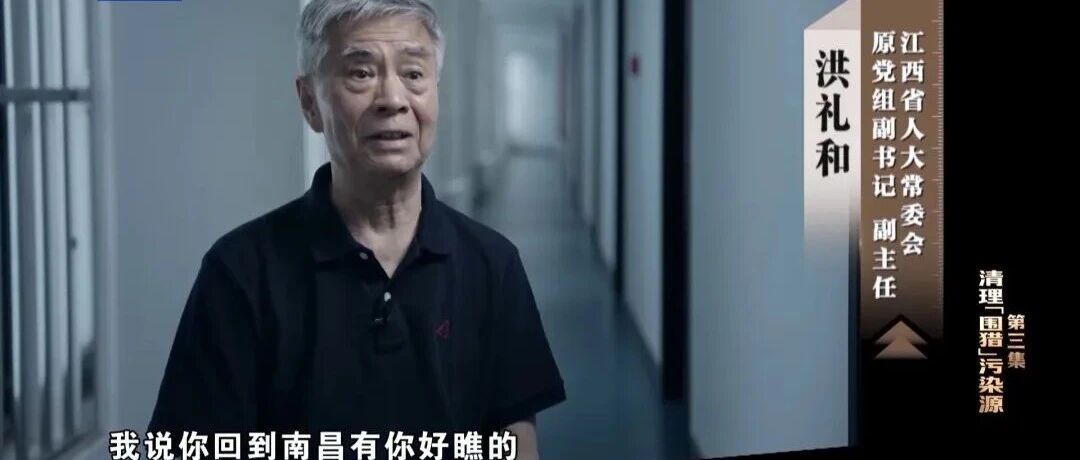
当过副省长,曾在机场与乘客对骂!副部级洪礼和还恶狠狠地威胁女拍照者:回到南昌,有你好瞧的
中国基金报· 2026-01-13 14:17
Core Viewpoint - The article discusses the case of Hong Lihe, a former deputy director of the Jiangxi Provincial People's Congress, highlighting his corruption and abuse of power, which led to his downfall and the broader implications for governance and anti-corruption efforts in China [2][6][38]. Group 1: Case Analysis - Hong Lihe's corruption stemmed from personal greed and a sense of invincibility, leading him to misuse public power for personal gain [3][10]. - He was involved in a significant bribery case with businessman Deng Kaiyuan, who used financial incentives to corrupt officials for his business interests [8][15]. - The investigation revealed that Hong Lihe facilitated illegal business dealings, including allowing a company to bypass regulations to acquire state assets [14][20]. Group 2: Network of Corruption - Hong Lihe created a "small circle" of officials who benefited from mutual support and corruption, undermining the integrity of the political ecosystem in Jiangxi [32][36]. - Key members of this circle, such as Wang Shuiping and Yao Diming, were involved in various corrupt activities, including facilitating land deals and promotions in exchange for favors [30][34]. - The article emphasizes the interconnectedness of these corrupt relationships, illustrating how they perpetuated a cycle of corruption and favoritism [36][37]. Group 3: Consequences and Reforms - Following the exposure of his corruption, Hong Lihe was expelled from the party and faced legal consequences, serving as a warning to others involved in similar activities [37][38]. - The article highlights the Chinese government's commitment to combating corruption through legal reforms and stricter penalties for bribery and related crimes [38].

今晚,蒋超良等人出镜忏悔
财联社· 2026-01-13 02:39
Group 1 - The article emphasizes that "hunting" by bribers is a significant "pollution source" in the political ecosystem, and it is crucial to prevent various interest groups from "hunting" and "kidnapping" leaders to eradicate the conditions that foster corruption [1] - The documentary "Step Forward, Not Back" highlights the efforts of disciplinary inspection and supervision agencies to implement the decisions of the Party Central Committee, focusing on strengthening the punishment of "hunting" phenomena and addressing the root causes of corruption [1] - Corruption is often linked with power, where individuals exploit power for personal gain, corrupting not only leaders but also their families [1] Group 2 - The concept of "hunting" extends beyond individual leaders, affecting their families and creating a network of corruption [3] - Early intervention is crucial in preventing "hunting," as highlighted by officials who stress the importance of addressing issues at their inception [5] - Some leaders engage in forming cliques and, after being "hunted," may assist in "hunting" others, which severely undermines the integrity of the cadre team [6] Group 3 - The article discusses how certain illegal medical institution leaders attempt to "hunt" public officials in medical insurance management, prompting disciplinary agencies to address issues in medical fund management to protect citizens' healthcare funds [12] - A former medical insurance service center director reflects on the importance of avoiding financial misconduct, emphasizing the personal impact of corruption [15] - The significance of investigating these cases is underscored, as they directly relate to the well-being of the public [17]