
腐败治理

Search documents
在创新中狠抓落实丨着力增强腐败治理综合效能
Zhong Yang Ji Wei Guo Jia Jian Wei Wang Zhan· 2026-02-08 00:31
Core Viewpoint - Guizhou Zunyi is intensifying its anti-corruption efforts by integrating punishment, governance, and prevention to enhance the overall effectiveness of corruption management [2][3]. Group 1: Anti-Corruption Measures - Zunyi City maintains a zero-tolerance approach towards corruption, focusing on key areas such as state-owned enterprises, healthcare, and finance, with a particular emphasis on high-ranking officials [2][3]. - In 2025, Zunyi's disciplinary inspection and supervision agencies filed 3,673 cases and detained 235 individuals, including 21 city-level and 57 county-level officials [2]. - Notable cases include the former deputy secretary of the New Pu New District and the former chairman of the municipal political consultative conference, among others [2]. Group 2: Preventive Strategies - The city emphasizes preventive measures by reforming systems and regulating power operations to reduce opportunities for corruption [3]. - In 2025, 81 disciplinary inspection recommendations were issued to promote reform and accountability in response to identified issues [3]. - Following the investigation of a former hospital director, a comprehensive analysis of corruption in the healthcare sector was conducted, leading to the development of a corrective action plan [3]. Group 3: Educational Initiatives - Zunyi's disciplinary inspection and supervision agencies utilize warning education as a key strategy to promote integrity and prevent corruption [4][5]. - The city organizes educational sessions for key personnel in critical sectors, focusing on self-examination and awareness [4]. - A series of educational videos and materials are produced to illustrate the consequences of corruption, targeting both officials and their families [5].
1800多万元利息暗藏多少猫腻?人民日报披露一起银行腐败案
Ren Min Ri Bao· 2026-01-19 00:26
Core Viewpoint - The investigation into former Guangzhou Rural Commercial Bank president Yi Xuefei reveals a sophisticated corruption scheme involving loan approvals and interest collection, leading to over 18 million yuan in illicit gains [5][12][13]. Group 1: Corruption Scheme - Yi Xuefei, who held various positions at Guangzhou Rural Commercial Bank since 2006, engaged in corrupt practices by facilitating loans for businesses in exchange for personal financial benefits [2][8]. - The scheme involved using intermediaries to obscure the flow of funds, with Yi leveraging his connections to approve loans while disguising his actions as legitimate business transactions [3][9]. Group 2: Loan Approval Process - From 2017, Yi facilitated loans totaling 24 million yuan for a client, Zhang Haibo, which were ultimately funneled into Yi's wife's bank account [10][11]. - Yi's manipulation of the loan approval process included pressuring bank staff to expedite approvals under the guise of supporting businesses, while simultaneously soliciting high-interest loans from those same businesses [4][10]. Group 3: Financial Analysis and Findings - Investigators identified three anomalies in the borrowing patterns: businesses opting for high-interest loans despite having access to lower rates, borrowers failing to repay principal amounts while paying excessive interest, and borrowers voluntarily increasing interest rates [12]. - The investigation revealed that Yi collected over 18 million yuan in interest from 2005 onwards, with evidence linking loan approvals to his personal financial dealings [5][12]. Group 4: Regulatory Response - Following the investigation, the Guangzhou Municipal Commission for Discipline Inspection initiated measures to enhance oversight and prevent similar corruption, including the establishment of a monitoring mechanism for unusual financial transactions involving public officials [13][14]. - The case underscores the need for innovative supervisory methods to combat new forms of corruption while reinforcing existing regulatory frameworks [13].
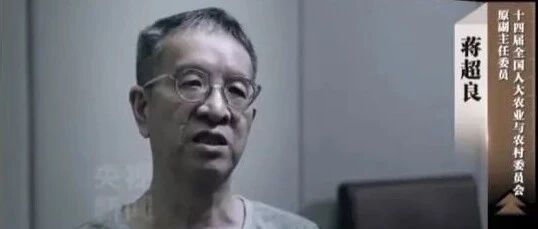
今晚,蒋超良等人出镜忏悔
财联社· 2026-01-13 02:39
Group 1 - The article emphasizes that "hunting" by bribers is a significant "pollution source" in the political ecosystem, and it is crucial to prevent various interest groups from "hunting" and "kidnapping" leaders to eradicate the conditions that foster corruption [1] - The documentary "Step Forward, Not Back" highlights the efforts of disciplinary inspection and supervision agencies to implement the decisions of the Party Central Committee, focusing on strengthening the punishment of "hunting" phenomena and addressing the root causes of corruption [1] - Corruption is often linked with power, where individuals exploit power for personal gain, corrupting not only leaders but also their families [1] Group 2 - The concept of "hunting" extends beyond individual leaders, affecting their families and creating a network of corruption [3] - Early intervention is crucial in preventing "hunting," as highlighted by officials who stress the importance of addressing issues at their inception [5] - Some leaders engage in forming cliques and, after being "hunted," may assist in "hunting" others, which severely undermines the integrity of the cadre team [6] Group 3 - The article discusses how certain illegal medical institution leaders attempt to "hunt" public officials in medical insurance management, prompting disciplinary agencies to address issues in medical fund management to protect citizens' healthcare funds [12] - A former medical insurance service center director reflects on the importance of avoiding financial misconduct, emphasizing the personal impact of corruption [15] - The significance of investigating these cases is underscored, as they directly relate to the well-being of the public [17]

渔船倾覆多是人祸,强化监管势在必行
Nan Fang Du Shi Bao· 2025-12-05 04:50
Core Viewpoint - The frequent safety incidents involving fishing vessels in Liaoning Province since the fishing ban in September have raised significant public concern, prompting a central safety production inspection team to focus on fishing vessel safety [1] Group 1: Safety Incidents and Regulatory Issues - The central inspection team aims to conduct in-depth analyses to identify systemic and institutional regulatory loopholes, shifting the governance model from reactive to proactive prevention [1] - The inspection revealed that some fishing vessels are poorly managed, with instances of vessels entering and exiting ports without proper reporting, highlighting significant safety risks [1] - There is a prevalent issue of vessel owners illegally modifying their boats, such as adding generators and water tanks, which poses major safety hazards [1] Group 2: Corruption and Governance Challenges - The presence of a "personal relationship" and "circle" culture among regulatory personnel and vessel owners has led to a corruption-prone environment, where enforcement actions are influenced by informal agreements rather than regulations [2] - Fragmentation in the regulatory chain and information silos have created opportunities for corruption, with vessel owners evading oversight through illegal means, such as falsifying documents and bribing inspectors [3] - The erosion of enforcement authority and public trust due to visible collusion between enforcement personnel and vessel owners undermines grassroots governance and poses a significant threat to public safety [3] Group 3: Response and Future Actions - The central safety production inspection emphasizes the need for rigorous measures to sever corrupt ties and enhance regulatory authority, with a focus on thorough inspections and public reporting of violations [4] - Liaoning has initiated investigations into 162 individuals, demonstrating a commitment to addressing these issues and using the central inspection as an opportunity to reform the industry and mitigate safety risks [4]
战时现巨贪!乌克兰亿级能源黑钱曝光,泽连斯基昔日伙伴涉案
Sou Hu Cai Jing· 2025-11-26 06:29
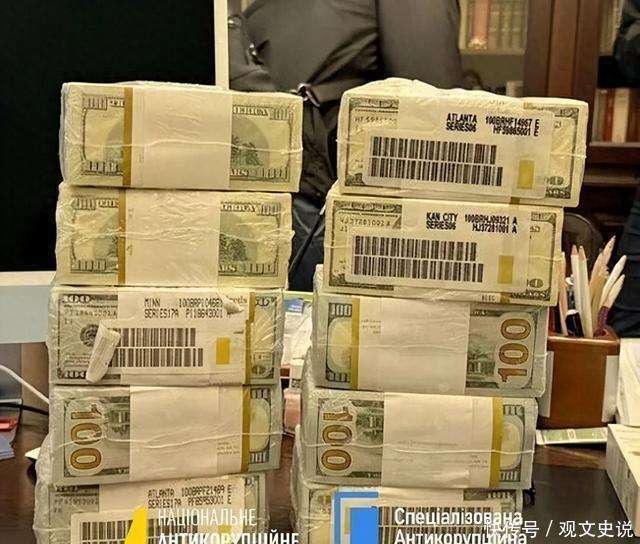
Core Insights - A significant anti-corruption operation was launched by Ukraine's National Anti-Corruption Bureau (Nabu), targeting high-profile individuals in the political and business sectors amid ongoing challenges due to Russian military actions [1][2] Group 1: Anti-Corruption Operation - Nabu conducted searches at 70 locations across Ukraine, including the homes and offices of key officials such as the current Minister of Justice and former Minister of Energy [2] - The operation revealed extensive corruption involving the misappropriation of funds intended for energy infrastructure defense against Russian attacks, with evidence collected over 15 months [2][4] Group 2: Financial Implications - The total amount involved in the corruption case is estimated at $100 million, with large sums of cash found during the searches [6] - The misallocation of funds has raised concerns about the safety of nuclear facilities, as contracts meant for protective measures were diverted [8] Group 3: Political Reactions - President Zelensky supports the anti-corruption efforts, despite the implications for his close associates, reflecting a complex political landscape [10] - Public outrage has surged as citizens learn that funds meant for energy security were misused, exacerbating existing frustrations over power outages [12] Group 4: Broader Context - The corruption issue in Ukraine is longstanding, with high levels of corruption reported in sectors like energy and infrastructure, exacerbated by the ongoing war [17] - The current anti-corruption scandal may impact Western aid, as the U.S. and EU have emphasized the importance of anti-corruption measures in their support for Ukraine [16][20] Group 5: Future Outlook - The outcome of this anti-corruption initiative could either restore public trust and demonstrate a commitment to reform or lead to further political strife if perceived as a power struggle [22]
专家谈八项规定:在世界政党自我建设中具有典范性
Zhong Guo Xin Wen Wang· 2025-09-28 05:13
Core Insights - The implementation of the Central Eight Regulations has significantly transformed social customs in China, exemplified by the shift in the mooncake market from "expensive gift boxes" to "quality and affordable" options [1] - The Eight Regulations serve as a model for self-construction among political parties globally, providing insights into governance and anti-corruption efforts [2] Group 1: Implementation and Impact - The Central Eight Regulations, passed in December 2012, have become a crucial entry point for improving work styles and mobilizing efforts to strengthen party conduct [1] - A survey in 2024 indicated that 94.9% of respondents affirmed the effectiveness of the implementation of the Central Eight Regulations [1] Group 2: Global Perspective and Lessons - Foreign political leaders and scholars are increasingly studying the Central Eight Regulations for insights into governance and party self-construction [2] - The regulations reflect a governance model that integrates party conduct with state governance, creating a chain of influence from party conduct to social customs [2] Group 3: Anti-Corruption Efforts - The Central Eight Regulations have played a vital role in preventing and punishing corruption, demonstrating the importance of addressing both style and corruption simultaneously [3] - The experience gained from the implementation of these regulations offers valuable references for other countries facing corruption challenges [3]
中央纪委国家监委驻国家发改委纪检监察组:今年上半年共查办留置案件7起、涉及10人,形成有力震慑
Xin Jing Bao· 2025-07-27 22:58
Group 1 - The article emphasizes the importance of political supervision in key macro-management departments, including the National Development and Reform Commission, National Bureau of Statistics, National Food and Strategic Reserves Administration, National Energy Administration, and National Data Bureau, which are tasked with significant national responsibilities [1] - The supervisory group views case investigations as the most effective form of oversight, allowing for a comprehensive understanding of the political ecology, institutional mechanisms, and the situation of party members and officials in various regions and units [1] - Since the 20th National Congress of the Communist Party, the supervisory group has initiated 76 cases, detained 26 individuals, and processed 329 party members using the "four forms" of handling [1] Group 2 - The focus is on leveraging case investigations to identify systemic issues, regulatory gaps, and institutional shortcomings, promoting targeted clean-up and rectification efforts across different industries and sectors [2] - Recent efforts have led to significant progress in standardizing the management of subordinate units, regulating bidding processes, reconstructing business environment evaluation mechanisms, and decoupling industry associations [2]
墨西哥总统辛鲍姆:如果在墨西哥国家石油公司发现腐败行为,将采取行动。
news flash· 2025-07-11 14:59
Core Viewpoint - The President of Mexico, Andrés Manuel López Obrador, has stated that actions will be taken if corruption is discovered within the state-owned oil company, Pemex [1] Group 1 - The Mexican government is committed to addressing corruption within Pemex, emphasizing accountability and transparency [1] - President López Obrador's administration is focused on reforming the oil sector to enhance operational integrity [1] - The statement reflects a broader strategy to combat corruption in state-owned enterprises [1]