栖息地修复

Search documents
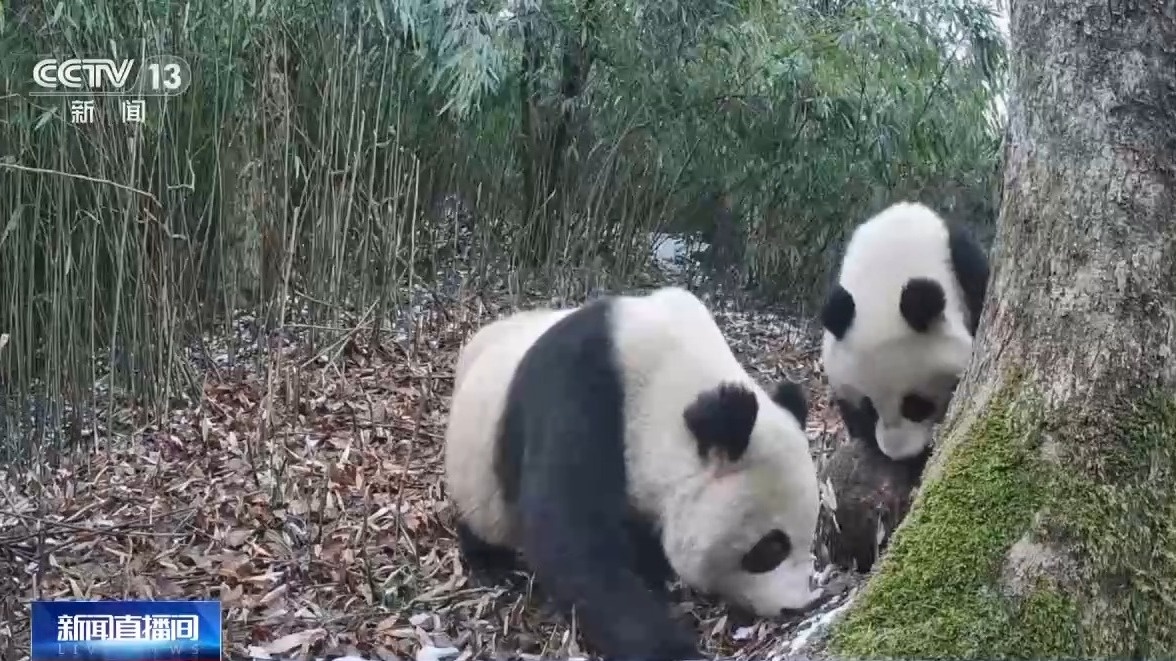
野生大熊猫为啥爱“遛弯”?答案就在长江上游这片山林里
Yang Shi Xin Wen Ke Hu Duan· 2026-01-12 02:13
Core Insights - The Giant Panda National Park, spanning Sichuan, Shaanxi, and Gansu provinces, has achieved a restorative growth in the panda population through ecological corridor construction, vegetation restoration, and scientific monitoring [1][5] - Sichuan province is exploring a balanced development path that integrates ecological protection with improvements in local livelihoods and the rise of specialty industries [1] Group 1 - The Giant Panda National Park covers an area of approximately 22,000 square kilometers, with Sichuan accounting for 88% of this area, housing around 1,227 wild giant pandas [5] - Over the past five years, 342,100 acres of habitat restoration and ecological corridor construction have been implemented to enhance habitat connectivity [5] - The park has recorded a rich biodiversity, including 870 species of vertebrates and 7,127 species of higher plants [7] Group 2 - Since 2019, there have been notable increases in panda activity frequency, with successful breeding observed, indicating positive ecological outcomes [7] - The local community in Longcangou Town, near the park's southern entrance, has seen a surge in tourism, transforming villagers from "ecological guardians" to "ecological beneficiaries" [7]

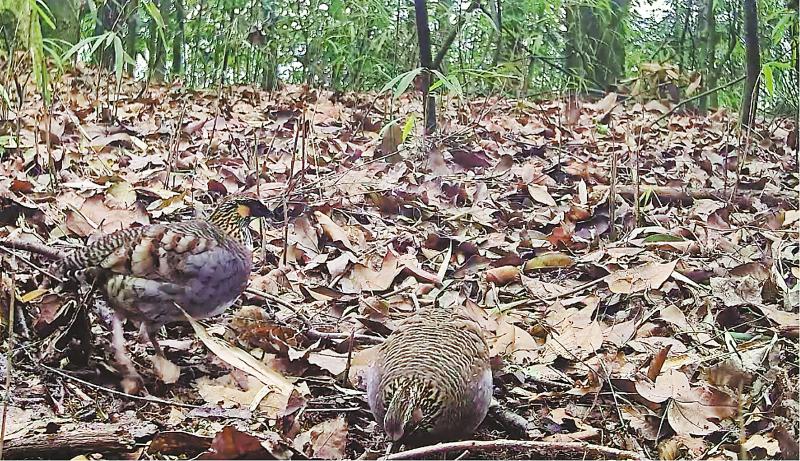
在全国首个四川山鹧鸪栖息地修复工程所在地——“鸟中大熊猫”有量身定制的家园
Si Chuan Ri Bao· 2025-08-13 00:24
Group 1 - The core focus is on the conservation and habitat restoration efforts for the Sichuan Hill Partridge, a critically endangered species endemic to southwestern China, particularly in Sichuan [6][7] - The Sichuan Hill Partridge population is currently estimated at around 2,200 individuals, with habitat area exceeding 6,000 square kilometers, showing significant growth compared to previous surveys [7] - The restoration project involves planting native species such as August bamboo and other local tree species over an area of 600 acres, specifically designed to enhance the habitat for the Sichuan Hill Partridge [5][8] Group 2 - The project aims to address the bottleneck in the species' distribution, as the Sichuan Hill Partridge primarily inhabits specific mountain forests between 800 and 2,500 meters in elevation, where August bamboo is crucial for its breeding [6][8] - The restoration efforts include selective logging of non-native species and planting of local flora to improve habitat quality, thereby providing food and shelter for the partridge [8][9] - Future plans include expanding the habitat restoration to adjacent areas, potentially increasing suitable habitat to 400 square kilometers and facilitating genetic exchange among partridge populations [9]