桐城派

Search documents
“160多处错误”,文学“高地”情何以堪?
Xin Lang Cai Jing· 2026-02-26 16:37
Core Viewpoint - The exhibition at the former residence of Liu Daqi, a renowned Qing Dynasty writer, has been criticized for containing over 160 errors, raising questions about the professionalism of the exhibition team [1][2] Group 1: Exhibition Errors - The exhibition features 36 panels and over 15,000 words of information, with significant typographical and punctuation errors identified by local netizens [1] - Errors include basic literary knowledge mistakes, such as miswriting terms like "国士" (national hero) and "授徒" (to teach) [1][2] Group 2: Cultural Significance - Liu Daqi is recognized as one of the "Three Ancestors of Tongcheng," playing a crucial role in the development of the Tongcheng school of literature, indicating the cultural importance of the site [1] - The residence was designated as a key cultural heritage site in 2021, emphasizing its significance as a cultural and literary landmark [1] Group 3: Implications for Exhibition Practices - The errors highlight a potential lack of rigorous historical and cultural knowledge in the curation process, suggesting that the exhibition team may have failed in their responsibilities [2] - The trend of public exhibitions being corrected by netizens points to issues with outsourced production and inadequate review processes [2] - Cultural heritage sites must maintain high standards of accuracy to preserve their artistic and cultural value, as errors can mislead the public [2]
安徽一名人故居被指出现160多处错误
Xin Lang Cai Jing· 2026-02-25 18:57
Core Viewpoint - The article discusses the controversy surrounding the exhibition information at the former residence of Liu Daqi, a notable Qing Dynasty literary figure, highlighting numerous errors in the displayed text and the ongoing investigation by local authorities [1][2]. Group 1: Errors in Exhibition Information - A local researcher identified over 160 errors in the exhibition information, including misspellings, incorrect punctuation, and literary knowledge issues [1]. - Specific examples of errors include misinterpretations of calligraphy, incorrect names, and confusion over literary terms [1]. - The exhibition information is criticized for lacking rigorous review, given the historical significance of Liu Daqi's residence [1]. Group 2: Response from Local Authorities - The Cultural and Tourism Bureau of Cuongyang County is currently addressing the issue, with leadership actively involved in the investigation [2]. - Some errors are claimed to be transcriptions from original family records, which complicates the correction process [2]. - The bureau is in the process of verifying the claims made by the local researcher [2].
一脉文光照岭西
Xin Lang Cai Jing· 2026-01-24 07:17
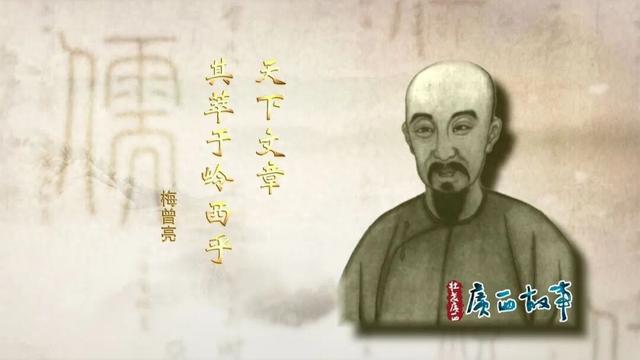
Core Viewpoint - The article discusses the emergence and significance of two prominent literary schools in the late Qing Dynasty, namely the "Lingxi Five Masters" and the "Linggui Ci School," both originating from Guangxi, highlighting their contributions to Chinese literature [1][27]. Group 1: Lingxi Five Masters - The "Lingxi Five Masters" includes scholars from Guangxi who gained recognition for their contributions to classical prose, particularly in the context of the Qing Dynasty's literary landscape [3][4]. - The leading figure, Lü Huang, introduced the principles of the Tongcheng school of prose to Guangxi and became a mentor to the other four masters [5][7]. - Lü Huang's efforts in teaching and promoting classical prose significantly improved the literary environment in Guangxi, leading to the rise of the "Lingxi Five Masters" [7][8]. Group 2: Contributions of Individual Masters - Zhu Qi, known for his outspoken nature, advocated for reforms and criticized the prevailing academic trends of his time, establishing himself as a notable patriotic writer [8][9]. - Peng Yuyou, despite facing challenges in his official career, demonstrated his commitment to national issues through his writings, including proposals for flood control [8][11]. - Long Qirui, who became a top scholar at a young age, contributed to educational literature, aiding students in understanding classical texts [11][12]. - Wang Zheng, the last of the "Lingxi Five Masters," continued to teach and promote the Tongcheng school's theories after his official career [14][18]. Group 3: Linggui Ci School - The Linggui Ci School emerged as a significant literary force in the late Qing period, with key figures like Wang Pengyun and Kuang Zhouyi leading the movement [18][21]. - The collaboration between Wang Pengyun and Kuang Zhouyi in the capital fostered a vibrant literary community, culminating in the formation of the "Four Great Ci Poets" of the late Qing [21][27]. - The publication of "Gengzi Qiu Ci" during the Boxer Rebellion reflected the emotional turmoil of the time and established the theoretical foundation of the Linggui Ci School, emphasizing depth, simplicity, and grandeur in poetry [25][27].

【文化中国行】问典“六尺巷” 博览“桐城派”
Xin Lang Cai Jing· 2026-01-14 20:45
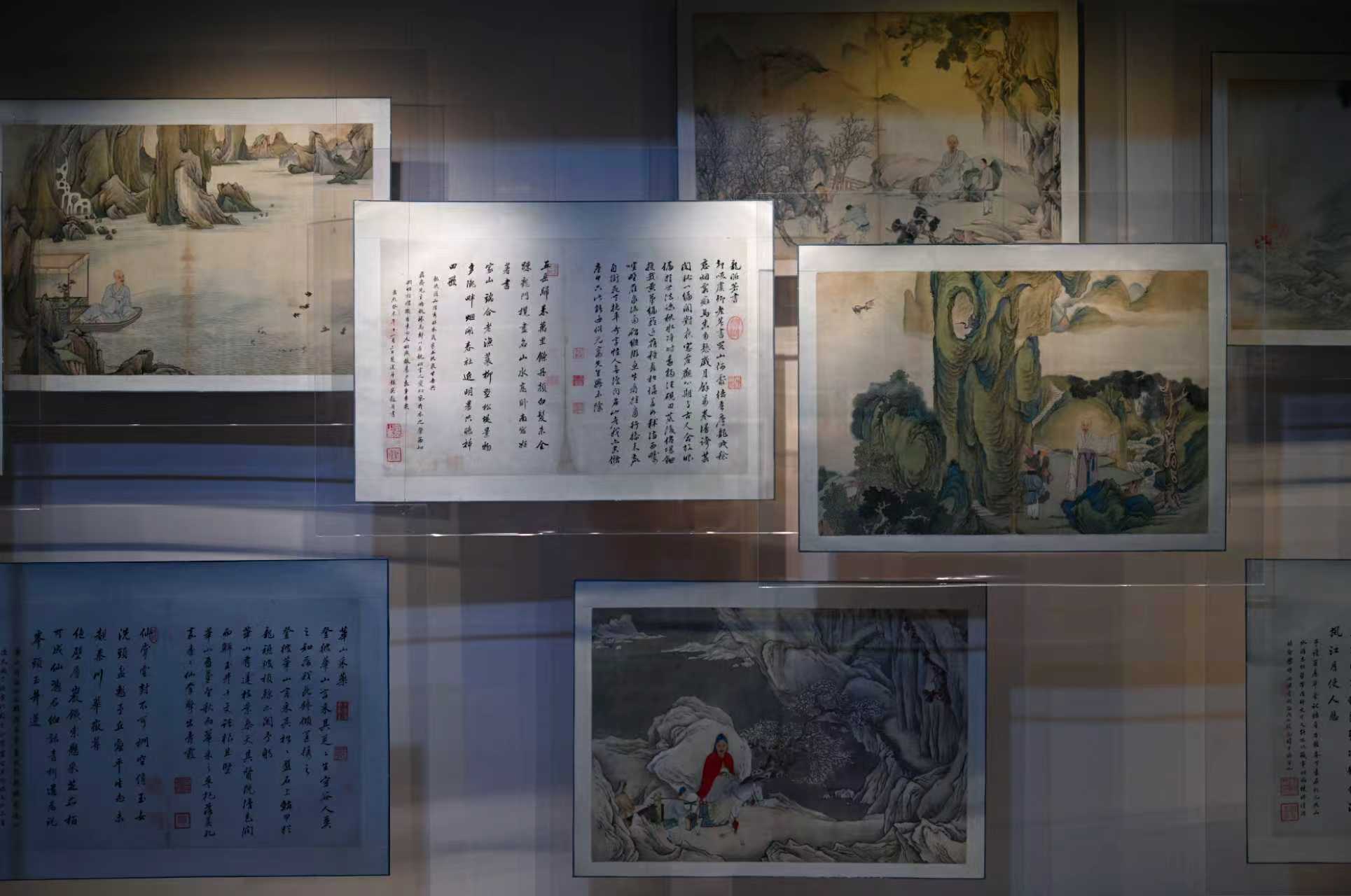
Core Viewpoint - The "Cultural Heritage - Tongcheng School Thematic Cultural Relics Exhibition" will open at the Anhui Museum in the autumn of 2025, showcasing the significance of the Tongcheng School in promoting traditional culture and literature in China [6][8]. Group 1: Exhibition Overview - The exhibition will feature over 220 valuable cultural relics related to key figures of the Tongcheng School, including manuscripts, letters, paintings, and literary works [7][8]. - This is the first large-scale display of Tongcheng School cultural relics in Anhui Province, aiming to deepen public understanding of this literary tradition [7][12]. Group 2: Historical Significance - The Tongcheng School, which emerged in the early Qing Dynasty and flourished during the Qianlong and Jiaqing periods, is recognized as the last major classical literary school in Chinese history, influencing literature for over 200 years [7][12]. - Key figures such as Fang Bao, Liu Daqun, and Yao Nai are revered as the "Three Ancestors" of the Tongcheng School, with their teachings impacting over 1,000 writers across more than ten provinces [7][12]. Group 3: Cultural Impact - The exhibition aims to highlight the Tongcheng School's contributions to various fields, including literature, history, and art, showcasing its comprehensive academic and cultural achievements [12][13]. - The values embodied by the Tongcheng School, such as patriotism, self-improvement, and cultural inclusivity, remain relevant today and are emphasized throughout the exhibition [13]. Group 4: Audience Engagement - The exhibition has attracted significant interest, with 55,000 visitors and 3.1 million online viewers, indicating strong appeal among younger audiences [14]. - Over 31% of attendees reported gaining a systematic understanding of the Tongcheng School for the first time through this exhibition, highlighting its educational value [14].
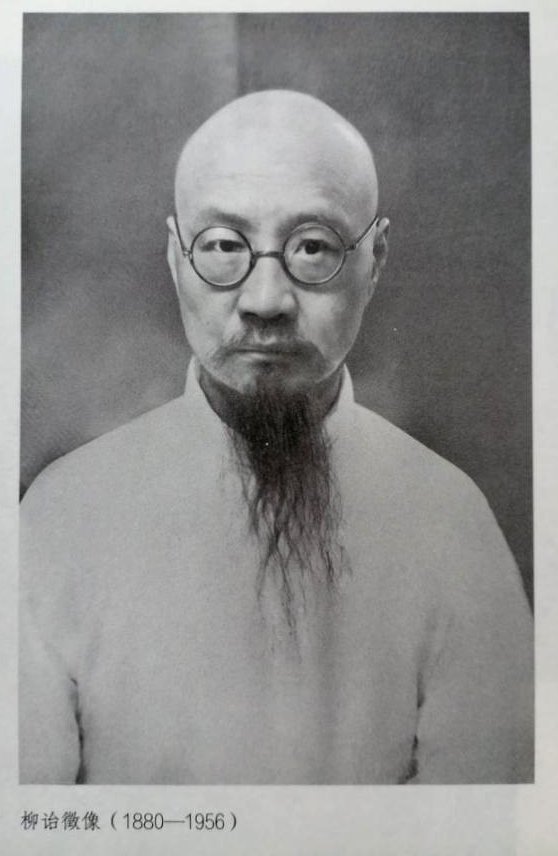
听炮检书:柳诒徵1927年的选择
Xin Lang Cai Jing· 2025-05-05 06:10
Group 1 - The core perspective of the article revolves around the life choices of Liu Yizheng in 1927, emphasizing his preference for reading and scholarly pursuits amidst a tumultuous political landscape [2][12][18] - Liu Yizheng's engagement with the Tongcheng School of literature during the spring of 1927 reflects his deep interest in understanding the relationship between literature, morality, and art, as he meticulously studied works by prominent figures like Yao Nai and Zhang Huiyan [3][4][7] - The political climate of 1927, marked by significant upheaval and violence, influenced Liu Yizheng's decision to distance himself from university teaching and instead focus on library work, which provided a quieter environment for his intellectual endeavors [9][10][12] Group 2 - Liu Yizheng's interactions with political figures, such as Tan Yankai, highlight the disconnect between intellectuals and politicians, as Liu's earnestness often went unrecognized in the political sphere [14][16][18] - The article contrasts Liu Yizheng's scholarly aspirations with the realities of the educational system at the time, illustrating his disillusionment with the state of universities and the influence of warlords on education [10][11][12] - Liu Yizheng's choice to work in a library rather than pursue a more conventional academic career is portrayed as a wise decision, allowing him to maintain his scholarly integrity while avoiding the chaos of the political environment [12][18]