《汉书》

Search documents
书读多了就会明白:一个人的好运从哪里来
洞见· 2026-03-25 12:37
Core Viewpoint - Reading books can significantly enhance one's understanding, skills, and resilience, ultimately leading to personal and professional growth [5][16][41]. Group 1: Knowledge Acquisition - Reading broadens perspectives and helps individuals break free from their limitations, allowing them to see a wider world [6][13]. - Historical knowledge can provide insights into human behavior and investment strategies, as demonstrated by investor Feng Lun's experiences [7][10]. - A diverse cultural background, including knowledge from various fields, can be beneficial in business management and decision-making [9][10]. Group 2: Skill Development - Self-education through reading can lead to mastery in specific skills, making individuals irreplaceable in their fields [30]. - Practical reading can enhance general skills such as communication, logical thinking, and problem-solving, which are valuable in any career [30][22]. - The story of writer Mai Jia illustrates how dedicated reading can transform one's abilities and lead to professional success [22][28]. Group 3: Emotional Resilience - Literature can provide comfort and understanding during difficult times, helping individuals realize that their struggles are not unique [38][40]. - Reading can foster a sense of perspective, allowing individuals to navigate challenges with a clearer mindset [41][42]. - Books can serve as a source of inspiration and strength, guiding individuals through their darkest moments [39][40]. Group 4: Humility and Perspective - Extensive reading cultivates humility and awareness of one's limitations, which is essential for personal growth [44][46]. - Engaging with diverse viewpoints through literature can help individuals overcome biases and develop a more inclusive mindset [47][49]. - A humble attitude, fostered by reading, can lead to better relationships and a more fulfilling life [52][53].


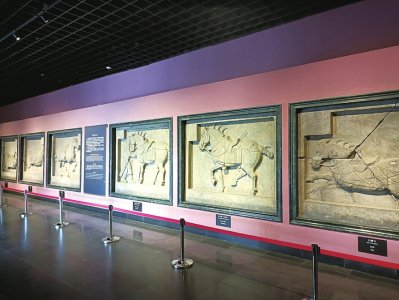
传说中那些名马有多飒?
Xin Lang Cai Jing· 2026-02-13 18:32
Core Perspective - The articles explore the significance of horses in Chinese civilization, highlighting their roles as symbols of power, nobility, and auspiciousness throughout history. They detail various legendary horses and their associations with emperors and historical figures, emphasizing the cultural and strategic importance of these steeds in ancient China [2][6][8]. Group 1: Mythical and Historical Horses - The articles describe mythical horses such as the "腾黄" (Teng Huang) and "飞兔" (Fei Tu), which are believed to possess extraordinary abilities and longevity, symbolizing auspiciousness in ancient texts [2][3]. - Historical accounts mention the "穆王八骏" (Eight Steeds of King Mu), each with unique attributes, showcasing the legendary status of these horses in the context of imperial power [5][6]. - The "昭陵六骏" (Six Steeds of Zhao Ling) are noted for their association with Emperor Taizong of the Tang Dynasty, reflecting the military prowess and cultural significance of these horses [7][8]. Group 2: Horses as Strategic Assets - Horses are identified as crucial strategic resources in ancient warfare, with notable steeds like the "七骏" (Seven Steeds) of Qin Shi Huang symbolizing the might of the Qin Dynasty [6][7]. - The articles highlight the role of horses in the expansion of empires, with specific breeds like the "汗血马" (Sweat Blood Horse) being introduced to enhance military capabilities and facilitate cultural exchanges [7][8]. - The significance of horses extends to their representation in art and literature, with various dynasties commissioning artworks to commemorate these legendary animals, further embedding them in the cultural fabric of Chinese history [9][10].
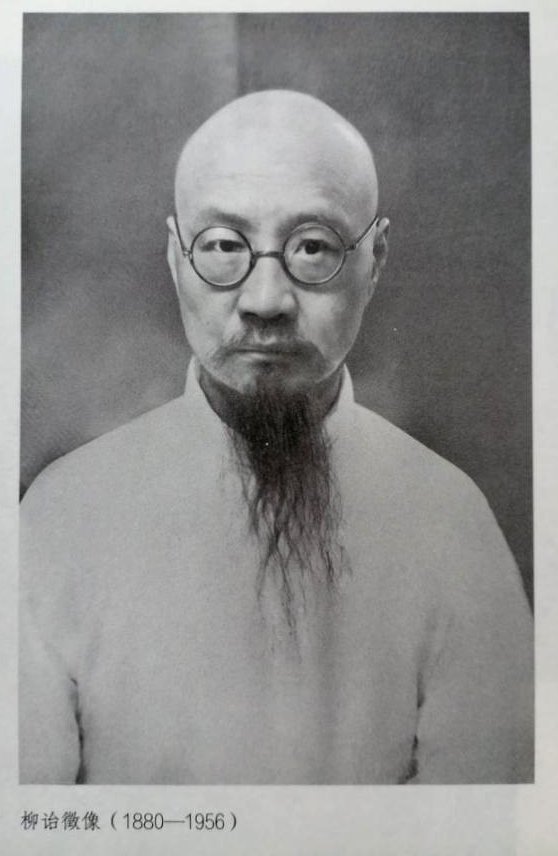
听炮检书:柳诒徵1927年的选择
Xin Lang Cai Jing· 2025-05-05 06:10
Group 1 - The core perspective of the article revolves around the life choices of Liu Yizheng in 1927, emphasizing his preference for reading and scholarly pursuits amidst a tumultuous political landscape [2][12][18] - Liu Yizheng's engagement with the Tongcheng School of literature during the spring of 1927 reflects his deep interest in understanding the relationship between literature, morality, and art, as he meticulously studied works by prominent figures like Yao Nai and Zhang Huiyan [3][4][7] - The political climate of 1927, marked by significant upheaval and violence, influenced Liu Yizheng's decision to distance himself from university teaching and instead focus on library work, which provided a quieter environment for his intellectual endeavors [9][10][12] Group 2 - Liu Yizheng's interactions with political figures, such as Tan Yankai, highlight the disconnect between intellectuals and politicians, as Liu's earnestness often went unrecognized in the political sphere [14][16][18] - The article contrasts Liu Yizheng's scholarly aspirations with the realities of the educational system at the time, illustrating his disillusionment with the state of universities and the influence of warlords on education [10][11][12] - Liu Yizheng's choice to work in a library rather than pursue a more conventional academic career is portrayed as a wise decision, allowing him to maintain his scholarly integrity while avoiding the chaos of the political environment [12][18]