文物保护

Search documents
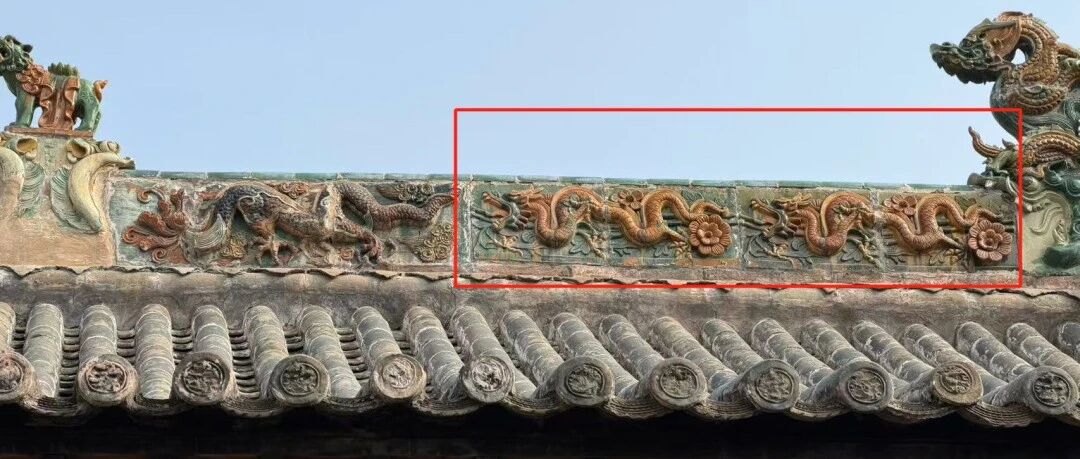
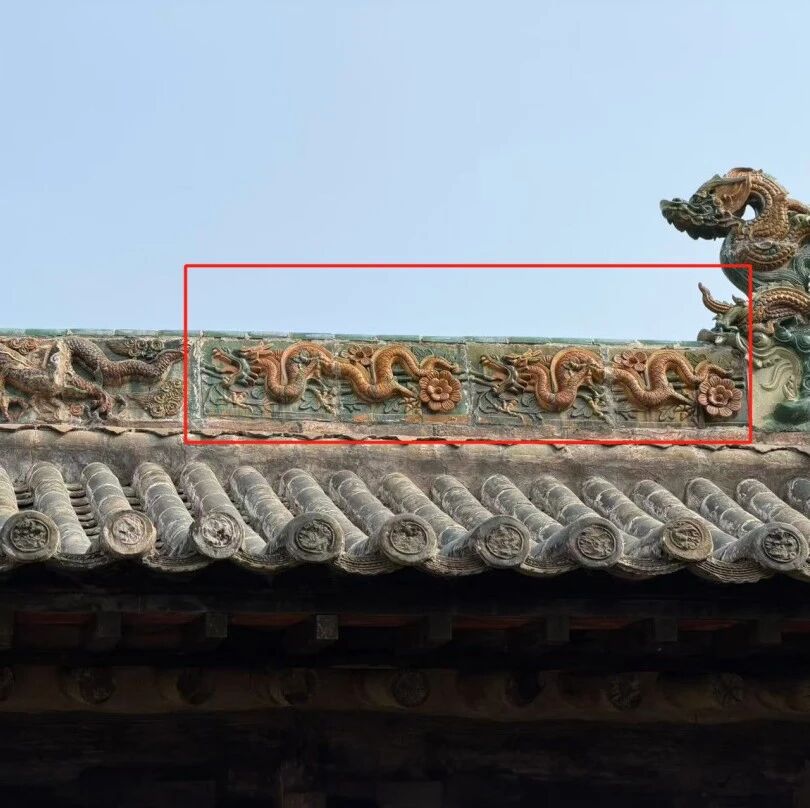
在闲鱼上卖被盗文物构件?官方回应
第一财经· 2026-03-14 06:56
Core Viewpoint - Recent reports indicate that merchants are selling suspected cultural relic components from national protected units on second-hand online trading platforms, raising widespread concern [1][4]. Group 1: Incident Overview - The Cultural Relics Protection Center of Changzhi City issued a situation report confirming that the Chiwun of Dongtaishan Temple (provincial protection) was stolen in 1998, and the eastern ridge tube of the main hall of the Xiayu Shrine (national protection) was stolen in 2013 [1]. - The suspect selling the cultural relics has been criminally detained by the police, and investigations and relic identification work are ongoing [1]. Group 2: Specifics of the Cultural Relics - A store on the Xianyu platform was found selling a set of "Sancai glazed roof ridge dragon pattern components from the Yuan and Ming dynasties" for 36,666 yuan, which is suspected to be the eastern ridge glazed tile of the nationally protected Xiayu Shrine [4]. - The Xiayu Shrine, located in Changzhi City, was listed as a national key cultural relic protection unit in 2006, with its main hall dating back to the Yuan Dynasty and other structures from the Qing Dynasty [9]. Group 3: Current Status and Implications - The deputy director of the Pingxun County Cultural and Tourism Bureau stated that the eastern ridge glazed tiles of the Xiayu Shrine, which serve a water-blocking function, cannot be left vacant after being stolen, and the current eastern section of the ridge tiles is indeed replicas [8].

在闲鱼上卖被盗文物构件?官方回应!
券商中国· 2026-03-14 01:56
Core Viewpoint - The article discusses the recent sale of suspected cultural relics on a second-hand online trading platform, which has raised significant public concern regarding the protection of national heritage [1]. Group 1: Incident Overview - A report from the Shanxi Changzhi Cultural Relics Protection Center confirmed that two cultural relics, a dragon ornament from the East Tai Mountain Temple and a ridge tile from the Summer Yu Shrine, were stolen in 1998 and 2013 respectively [1]. - The suspect selling the relics has been criminally detained by the police, and investigations along with relic identification are ongoing [1]. Group 2: Details of the Cultural Relics - The Summer Yu Shrine, a national key cultural relic protection unit since 2006, features a main hall from the Yuan Dynasty, while other structures are from the Qing Dynasty [6]. - The East Tai Mountain Temple, established in an unspecified year, has its main structure dating back to the Ming Dynasty and was listed as a provincial cultural relic protection unit in 2014 [6].
国保文物被盗卖,山西长治通报
证券时报· 2026-03-14 00:43
Core Viewpoint - The article reports on the sale of suspected cultural relic components from national protected units on a platform, leading to the arrest of a suspect by the police [1][3]. Group 1: Incident Overview - On March 5, 2026, it was reported that a merchant was selling suspected cultural relic components on the Xianyu platform [3]. - The Longzhi City Cultural Relics Protection Center took the matter seriously and initiated an investigation [3]. - The investigation revealed that the Chiweng from the Dongtaishan Temple (provincial protection) was stolen in 1998, and the eastern ridge tube from the main hall of the Xiayu Shrine (national protection) was stolen in 2013 [3]. Group 2: Legal Actions - The suspect involved in the sale of the cultural relics has been criminally detained by the police [3]. - Ongoing work includes case investigation and cultural relic identification and comparison [3].

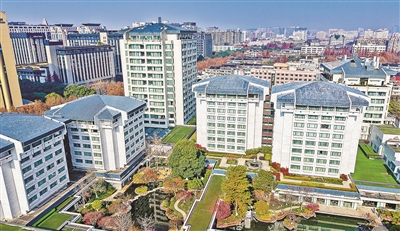
西湖区黄龙饭店、三墩碾米厂纳入文物保护
Hang Zhou Ri Bao· 2026-02-28 02:05
Core Insights - The article emphasizes the importance of cultural heritage preservation in Hangzhou, highlighting significant progress in the city's efforts to protect and utilize historical artifacts and sites [1]. Group 1: Cultural Heritage Preservation - Hangzhou has prioritized cultural heritage protection, with a goal to complete the fourth national cultural relics census by 2025, achieving a 100% on-site verification rate for "three censuses" [1]. - The inclusion of the San Dun Grain Depot Rice Mill and Huanglong Hotel in the "new discoveries" of cultural relics registration marks a new phase in systematic protection and sustainable transmission of Hangzhou's cultural heritage [1]. Group 2: Historical Significance of Sites - The San Dun Grain Depot Rice Mill, located in the Wuli Tang community, covers an area of approximately 4,961.5 square meters and features buildings primarily constructed between the 1960s and 1980s, with origins tracing back to the late Qing Dynasty [2]. - The Huanglong Hotel, established in 1984 and expanded in 2007, occupies about 21,532 square meters and has become a symbol of Hangzhou's urban development and openness, hosting significant international events like the G20 Hangzhou Summit [3]. Group 3: Architectural Features - The San Dun Grain Depot showcases a mix of traditional grain storage techniques and modern industrial architecture, reflecting the evolution from traditional to contemporary grain processing [2]. - The Huanglong Hotel features a combination of steel and concrete structures, creating spacious, column-free areas, and includes 598 guest rooms designed for high-end service [3]. Group 4: Impact on Urban Identity - The registration of these two sites enhances Hangzhou's cultural landscape and provides a vibrant medium for the transmission of the city's historical essence, reinforcing its cultural depth [3].
聆听文物故事 守护文化根脉
Xin Lang Cai Jing· 2026-02-26 11:30
Core Viewpoint - The collaboration between Turpan Museum and the Green Garden Community aims to enhance cultural heritage awareness among youth and promote the protection of historical artifacts through engaging educational activities [3][5]. Group 1: Event Overview - On February 25, Turpan Museum and the Green Garden Community organized a lecture titled "Protect First, Strengthen Management, Let Cultural Relics Come Alive" for local middle and primary school students [3]. - The event was part of a broader initiative to deepen grassroots organizational construction and instill a sense of national identity among the youth [3]. Group 2: Educational Approach - Museum guides utilized engaging and accessible language, along with visual aids and historical storytelling, to convey the historical value and cultural significance of Turpan's artifacts [5]. - Interactive segments such as Q&A and hands-on activities encouraged students to actively participate and discuss topics related to artifact protection and respectful visitation [5]. Group 3: Community Impact - The initiative aims to enrich the spiritual and cultural life of minors in the community while fostering a sense of responsibility for cultural heritage protection [5]. - The community plans to continue collaborating with various resources to conduct diverse cultural transmission activities, emphasizing the importance of preserving and passing down traditional Chinese culture [5].

安徽一名人故居被指出现160多处错误
Xin Lang Cai Jing· 2026-02-25 18:57
Core Viewpoint - The article discusses the controversy surrounding the exhibition information at the former residence of Liu Daqi, a notable Qing Dynasty literary figure, highlighting numerous errors in the displayed text and the ongoing investigation by local authorities [1][2]. Group 1: Errors in Exhibition Information - A local researcher identified over 160 errors in the exhibition information, including misspellings, incorrect punctuation, and literary knowledge issues [1]. - Specific examples of errors include misinterpretations of calligraphy, incorrect names, and confusion over literary terms [1]. - The exhibition information is criticized for lacking rigorous review, given the historical significance of Liu Daqi's residence [1]. Group 2: Response from Local Authorities - The Cultural and Tourism Bureau of Cuongyang County is currently addressing the issue, with leadership actively involved in the investigation [2]. - Some errors are claimed to be transcriptions from original family records, which complicates the correction process [2]. - The bureau is in the process of verifying the claims made by the local researcher [2].
“双科进士”故居再成网红打卡地
Xin Lang Cai Jing· 2026-02-24 23:26
Core Viewpoint - The construction of a signal tower and its auxiliary facilities by China Tower Corporation in the vicinity of the Qin Family Residence in Gushi County has been deemed illegal, leading to actions for its removal to protect the cultural heritage site [1][2][3] Group 1: Legal and Regulatory Actions - The signal tower, located in the northeast corner of the Qin Family Residence, occupies approximately 123 square meters and poses safety risks while damaging the historical appearance of the site [2] - The local cultural and tourism bureau is responsible for supervising the protection of cultural relics and has been urged to take action against the illegal construction [2] - In June 2025, the Gushi County Procuratorate issued a recommendation to the cultural bureau to address the violations and enhance daily management responsibilities [2] Group 2: Resolution and Impact - By August 2025, the cultural bureau acknowledged the signal tower as an illegal structure and issued a demolition notice, but the relocation process was complicated due to its impact on public communication needs [3] - A compromise was reached to construct a new signal tower first, followed by the removal of the old one, allowing for minimal disruption to the cultural site while addressing community needs [3] - The new signal tower was completed by early November 2025, restoring the Qin Family Residence's historical appearance and attracting numerous visitors [3]
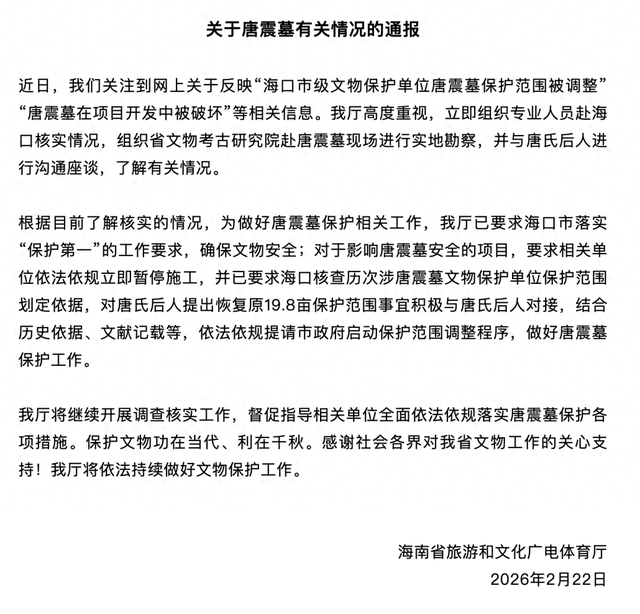
海南深夜发布情况通报
Xin Jing Bao· 2026-02-23 23:13
Core Viewpoint - The Hainan Provincial Department of Tourism, Culture, Radio, Television, and Sports has taken immediate action to address concerns regarding the protection of the Tang Zhen Tomb, ensuring that measures are in place to safeguard this cultural heritage site [1][2]. Group 1: Protection Measures - The department has organized professional personnel to verify the situation regarding the Tang Zhen Tomb and has conducted on-site inspections with the provincial archaeological research institute [1]. - The department has mandated that Haikou City adhere to the principle of "protection first" to ensure the safety of the cultural relics [1]. - Construction projects that may impact the safety of the Tang Zhen Tomb have been ordered to be suspended by relevant units [1]. Group 2: Historical Context - The Tang Zhen Tomb is a core part of the ancient tomb group of the Southern Song Dynasty, which was designated as a cultural heritage site by the Qiongshan County government in 1993 and later became a municipal-level protected site in Haikou [2]. - Recent online reports have raised concerns about potential adjustments to the protection range of the Tang Zhen Tomb and alleged damage to the tomb itself [2]. Group 3: Ongoing Efforts - The department will continue to investigate and verify the situation, guiding relevant units to implement all necessary protective measures in accordance with the law [1]. - The department has expressed gratitude for the support from the community regarding the preservation of cultural relics and is committed to ongoing legal protection efforts [1].
省旅文厅发布通报:依法依规提请市政府启动保护范围调整程序
Xin Lang Cai Jing· 2026-02-23 16:32
Core Viewpoint - The article discusses the adjustments to the protection range of the Tang Zhen Tomb Group in Haikou, which has raised public concern regarding the potential impact on the safety of this cultural heritage site [1][2]. Group 1: Protection Measures - The Provincial Tourism and Culture Sports Department has mandated the immediate suspension of construction projects that may affect the safety of the Tang Zhen Tomb [1]. - The department has initiated a procedure to adjust the protection range of the tomb, responding to concerns about its safety and preservation [1]. - The department has emphasized the principle of "protection first" to ensure the safety of the cultural relics [1]. Group 2: Investigation and Communication - The department has organized professional personnel to verify the situation on-site and has conducted discussions with the descendants of the Tang family to gather information [1]. - Ongoing investigations will be conducted to ensure that all protective measures for the Tang Zhen Tomb are implemented in accordance with legal regulations [2]. - The department has expressed gratitude for the support from the community regarding the preservation of cultural heritage [2].
海南省旅文厅发布情况通报
Xin Lang Cai Jing· 2026-02-23 15:31
Core Viewpoint - The Hainan Provincial Department of Tourism, Culture, Radio, Television, and Sports is taking measures to address concerns regarding the protection of the Tang Zhen Tomb in Haikou, following reports of its protection area being reduced and potential damage due to nearby construction activities [1][3]. Group 1: Government Response - The Hainan Provincial Department has organized professionals to verify the situation and conduct on-site inspections of the Tang Zhen Tomb [1]. - The department has mandated that Haikou City implement a "protection first" policy to ensure the safety of the cultural relics [1]. - Construction projects that may impact the safety of the Tang Zhen Tomb have been ordered to halt immediately [1]. Group 2: Historical Context - Tang Zhen was a prominent official during the Southern Song Dynasty and is recognized as the ancestor of the Tang family in Hainan [8]. - The Tang Zhen Tomb is part of an ancient tomb group that was designated as a cultural heritage site in 1993 [8]. Group 3: Public Concerns and Clarifications - A video circulated online claimed that the protection area of the Tang Zhen Tomb had been significantly reduced and that construction was occurring nearby, which sparked public debate [3]. - The Haikou Municipal Bureau of Cultural Relics clarified that images circulated as "Tang Zhen's old tomb" were actually of the Hai Rui Tomb, and that the protection area had been scientifically redefined [5].