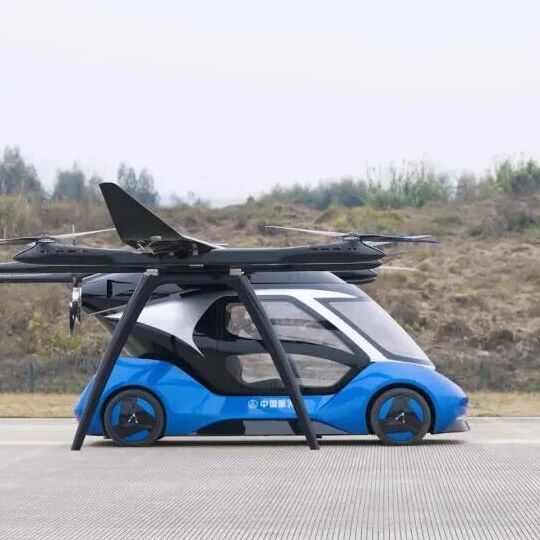
模块化组合

Search documents
汽车飞机二合一!全国首款航天造电动垂直起降低空飞行器,在重庆永川首飞成功
Yang Shi Xin Wen· 2026-02-06 13:38
Group 1 - The first electric vertical takeoff and landing aircraft developed by China Aerospace Science and Technology Corporation's Ninth Academy successfully completed its maiden flight at Chongqing Yongchuan Daan Airport, validating its performance [1] - The aircraft features a modular design consisting of a flying body and a land body, capable of carrying two passengers at speeds of 150 km/h below 3000 meters, with a land range exceeding 300 km [1] - The aircraft utilizes self-developed automatic alignment and separation coupling mechanisms, allowing for program-controlled connection and disconnection of its components, enhancing adaptability and flexibility [1] Group 2 - This low-altitude aircraft is designed to meet airworthiness standards and is a multifunctional low-altitude equipment that integrates industrial strengths from leading automotive companies to create a reliable product base [3] - It employs five core technologies, including tilt control and intelligent flying and driving, to achieve a modular combination referred to as "aerospace-grade building blocks," which will play a significant role in transportation, logistics, and emergency support [3]

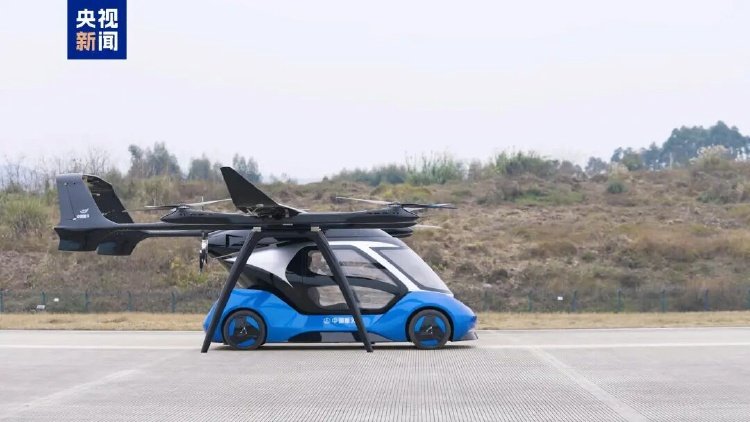
全国首款!首飞成功
中国能源报· 2026-02-06 07:47
Core Viewpoint - The first domestically produced electric vertical take-off and landing aircraft developed by China Aerospace Science and Technology Corporation successfully completed its maiden flight, marking a significant achievement in low-altitude flight technology [1]. Group 1: Aircraft Specifications - The aircraft features a modular design with a split-core structure, consisting of a flying body and a land-based body, allowing it to carry two passengers at speeds of 150 km/h below 3,000 meters [3]. - The land-based body is equipped with an all-electric intelligent control chassis, achieving a range of over 300 km, and utilizes an autonomous alignment and separation coupling mechanism for controlled connection and disconnection [3]. Group 2: Technological Innovations - The low-altitude aircraft is designed to meet airworthiness standards and integrates the industrial strengths of leading automotive companies to create a highly reliable product base [5]. - It incorporates five core technologies, including tilt control and intelligent driving, enabling a modular combination referred to as "aerospace-grade building blocks" [5]. Group 3: Future Applications - The aircraft is expected to play a crucial role in various sectors such as transportation, logistics, and emergency support, highlighting its versatility and adaptability to different scenarios [5].