樱花经济

Search documents
江西明月山:门票做“减法” 消费做“加法”
Zhong Guo Jing Ji Wang· 2026-01-29 15:01
Core Viewpoint - The Mingyue Mountain Flower Sea Scenic Area in Yichun, Jiangxi, will open on February 1, 2026, with a ticket-free entry policy from February 1 to 14, aimed at increasing visitor numbers and stimulating regional economic growth through diversified consumption [1][2][3] Group 1: Ticket-Free Policy - The scenic area will allow free entry for visitors who share the event page for three consecutive days between January 24 and 31, significantly lowering the initial cost for visitors [1] - The strategy aims to shift the focus from ticket revenue to overall consumption, encouraging spending in areas such as dining, accommodation, and local experiences, thus creating a positive cycle of "free entry, in-park consumption" [1][2] Group 2: Economic Impact - The influx of visitors is expected to benefit surrounding businesses, including inns, restaurants, and local specialty shops, creating a consumption ripple effect [2] - The scenic area plans to innovate by integrating various activities such as Hanfu shows and music concerts, transforming the cherry blossom season into a multi-faceted cultural tourism event [2][3] Group 3: Industry Transformation - The initiative represents a marketing innovation in the cultural tourism sector, aiming to enhance the quality of supply and optimize the consumer environment [3] - By leveraging ecological resources like cherry blossoms, the project embodies the principle of "green mountains and clear waters are invaluable assets," aligning ecological benefits with economic gains [3] - The ticket-free policy compels the scenic area to improve service quality and management, ultimately enhancing the overall tourism experience and brand image [3]
第一批中国「樱花难民」正在日本骂街
36氪· 2025-03-26 13:51
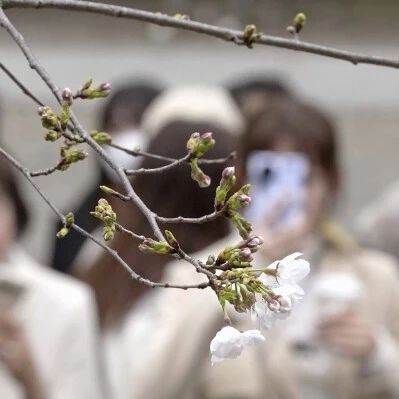
Core Viewpoint - The article discusses the phenomenon of "sakura refugees," referring to Chinese tourists who travel to Japan for cherry blossom viewing but often miss the peak bloom due to unpredictable weather and timing issues. This trend highlights the growing economic impact of cherry blossom tourism in Japan, despite the challenges faced by travelers [3][10][18]. Group 1: Cherry Blossom Tourism Trends - The cherry blossom season in Japan is a significant draw for Chinese tourists, with four out of the top ten popular international flight routes from China to Japan during the Qingming Festival [4][5]. - The cherry blossom bloom period is notably short, lasting only about seven days, making it a gamble for tourists to time their visits correctly [6][7]. - Weather conditions this year have delayed the cherry blossom bloom, leading to many tourists returning disappointed after missing the peak viewing period [7][24]. Group 2: Economic Impact - The cherry blossom season has historically contributed positively to Japan's economy, with years when blossoms bloom before March 20 showing higher economic growth rates [15][18]. - The phenomenon known as "sakura economy" has emerged, where businesses launch special cherry blossom-themed products to attract tourists, enhancing overall consumption during this period [16][18]. - The influx of Chinese tourists has created a ripple effect in the tourism industry, leading to price fluctuations in flights and accommodations as demand shifts [24][29][30]. Group 3: Social Media Influence - Social media platforms have played a significant role in shaping travel decisions, with influencers promoting early bookings based on cherry blossom predictions, which can lead to misinformation and disappointment [8][20]. - Tourists are increasingly relying on cherry blossom prediction websites, which can vary in their forecasts, leading to confusion and miscalculations regarding the best times to visit [20][22]. Group 4: Traveler Experiences - Many travelers express frustration over their experiences, with some regretting not adjusting their travel plans based on updated bloom forecasts [31][32]. - The article highlights the contrasting experiences of tourists, where some successfully time their visits while others become "sakura refugees," underscoring the unpredictability of cherry blossom viewing [23][32].

第一批中国“樱花难民”正在日本骂街
创业邦· 2025-03-26 10:14
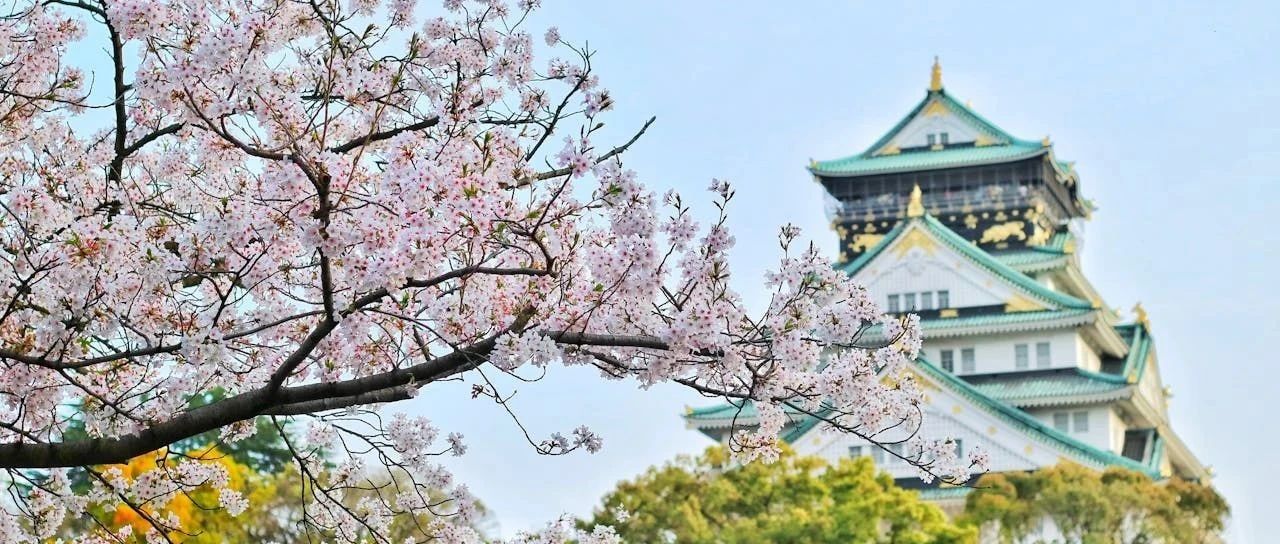
Core Viewpoint - The article discusses the phenomenon of "sakura refugees," referring to Chinese tourists who travel to Japan for cherry blossom viewing but often miss the peak bloom due to unpredictable weather and misinformation from social media influencers [4][10][20]. Group 1: Cherry Blossom Tourism Trends - The cherry blossom season in Japan is a significant draw for Chinese tourists, with four out of the top ten popular international flight routes during the Qingming holiday being to Japan [7][8]. - The cherry blossom season is characterized by a very short bloom period, typically lasting only about seven days, making timing crucial for tourists [9][17]. - The economic impact of cherry blossom tourism is substantial, with historical data indicating that years when cherry blossoms bloom before March 20 correlate with higher economic growth in Japan [17][19]. Group 2: Tourist Experiences and Challenges - Many tourists, like A and B, faced disappointment this year as they arrived too early for the cherry blossoms, leading to unexpected changes in their travel plans [5][12][13]. - Social media influencers have been criticized for spreading misleading information about cherry blossom bloom predictions, contributing to the confusion among travelers [10][20][22]. - The phenomenon of "sakura economy" has emerged, highlighting the economic benefits derived from cherry blossom tourism, which has become a key aspect of Japan's tourism strategy [19]. Group 3: Market Reactions and Adjustments - Due to the delayed cherry blossom bloom this year, there has been a notable decrease in flight and hotel prices in Japan, as businesses adjust to maintain occupancy rates [25][26][29]. - Tourists are now more cautious, with some expressing regret over not waiting to book flights and accommodations closer to their travel dates to avoid missing the cherry blossoms [29].