出境旅游

Search documents
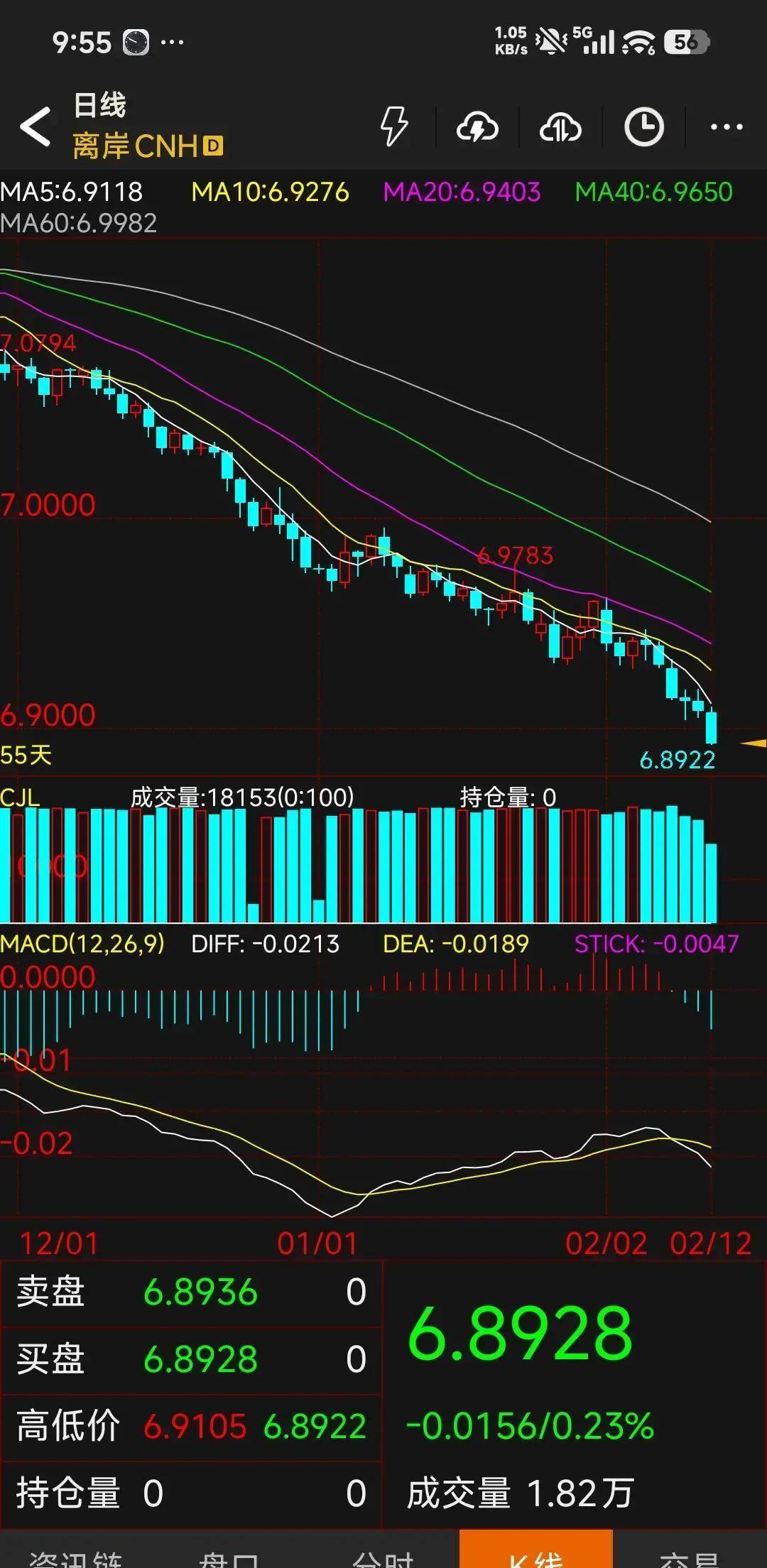
离岸人民币破6.89!三股力量推升A股,四大板块暗藏玄机
Sou Hu Cai Jing· 2026-02-14 05:12
Core Viewpoint - The offshore RMB has strengthened significantly, breaking the 6.89 mark, driven by reduced expectations for Fed rate hikes, continuous foreign capital inflow, and steady improvement in the Chinese economy, making RMB a focal point in the market [1] Group 1: Aviation Industry - The aviation sector is highly sensitive to exchange rates, with costs for aircraft, fuel, and parts typically settled in USD; RMB appreciation reduces financial burdens for companies [4] - China National Airlines, China Southern Airlines, and China Eastern Airlines benefit from this appreciation, with China National Airlines' USD debt constituting 60% of its liabilities, leading to significant profit increases with every 1% rise in RMB [4] - China Southern Airlines, due to its large fleet, sees even more pronounced profit increases, while China Eastern Airlines also experiences improved profitability from reduced fuel costs and exchange gains [4] Group 2: Paper Industry - The paper industry is directly impacted by RMB appreciation, as pulp prices are closely tied to USD, with over 60% of pulp imported; a stronger RMB effectively lowers raw material costs [4] - Companies like Sun Paper, which has a high self-sufficiency rate, can see immediate profit increases with slight RMB appreciation, while others heavily reliant on imports, such as Hengda New Materials, benefit significantly from reduced cost pressures [4] Group 3: Outbound Tourism - The outbound tourism sector reacts quickly to exchange rate changes; a stronger RMB makes international travel, including flights and accommodations, more affordable, increasing consumer interest [5] - China Duty Free Group stands out as a major beneficiary, with rising demand for duty-free shopping, while China Youth Travel Service also benefits from improved product value and increased orders due to RMB appreciation [5] Group 4: Financial Sector - The financial sector is an indirect beneficiary of RMB strength, attracting foreign capital, particularly from funds focused on long-term asset allocation [5] - Major banks like Industrial and Commercial Bank of China maintain stable profits, while retail banks like China Merchants Bank see increased foreign holdings; China Ping An benefits from the appreciation of overseas investments when converted to RMB [5] Group 5: Market Sentiment and Future Outlook - The recent RMB appreciation signals a shift in investor sentiment, moving from passive observation to active evaluation of Chinese asset safety and value [6] - The sustainability of this appreciation and its ability to translate into real profits for companies remains uncertain, but if it continues, sectors like aviation, paper, tourism, and finance could enter a new valuation cycle [7] - The market's response to the RMB's strength reflects a broader confidence returning, with questions about how long this confidence can last and its potential impact on corporate earnings [7]

GCC出境旅游市场持续扩张
Shang Wu Bu Wang Zhan· 2026-01-02 15:18
Core Insights - The GCC outbound tourism market is projected to reach $138.06 billion by 2033, with a compound annual growth rate (CAGR) of 7.1% from 2025 to 2033 [1] Group 1: Market Growth Drivers - The growth in outbound tourism demand is driven by low-cost airlines, online booking platforms, and visa facilitation [1] - High-end experiences, cultural tourism, and health tourism are increasingly favored by travelers [1] Group 2: Future Growth Factors - The unified GCC tourism visa program is considered crucial for future growth in the sector [1]
2024中国旅游者出境满意度研究报告:中国游客脚步慢下来了 更愿意为美好生活付费
Zhong Guo Qing Nian Bao· 2025-06-28 02:49
Group 1 - The core viewpoint of the report indicates that tourist satisfaction has become a significant indicator for the outbound tourism market, with a satisfaction score of 80.06, marking a historical high [1] - In 2024, the number of outbound trips by mainland residents reached 122.79 million, with East Asia, Southeast Asia, and Hong Kong, Macau, and Taiwan remaining the most important short-haul destinations [1] - Japan has surpassed Thailand to become the top foreign travel destination for Chinese tourists, while EU countries, Russia, and Australia continue to lead in long-haul destinations [1] Group 2 - The report highlights a notable growth in markets along the "Belt and Road" initiative, particularly in Central Asia, West Asia, North Africa, and Central and Eastern Europe, attracting more spontaneous travelers from China [2] - The top ten outbound destinations for Chinese tourists in 2024 include Macau, Singapore, the UK, New Zealand, Spain, Hong Kong, France, Australia, Malaysia, and Argentina, characterized by high ratings in cultural experiences, shopping, and local friendliness [2] - As Chinese tourists gain more experience, they are willing to spend more on quality experiences, reflecting a shift towards valuing life quality in their travel choices [2] Group 3 - Tourists are increasingly interested in engaging with contemporary art and local culture, utilizing technology for self-guided experiences, and exploring various local activities [3] - There are concerns regarding the quality of core services such as transportation, dining, and accommodation in some overseas destinations, with tourists expressing safety concerns during nighttime outings [3] - The report emphasizes the need for improved safety measures and cooperation among governments and relevant departments to enhance the sense of security for Chinese tourists abroad [3]
第一批中国“樱花难民”正在日本骂街
创业邦· 2025-03-26 10:14
Core Viewpoint - The article discusses the phenomenon of "sakura refugees," referring to Chinese tourists who travel to Japan for cherry blossom viewing but often miss the peak bloom due to unpredictable weather and misinformation from social media influencers [4][10][20]. Group 1: Cherry Blossom Tourism Trends - The cherry blossom season in Japan is a significant draw for Chinese tourists, with four out of the top ten popular international flight routes during the Qingming holiday being to Japan [7][8]. - The cherry blossom season is characterized by a very short bloom period, typically lasting only about seven days, making timing crucial for tourists [9][17]. - The economic impact of cherry blossom tourism is substantial, with historical data indicating that years when cherry blossoms bloom before March 20 correlate with higher economic growth in Japan [17][19]. Group 2: Tourist Experiences and Challenges - Many tourists, like A and B, faced disappointment this year as they arrived too early for the cherry blossoms, leading to unexpected changes in their travel plans [5][12][13]. - Social media influencers have been criticized for spreading misleading information about cherry blossom bloom predictions, contributing to the confusion among travelers [10][20][22]. - The phenomenon of "sakura economy" has emerged, highlighting the economic benefits derived from cherry blossom tourism, which has become a key aspect of Japan's tourism strategy [19]. Group 3: Market Reactions and Adjustments - Due to the delayed cherry blossom bloom this year, there has been a notable decrease in flight and hotel prices in Japan, as businesses adjust to maintain occupancy rates [25][26][29]. - Tourists are now more cautious, with some expressing regret over not waiting to book flights and accommodations closer to their travel dates to avoid missing the cherry blossoms [29].