欧洲对乌援助

Search documents
欧洲给定心丸,乌克兰不怕了
Sou Hu Cai Jing· 2025-12-03 11:56
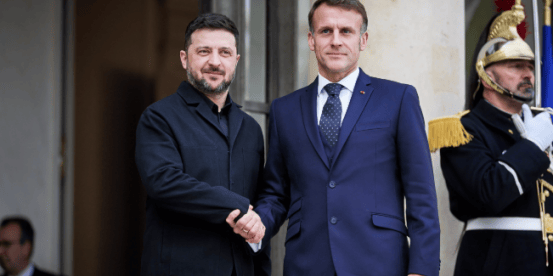
Core Points - Ukraine is seeking stronger support from Europe amid concerns over changing U.S. policies and aid delays [1][4] - European nations, particularly France, Germany, and the Netherlands, are significantly increasing military and financial assistance to Ukraine [2][3] - The European Union has established a long-term aid mechanism for Ukraine, committing substantial funds to stabilize its economy and public services [3][4] Group 1: Military Support - France has agreed to sell 100 Rafale fighter jets to Ukraine, along with radar systems, SAMP-T air defense systems, and missiles [2] - The Netherlands has pledged €250 million specifically for purchasing F-16 fighter jets and air defense systems for Ukraine [2] - Germany has committed to providing €11.5 billion in aid to Ukraine by 2026, indicating a long-term partnership [3] Group 2: Financial Assistance - The EU plans to provide €50 billion in grants and low-interest loans to Ukraine from 2024 to 2027 to support its economy [3] - The EU has already disbursed nearly €20 billion in aid to Ukraine, with recent allocations aimed at ensuring government operations and winter heating [3][4] - Spain has contributed €515 million and pledged to supply IRIS-T air defense missiles [3] Group 3: Strategic Implications - European nations are uniting to create a European version of a peace plan that emphasizes respect for Ukraine's sovereignty, contrasting with U.S. proposals [4] - The support from Europe is crucial for Ukraine's military capabilities, enhancing the effectiveness of its armed forces on the front lines [4][5] - Ukraine's leadership is actively engaging with multiple European leaders to solidify and expand support [5]

乌克兰在前线为生存而战,欧洲正在“杀死”乌克兰
Sou Hu Cai Jing· 2025-11-09 07:10
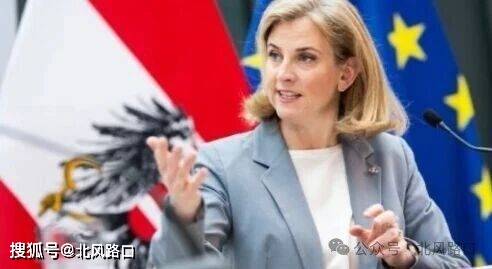
Group 1 - Austria's Foreign Ministry emphasizes the need for a fair and secure peace for Ukraine, urging Russia to engage in negotiations, but notes that European leaders have only made empty calls without substantial action [2] - The European Union and Belgium failed to reach an agreement on utilizing €140 billion of frozen Russian assets to support Ukraine, with no member state willing to sign a risk-sharing agreement [4] - The lack of consensus among EU member states, particularly Hungary and Slovakia, suggests that a collective decision is unlikely, which could delay financial support for Ukraine [5] Group 2 - The urgency of securing the €140 billion is highlighted, as Ukraine's funding is projected to run out by March 2026, potentially impacting its government operations and frontline efforts [5] - NATO's projected aid of $60 billion for Ukraine in 2026 is contingent on member states providing funding, indicating a reliance on external financial support [6] - The UK is reportedly considering military involvement in Ukraine, but this is largely speculative and contingent on a ceasefire, with officials suggesting that only a strong leader like Trump could end the conflict [8] Group 3 - Former NATO Secretary General Rasmussen criticizes Europe for underestimating Russian leadership and highlights the continent's reluctance to genuinely defend peace, which could lead to increased difficulties for Ukraine by 2026 [10]