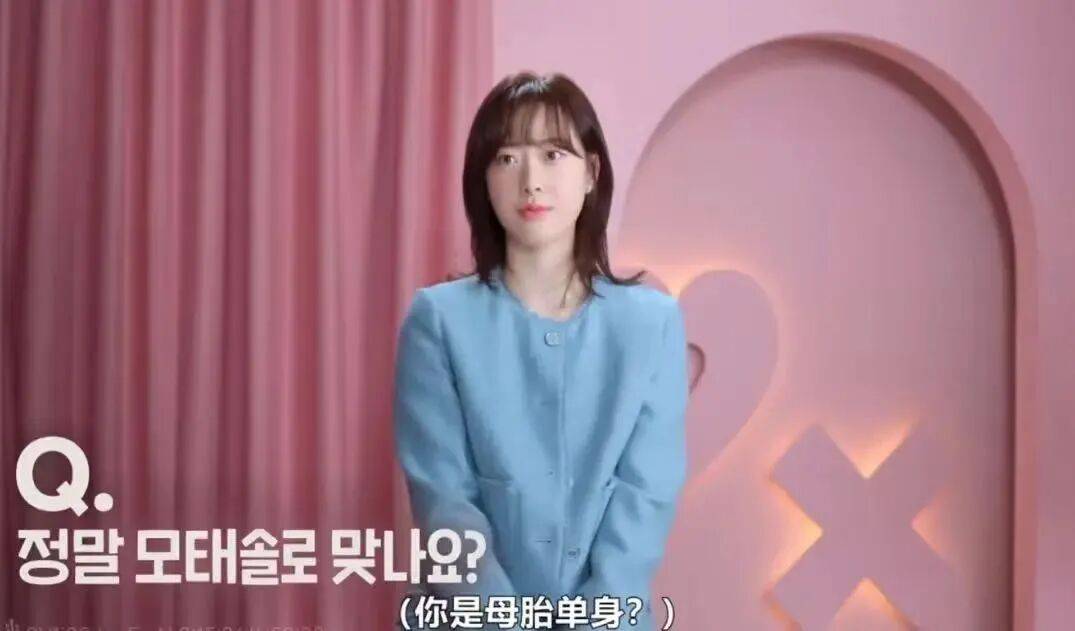
母胎单身

Search documents
母胎单身的年轻人:30岁,初吻还在
Hu Xiu· 2025-09-01 12:02
Core Viewpoint - The new Netflix dating show "Mother's Single Love Battle" focuses on individuals who have never been in a romantic relationship, exploring their experiences and challenges in a light-hearted manner [2][7]. Group 1: Show Concept and Structure - The show features 12 young individuals who have never dated, living together for 9 days in Jeju Island to find love [2]. - Unlike other dating shows that emphasize romantic tension, this show highlights the awkwardness and innocence of the participants [3][25]. - The program consists of only 10 episodes, which is fewer than similar dating shows, raising questions about the amount of content available [24]. Group 2: Participant Selection and Background - The term "mother's single" originated in South Korea and refers to individuals who have never dated, often used in a self-deprecating manner [6]. - The selection process involved interviewing around 200 applicants from 4000 submissions, focusing on those genuinely wanting to change their single status [10]. - Participants are often highly qualified individuals, including students from prestigious universities and professionals in various fields [9]. Group 3: Social Commentary and Insights - The show reflects broader societal discussions about the challenges faced by the "mother's single" demographic, including their reasons for remaining single [7][39]. - Many participants exhibit a strong sense of self and prioritize personal identity over romantic relationships, indicating a shift in societal values [50][66]. - The show reveals that many young people are increasingly focused on personal growth and career development rather than pursuing romantic relationships [50][56]. Group 4: Emotional and Psychological Aspects - Participants often struggle with social interactions and exhibit awkwardness in romantic situations, highlighting their lack of experience [25][67]. - The show captures the emotional complexities of being "mother's single," where individuals may feel self-doubt and societal pressure to find a partner [61][63]. - Some participants express a desire for intimacy but struggle with the fear of vulnerability and past traumas, affecting their ability to connect with others [45][67].