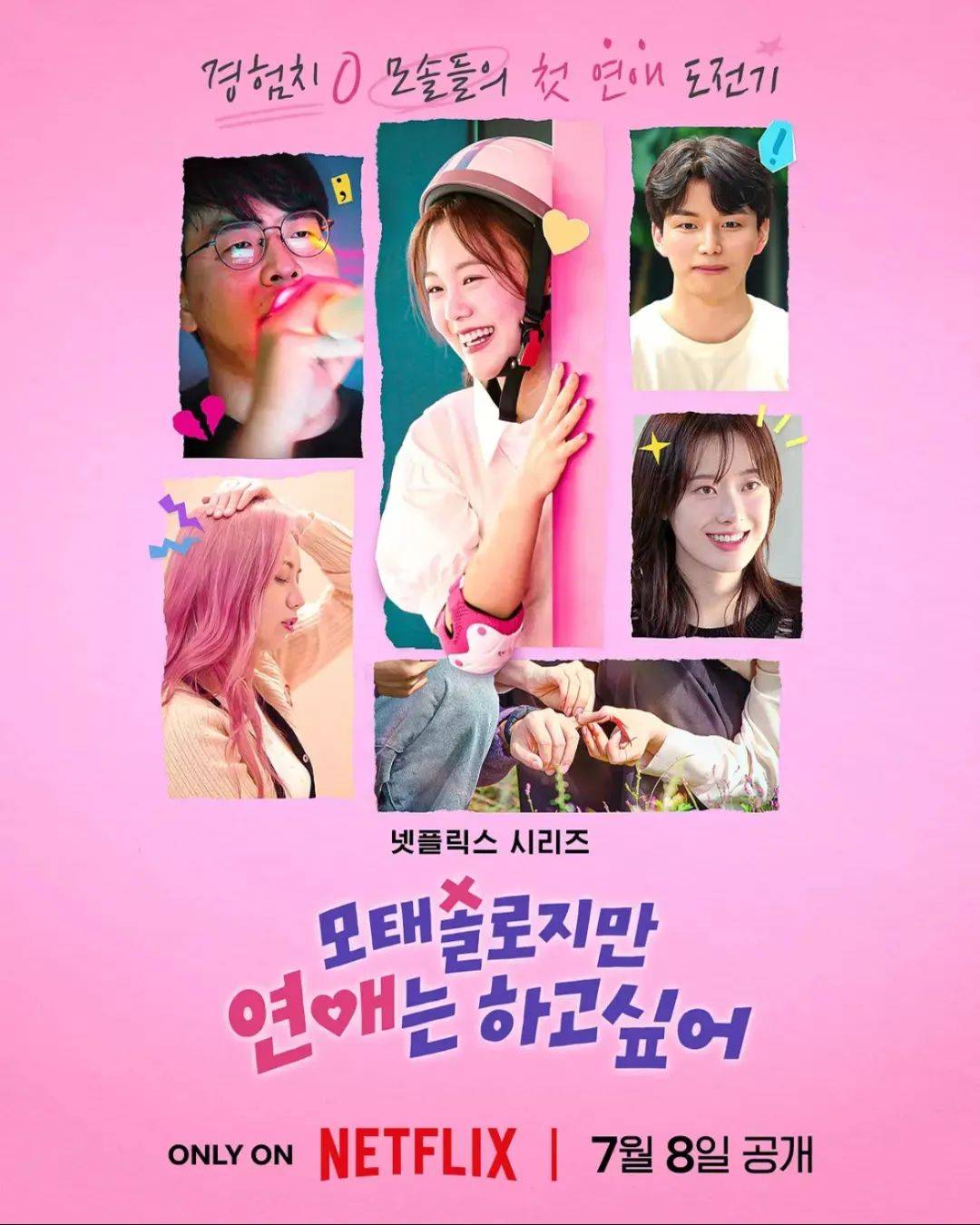
《母胎单身恋爱大作战》

Search documents
恋综2025:观众怎么嗑不动了?
Xin Lang Cai Jing· 2025-12-08 13:17
Core Insights - The 2025 variety show market has seen the emergence of new trends and programs, particularly in the realm of dating reality shows, but many classic formats are at a crossroads due to declining audience engagement [1][5] Summary by Sections Current State of Dating Reality Shows - Over ten dating reality shows were launched by various platforms in 2025, yet most failed to leave a significant impression on viewers [2] - The series "Heart Signal" remains the top performer in the dating genre, achieving a peak score of 9714.88 on Maoyan, ranking 12th among all reality shows [2] - Despite its stable performance, "Heart Signal 8" did not generate the same level of audience discussion as its predecessor, indicating a reliance on existing loyal viewers rather than attracting new ones [2][3] New Formats and Audience Reception - New dating shows like "Love Siblings" and "Love in the Workplace" attempt to innovate by combining dating with other themes, but they struggle to capture audience interest [3][4] - The audience's perception of dating shows has shifted, with many feeling that current formats lack relatability and emotional depth [4][5] Challenges Facing the Genre - The dating reality show genre is facing a critical juncture, with a collective cooling off that raises questions about audience demand [5] - The rise of short videos and live streaming has diminished the impact of dating shows, as these formats offer immediate emotional gratification that traditional shows cannot match [5] Audience Expectations - Despite the decline in traditional dating shows, there remains a strong desire for emotional engagement through longer content, which can provide deeper connections and narratives [5][6] - The younger audience increasingly views love through a utilitarian lens, seeking meaningful experiences rather than superficial entertainment [6][7] Future Directions - Successful dating shows may need to adopt a more niche approach, focusing on specific themes or demographics to resonate with viewers [10][11] - The Korean dating show market has successfully engaged audiences by exploring specific subtopics within the broader theme of love, a strategy that domestic shows have yet to fully embrace [10][12] - The evolution of dating shows is not the end of romantic narratives but a transformation towards more authentic and relatable storytelling that meets contemporary audience needs [12]
母胎单身的年轻人:30岁,初吻还在
Hu Xiu· 2025-09-01 12:02
Core Viewpoint - The new Netflix dating show "Mother's Single Love Battle" focuses on individuals who have never been in a romantic relationship, exploring their experiences and challenges in a light-hearted manner [2][7]. Group 1: Show Concept and Structure - The show features 12 young individuals who have never dated, living together for 9 days in Jeju Island to find love [2]. - Unlike other dating shows that emphasize romantic tension, this show highlights the awkwardness and innocence of the participants [3][25]. - The program consists of only 10 episodes, which is fewer than similar dating shows, raising questions about the amount of content available [24]. Group 2: Participant Selection and Background - The term "mother's single" originated in South Korea and refers to individuals who have never dated, often used in a self-deprecating manner [6]. - The selection process involved interviewing around 200 applicants from 4000 submissions, focusing on those genuinely wanting to change their single status [10]. - Participants are often highly qualified individuals, including students from prestigious universities and professionals in various fields [9]. Group 3: Social Commentary and Insights - The show reflects broader societal discussions about the challenges faced by the "mother's single" demographic, including their reasons for remaining single [7][39]. - Many participants exhibit a strong sense of self and prioritize personal identity over romantic relationships, indicating a shift in societal values [50][66]. - The show reveals that many young people are increasingly focused on personal growth and career development rather than pursuing romantic relationships [50][56]. Group 4: Emotional and Psychological Aspects - Participants often struggle with social interactions and exhibit awkwardness in romantic situations, highlighting their lack of experience [25][67]. - The show captures the emotional complexities of being "mother's single," where individuals may feel self-doubt and societal pressure to find a partner [61][63]. - Some participants express a desire for intimacy but struggle with the fear of vulnerability and past traumas, affecting their ability to connect with others [45][67].

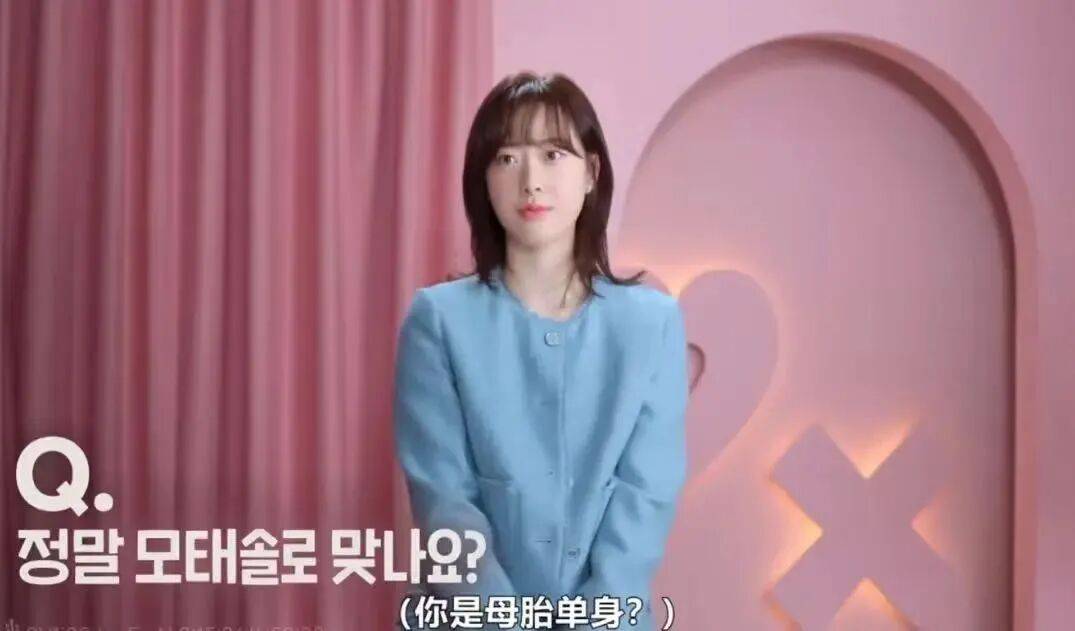
看母单谈恋爱,真的很好笑啊
Hu Xiu· 2025-08-17 02:23
Group 1 - The core viewpoint of the article is that "Mother's Single Love Battle" is recognized as the most relatable dating reality show, reflecting the ordinary outcomes of relationships rather than the high pairing rates typical in other shows [1][31] - The show features a unique approach where participants, referred to as "mother singles," display genuine emotions and awkwardness, contrasting with the more dramatic and polished formats of previous dating shows [4][31] - The participants undergo a six-week training program to improve their dating skills, including image management and interpersonal communication, highlighting their lack of experience in romantic relationships [9][17] Group 2 - The show captures the essence of modern dating challenges faced by young people, who often choose to remain single due to various pressures and fears associated with relationships [7][25] - Unlike previous dating shows, the participants in "Mother's Single Love Battle" do not engage in pretense and are more focused on genuine connections, emphasizing the importance of honesty and self-awareness in relationships [19][24] - The show has received mixed reviews, with initial high ratings dropping as the participants' emotional struggles and misunderstandings became more apparent, reflecting the complexities of real-life dating [27][31]