民族国家

Search documents
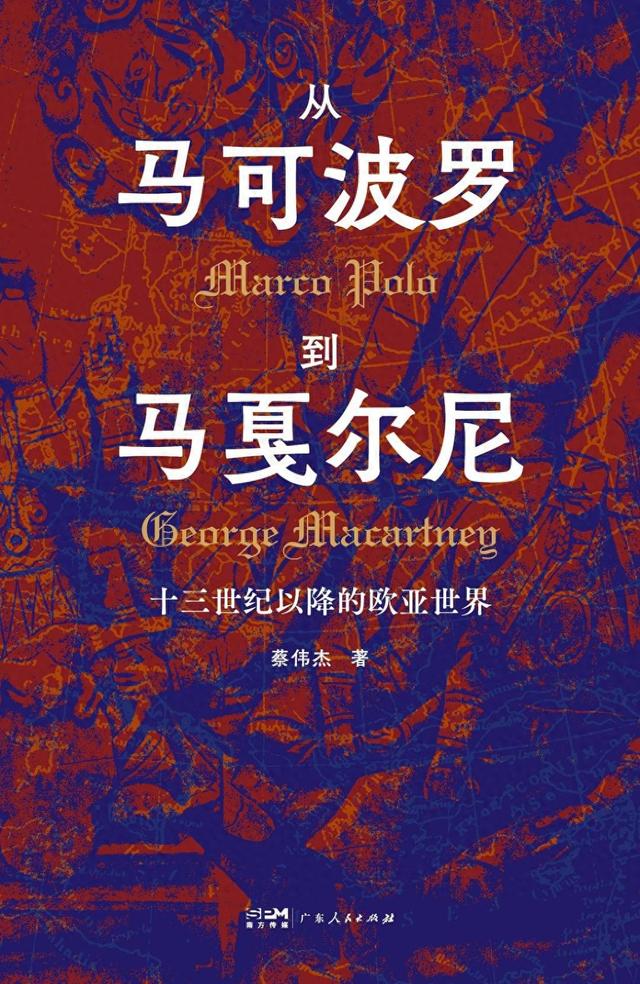
蔡伟杰谈从马可波罗到马戛尔尼的中国与世界
Xin Lang Cai Jing· 2026-01-24 04:11
Group 1 - The article discusses the historical significance of Marco Polo and Lord Macartney's missions to China, highlighting their impact on Western perceptions of China [1][2][5] - Marco Polo's travels in the 13th century provided the primary source of knowledge about China for Europeans for centuries, while Macartney's failed mission in 1793 marked a shift in the Western view of China from a utopian image to a more negative one [1][6] - The book "From Marco Polo to Macartney: The Eurasian World After the 13th Century" by Professor Cai Weijie is noted for its scholarly depth and relevance to the study of Asian inland history [2][4] Group 2 - The article emphasizes the contrasting diplomatic approaches of the Mongol Empire during Marco Polo's time and the Qing Dynasty during Macartney's mission, reflecting changes in China's global image [5][6] - It discusses the economic and political context of the late 18th century, including Britain's need for trade with China amidst its own financial struggles due to wars [6][7] - The Qing Dynasty's perception of foreign relations, particularly under Emperor Qianlong, is analyzed, indicating a focus on national security over commercial interests [7][6] Group 3 - The article highlights the differences in historical research approaches between Yuan and Qing dynasties, noting that Yuan history has been more inclusive of non-Han sources compared to Qing history [9][10] - It discusses the evolution of historical narratives in China, particularly how the Mongol and Qing dynasties influenced the understanding of Chinese identity and culture [12][14] - The article also touches on the complexities of ethnic relations during the Yuan and Qing periods, contrasting their governance strategies and societal impacts [14][15]

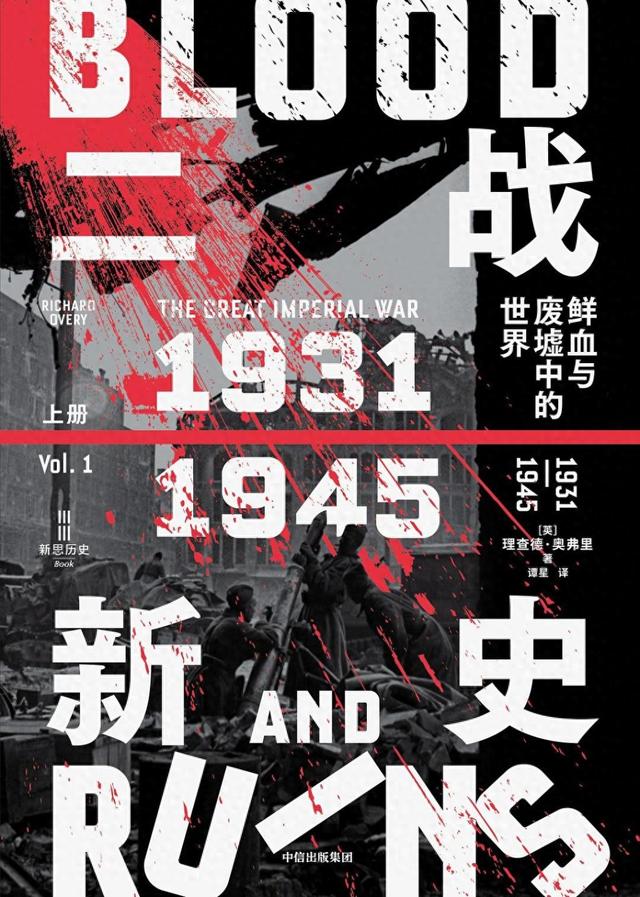
李公明|一周书记:在鲜血与废墟中阴魂不散的……帝国野心
Xin Lang Cai Jing· 2025-12-18 03:06
Core Viewpoint - The article discusses the historical parallels between World War II and current global tensions, emphasizing the relevance of studying WWII in light of contemporary conflicts such as the Russia-Ukraine war and the Israel-Palestine situation [2][3][4]. Group 1: Historical Context and Relevance - The commemoration of the 80th anniversary of WWII has been marked by a mix of unease and pessimism, with discussions around the potential for a third world war becoming prominent among political leaders and commentators [2][3]. - The historical narrative of WWII is being invoked in discussions about current geopolitical conflicts, suggesting that the lessons of the past remain pertinent today [2][4]. Group 2: Richard Overy's New History of WWII - Richard Overy's book "Blood and Ruins: The Great Imperial War, 1931-1945" is described as a significant contribution to WWII historiography, praised for its comprehensive and profound analysis [5][6]. - The book is noted for its global perspective and its reinterpretation of WWII as an extension of imperial ambitions, challenging traditional narratives that focus solely on the conflict between peace-loving nations and aggressive imperial powers [6][7]. Group 3: Key Themes in Overy's Work - Overy identifies four main premises that underpin his narrative of WWII: the time frame of the war, its global scope, the various forms of warfare, and the nature of the conflict as an imperial war [7][8]. - The starting point of WWII is proposed to be the 1931 Japanese invasion of Northeast China, which Overy argues marks the beginning of a new imperial era, rather than the commonly accepted 1939 date [8][9]. Group 4: Global Perspective on WWII - Overy emphasizes that WWII should be understood as a global event, with regional instabilities contributing to a broader crisis, rather than merely a European conflict [10][11]. - The book critiques the Eurocentric view of history, advocating for a narrative that encompasses the significance of events in Asia and other regions during the war [10][11]. Group 5: Nature of Warfare - Overy discusses the various forms of warfare present in WWII, including civil wars and total wars, highlighting the complexity of the conflict beyond state-to-state interactions [11][12]. - The concept of "imperial war" is central to Overy's thesis, suggesting that the war was fundamentally about imperial expansion and territorial ambitions [12][13]. Group 6: Implications for Contemporary Conflicts - The themes of territorial ambition and imperialism in Overy's analysis resonate with current geopolitical tensions, such as the Russia-Ukraine conflict and the Israel-Palestine situation, suggesting that historical patterns of aggression and expansionism persist [14][15]. - Overy's insights into the motivations behind imperial expansion provide a framework for understanding modern conflicts and the ongoing struggles for territory and influence [14][15].