民族集体记忆

Search documents
历史无法尘封 记忆终将苏醒
Xin Lang Cai Jing· 2026-01-08 22:05
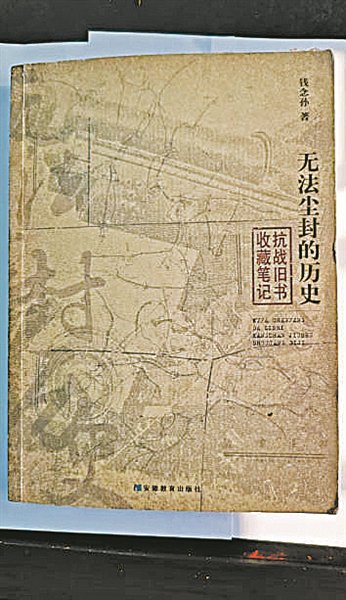
Core Viewpoint - The book "The Unsealable History: Notes on Collecting Anti-Japanese War Books" by Qian Niansun serves as a key to revisiting the collective memory of the Anti-Japanese War, providing a systematic review of rare books from that period and awakening national consciousness [3][4][12]. Group 1: Historical Perspectives - Anti-Japanese war literature offers multiple historical perspectives, including firsthand accounts from Chinese individuals, objective reports from foreign journalists, and internal Japanese strategic documents, creating a multidimensional view of history [4][5]. - The book "The Atrocities of the Japanese Army Witnessed by Foreigners" documents the Nanjing Massacre from a third-party perspective, serving as crucial evidence of Japan's war crimes [4]. - "The Secret History of Japanese Diplomacy in the Invasion of China" reveals the internal diplomatic conspiracies of Japan during the First Sino-Japanese War, providing insights into their aggressive strategies [5][6]. Group 2: Intellectual Resistance - Anti-Japanese literature not only records history but also serves as a weapon of resistance, with intellectuals using writing as a means to build a spiritual defense against invasion [7][8]. - Works like "The Development of Japan" and "Little Discussions" reflect the commitment of intellectuals to link academic work with national defense efforts during the war [7][8]. - The writings of Chen Duxiu during the war period express a strong patriotic sentiment and provide critical insights into the political landscape of the time [8]. Group 3: Cultural Mobilization - Popular literature aimed at the general public played a significant role in mobilizing national sentiment and resistance against the Japanese invasion [10][11]. - "The Anti-Japanese Three-Character Classic" uses traditional forms to convey urgent messages about the war, becoming a classic mobilization text [10]. - The publication of works celebrating national heroes aimed to inspire and rally the populace, combining historical narratives with contemporary needs for cultural mobilization [11]. Group 4: Collective Memory and Historical Preservation - The preservation and study of anti-Japanese war literature are vital for countering historical nihilism and retaining valuable historical memories [12][14]. - The writings from that era, including calls to action from figures like Feng Yuxiang, serve as reminders of the collective responsibility to remember and learn from history [13][14]. - Anti-Japanese war literature is viewed as an essential part of the national cultural gene pool, emphasizing the importance of digital preservation and dissemination of these historical materials [12][14].

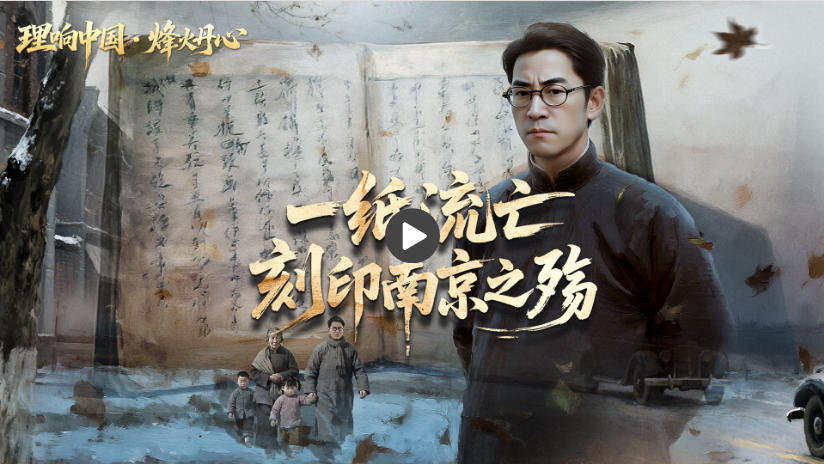
理响中国·烽火丹心|一纸流亡,刻印南京之殇
Yang Guang Wang· 2025-12-12 03:01
Group 1 - The core message of the articles revolves around the significance of Zhou Lianchen's "Exile Diary," which serves as a poignant testament to individual suffering during the Nanjing Massacre and reflects the collective memory of the Chinese people [2][5] - The diary captures the harrowing experiences of a family fleeing the impending invasion, highlighting the extreme hardships and systemic crises faced by the displaced population [3][5] - Zhou Lianchen, despite the dire circumstances, maintained his commitment to education by drafting children's educational plans, showcasing the resilience and integrity of intellectuals during times of crisis [3][5] Group 2 - The "Exile Diary" is not only a record of personal anguish but also a window into the collective memory of the nation, emphasizing the importance of remembering historical atrocities to prevent future occurrences [5][6] - The Nanjing Massacre Memorial Hall stands as a solemn reminder of the past, with its archives serving as a powerful testament to the shared suffering of humanity, which was recognized globally when the "Nanjing Massacre Archives" was included in the "Memory of the World Register" in 2015 [5][6] - The articles stress the necessity of understanding history deeply and respecting life, asserting that true peace arises from remembrance rather than forgetfulness [6][8]