
气候监管框架

Search documents
美国威胁“退群”
中国能源报· 2026-02-18 06:05
Core Viewpoint - The U.S. Energy Secretary Chris Wright expressed dissatisfaction with the International Energy Agency's (IEA) reform progress and threatened a potential withdrawal if the agency continues to prioritize climate change issues over other energy concerns [4]. Group 1: U.S. Energy Secretary's Statements - The U.S. does not require "absurd" net-zero emission scenarios and may choose to exit the IEA if it remains dominated by climate-related content [4]. - Wright made these comments during an energy conference organized by the French Institute of International Relations in Paris [4]. Group 2: Background on the International Energy Agency - The IEA was established in 1974 and is headquartered in Paris, originally created by the OECD to address the oil crisis [4]. - It currently has 32 member countries, including the U.S., and its main purpose is to coordinate energy policies among members and ensure oil supply security [4]. Group 3: Recent U.S. Policy Changes - The Trump administration recently revoked a scientific finding from a 2009 EPA report that recognized the public health risks of greenhouse gas emissions [4]. - This action signifies a significant reversal in U.S. federal climate policy, leading to widespread controversy in scientific, legal, and public health domains, with potential implications for the judiciary, energy sector, and international climate governance [4].

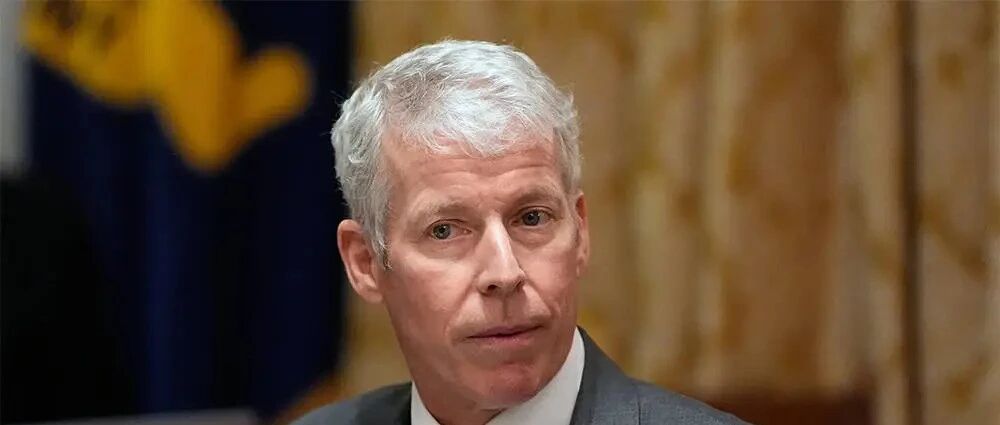
美国能源部长威胁“退群”
Xin Hua She· 2026-02-18 04:32
Core Viewpoint - The U.S. Energy Secretary, Chris Wright, expressed dissatisfaction with the progress of reforms at the International Energy Agency (IEA) and threatened a potential U.S. withdrawal if the agency continues to prioritize climate change issues [1] Group 1: U.S. Position on IEA - The U.S. does not require "absurd" net-zero emission scenarios and may choose to exit the IEA if it remains dominated by climate-related content [1] - The IEA, established in 1974 and headquartered in Paris, originally aimed to coordinate energy policies among member countries and ensure oil supply security, now provides policy advice, analysis, and data on global energy matters [1] Group 2: Impact of U.S. Policy Changes - The Trump administration recently revoked a scientific finding from a 2009 report by the U.S. Environmental Protection Agency, which recognized the public health risks of greenhouse gas emissions [1] - This action signifies a significant reversal in U.S. federal climate policy, leading to widespread controversy in scientific, legal, and public health domains, with potential implications for the judiciary, energy sector, and international climate governance [1]