
温室气体排放

Search documents
美国威胁“退群”
中国能源报· 2026-02-18 06:05
Core Viewpoint - The U.S. Energy Secretary Chris Wright expressed dissatisfaction with the International Energy Agency's (IEA) reform progress and threatened a potential withdrawal if the agency continues to prioritize climate change issues over other energy concerns [4]. Group 1: U.S. Energy Secretary's Statements - The U.S. does not require "absurd" net-zero emission scenarios and may choose to exit the IEA if it remains dominated by climate-related content [4]. - Wright made these comments during an energy conference organized by the French Institute of International Relations in Paris [4]. Group 2: Background on the International Energy Agency - The IEA was established in 1974 and is headquartered in Paris, originally created by the OECD to address the oil crisis [4]. - It currently has 32 member countries, including the U.S., and its main purpose is to coordinate energy policies among members and ensure oil supply security [4]. Group 3: Recent U.S. Policy Changes - The Trump administration recently revoked a scientific finding from a 2009 EPA report that recognized the public health risks of greenhouse gas emissions [4]. - This action signifies a significant reversal in U.S. federal climate policy, leading to widespread controversy in scientific, legal, and public health domains, with potential implications for the judiciary, energy sector, and international climate governance [4].

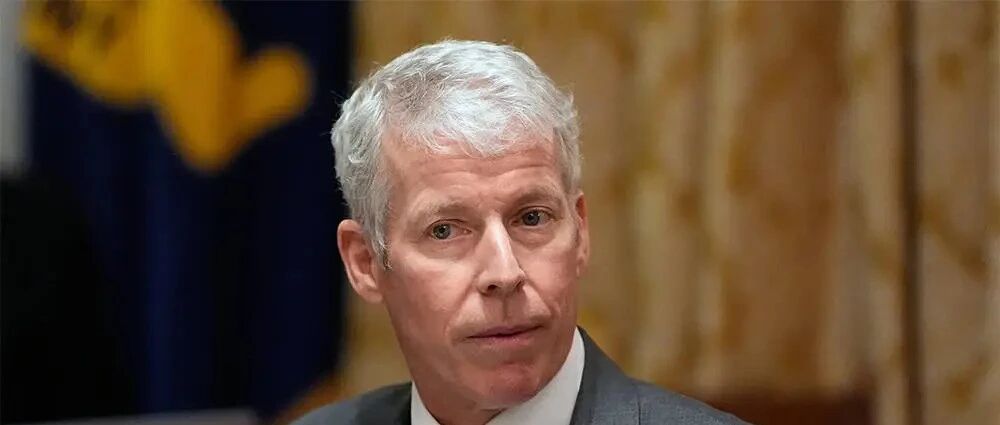
美国能源部长威胁“退群”
Xin Hua She· 2026-02-18 04:32
Core Viewpoint - The U.S. Energy Secretary, Chris Wright, expressed dissatisfaction with the progress of reforms at the International Energy Agency (IEA) and threatened a potential U.S. withdrawal if the agency continues to prioritize climate change issues [1] Group 1: U.S. Position on IEA - The U.S. does not require "absurd" net-zero emission scenarios and may choose to exit the IEA if it remains dominated by climate-related content [1] - The IEA, established in 1974 and headquartered in Paris, originally aimed to coordinate energy policies among member countries and ensure oil supply security, now provides policy advice, analysis, and data on global energy matters [1] Group 2: Impact of U.S. Policy Changes - The Trump administration recently revoked a scientific finding from a 2009 report by the U.S. Environmental Protection Agency, which recognized the public health risks of greenhouse gas emissions [1] - This action signifies a significant reversal in U.S. federal climate policy, leading to widespread controversy in scientific, legal, and public health domains, with potential implications for the judiciary, energy sector, and international climate governance [1]
美国能源部长指责国际能源署,威胁“退群”
Xin Lang Cai Jing· 2026-02-17 23:49
Core Viewpoint - The U.S. is dissatisfied with the progress of reforms at the International Energy Agency (IEA) and threatens to consider withdrawal if the agency continues to prioritize climate change issues [1] Group 1: U.S. Position on IEA - U.S. Energy Secretary Chris Wright stated that the U.S. does not require "absurd" "net-zero emissions scenarios" [1] - The U.S. may choose to withdraw from the IEA if it maintains a focus on climate-related content in its work [1] Group 2: Background on IEA - The IEA was established in 1974 and is headquartered in Paris, originally set up by the OECD to address the oil crisis [1] - The agency currently has 32 member countries, including the U.S., and its main purpose is to coordinate energy policies among members and ensure oil supply security [1] Group 3: Recent U.S. Policy Changes - The Trump administration recently announced the withdrawal of a scientific finding from a 2009 EPA report that recognized the public health risks of greenhouse gas emissions [1] - This action is seen as a significant reversal in U.S. federal climate policy, leading to widespread controversy in scientific, legal, and public health domains [1]
加州州长批特朗普“加倍愚蠢”
Xin Jing Bao· 2026-02-14 08:42
Core Viewpoint - Clean energy and green development are seen as the future trend, with California Governor Newsom highlighting that while China is committed to green development, the U.S. is regressing [1][1]. Group 1: Clean Energy and Green Development - Governor Newsom emphasized the importance of clean energy and green development during a discussion, indicating it is an inevitable trend [1]. - The comparison made by Newsom suggests that the U.S. is falling behind in green initiatives compared to China [1]. Group 2: U.S. Environmental Policy Changes - President Trump announced the revocation of a 2009 scientific finding by the U.S. Environmental Protection Agency, which stated that greenhouse gas emissions are harmful to public health and welfare [1]. - Newsom criticized this decision, claiming it effectively sentenced the future of the U.S. automotive industry to failure [1].
新闻分析|如何看美国撤销气候危害认定的危害
Xin Hua She· 2026-02-14 07:14
Core Viewpoint - The Trump administration's decision to revoke the 2009 greenhouse gas endangerment finding marks a significant reversal in U.S. federal climate policy, raising concerns in scientific, legal, and public health domains [1][3][6] Regulatory Changes - The U.S. Environmental Protection Agency (EPA) describes this decision as the largest single regulatory rollback in U.S. history, claiming it will save taxpayers over $1.3 trillion by alleviating regulatory burdens that exceeded $1 trillion [2][5] - The revocation is seen as aligning with the Trump administration's agenda to enhance traditional energy sectors and reduce regulatory policies, reflecting a focus on economic burdens and industry interests [2][5] Legal and Scientific Controversies - The 2009 finding was based on extensive scientific research indicating that greenhouse gas emissions pose potential threats to public health and welfare, forming the legal basis for various emission regulations [3][4] - Critics argue that this revocation undermines established scientific consensus and contradicts global climate governance trends, potentially complicating future regulatory efforts [3][4] Broader Implications - The decision is part of a broader pattern, with the Trump administration reportedly implementing over 300 measures to roll back climate-related policies, which may weaken U.S. credibility in global climate governance [5][6] - The revocation could lead to increased litigation from states and environmental organizations, challenging the legality of the EPA's actions under the Clean Air Act [4][5] Economic Impact - The potential economic costs associated with climate-related disasters are significant, with estimates indicating that such disasters caused $115 billion in losses in 2025 alone [5][6] - The shift in regulatory framework may lead to higher operational costs for energy consumers, particularly if coal-fired plants are mandated to continue operations [5][6]
如何看美国撤销气候危害认定的危害
Xin Lang Cai Jing· 2026-02-14 07:11
Core Viewpoint - The Trump administration's decision to revoke the 2009 greenhouse gas endangerment finding marks a significant reversal in U.S. federal climate policy, raising concerns in scientific, legal, and public health domains, with potential implications for judicial, energy sectors, and international climate governance [1][3]. Regulatory Changes - The U.S. Environmental Protection Agency (EPA) described the decision as "the largest single rollback of regulation in U.S. history," claiming it would save taxpayers over $1.3 trillion by alleviating regulatory burdens that exceeded $1 trillion [2]. - The EPA's rationale is that the Clean Air Act was originally intended to regulate criteria air pollutants and toxic substances, not greenhouse gases, suggesting that previous interpretations expanded regulatory authority unnecessarily [2]. Legal and Scientific Controversy - The 2009 finding, established during the Obama administration, recognized six greenhouse gases as threats to public health, forming the legal basis for various emission control measures [3]. - Critics argue that revoking this finding undermines scientific consensus on climate change and contradicts global climate governance trends, potentially complicating future regulatory efforts [3][4]. Broader Implications - The decision is part of a broader trend, with the Trump administration reportedly taking over 300 actions to roll back climate-related policies, which may weaken the U.S.'s credibility in global climate governance [6]. - Recent actions include the revocation of fishing bans in marine protected areas and directives to support coal-fired power plants, which could lead to increased operational costs for electricity users [6][7]. Economic Impact - The economic losses from climate-related disasters in 2025 alone are estimated at $115 billion, indicating a significant financial burden associated with climate inaction [7]. - The interplay between energy security, economic costs, and climate risks will continue to shape the future of U.S. climate governance [7].
美加州州长:中国坚持绿色发展 美国却在“开倒车”
Jing Ji Guan Cha Wang· 2026-02-14 05:53
Group 1 - The core viewpoint of the article emphasizes the importance of clean energy and green development for economic prosperity and competitiveness, as highlighted by California Governor Gavin Newsom during the Munich Security Conference [1] - Newsom admires China's commitment to green development, contrasting it with the United States' recent policy shifts under President Trump, who announced the withdrawal of a key scientific finding regarding greenhouse gas emissions [1] - The withdrawal of this scientific finding is seen as detrimental to the future of the U.S. automotive industry, effectively sentencing it to decline, according to Newsom [1]
撤销“温室气体危害认定”,引发强烈法律政治反弹,美国气候政策发生“最重大逆转”
Huan Qiu Shi Bao· 2026-02-13 23:08
Core Viewpoint - The Trump administration's decision to revoke the 2009 scientific finding on greenhouse gas emissions is seen as a significant rollback of climate policies, prioritizing fossil fuel interests over public health and environmental protection [1][2][3]. Group 1: Government Actions - The revocation of the "endangerment finding" is described as the largest deregulation effort in U.S. history, expected to eliminate over $1.3 trillion in regulatory costs and reduce the purchase cost of each vehicle by more than $2,400 [2]. - The action is viewed as a culmination of efforts by conservative groups and industries to weaken greenhouse gas regulations, marking a major shift in U.S. climate policy [3][6]. - The decision is anticipated to lead to a 10% increase in U.S. greenhouse gas emissions over the next 30 years, potentially resulting in 58,000 premature deaths and 37 million asthma attacks by 2055 [4]. Group 2: Industry Reactions - Some business groups support the Trump administration's actions, while others remain silent or express concerns about the negative impact on the electric vehicle manufacturing sector [5]. - The "Zero Emission Transportation Association" criticized the revocation, stating it undermines investments made by companies in the next generation of vehicles [5]. Group 3: Political Implications - The decision is expected to influence the upcoming midterm elections, with the Republican party hoping to gain votes by framing the rollback as a means to boost economic growth [6]. - The ongoing fluctuations in U.S. climate policy reflect a broader political struggle between the Republican and Democratic parties, with climate change rarely being a top concern for voters compared to economic issues [6][7].
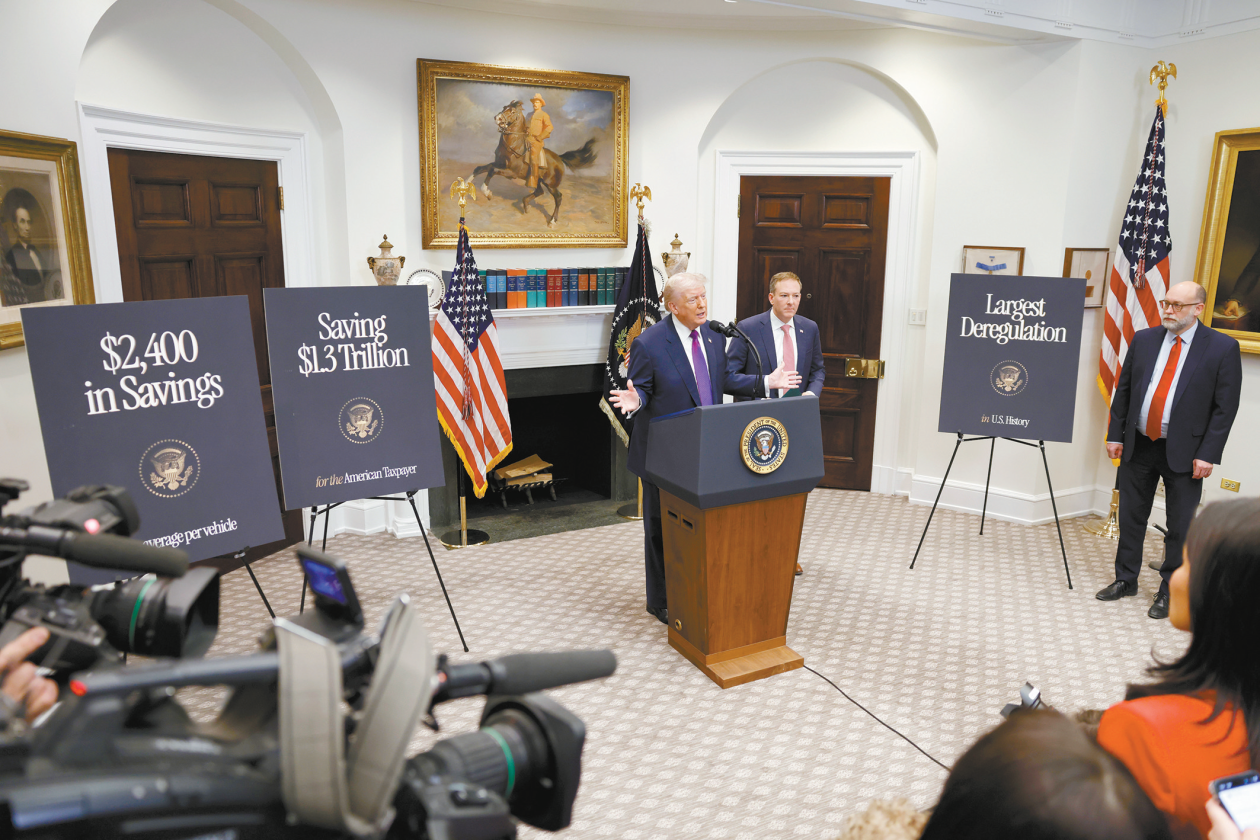
美国政府撤销气候变化危害认定引多方批评
Xin Hua Wang· 2026-02-13 04:21
Core Viewpoint - The Trump administration announced the revocation of a 2009 EPA report that recognized the health risks of greenhouse gas emissions, which has drawn criticism from various stakeholders, including former President Obama and industry associations [1][2]. Group 1: Regulatory Changes - The Trump administration claims this is the largest single revocation of such regulations in U.S. history, stating that previous policies harmed the automotive industry and increased prices significantly [1]. - The EPA estimates that this action will eliminate over $1.3 trillion in regulatory costs and reduce the purchase cost of each vehicle by more than $2,400 [1]. Group 2: Health and Environmental Impact - The 2009 EPA report identified six greenhouse gases, including carbon dioxide, as potential threats to public health and welfare, providing a legal basis for regulating emissions under the Clean Air Act [1]. - The revocation is expected to weaken the regulatory foundation for controlling vehicle and power plant emissions, potentially making the U.S. "less safe and less healthy" and undermining climate change mitigation efforts [2]. Group 3: Legal and Institutional Reactions - Organizations such as the American Lung Association and the American Public Health Association have announced plans to challenge this "illegal revocation" [2]. - Analysts anticipate that the EPA will face legal challenges regarding this decision, indicating a contentious regulatory environment ahead [2].
【环球财经】特朗普政府宣布撤销气候变化危害认定
Xin Hua Cai Jing· 2026-02-13 01:00
Core Viewpoint - The Trump administration has announced the immediate repeal of a 2009 scientific finding by the Environmental Protection Agency (EPA) that greenhouse gas emissions pose a threat to public health and welfare, which was a key legal basis for regulating emissions and promoting electric vehicle development [1][2] Group 1: Regulatory Changes - The repeal eliminates over $1.3 trillion in regulatory costs and is expected to reduce the purchase cost of each vehicle by more than $2,400 [1] - All greenhouse gas emission standards set for model years 2012 to 2027 and beyond have been canceled, including off-cycle credits for automakers [1][2] Group 2: Background and Justification - The 2009 EPA report indicated that six greenhouse gases, including carbon dioxide, posed potential threats to public health and welfare, justifying federal action to limit emissions [2] - The EPA stated that many predictions supporting the 2009 finding did not materialize, and even eliminating all vehicle emissions would not significantly impact global climate indicators by 2100 [2] Group 3: Legal and Political Reactions - The decision has sparked widespread concern and debate regarding the EPA's authority to regulate greenhouse gas emissions, with expectations of legal challenges from organizations like the American Lung Association and the American Public Health Association [2]