
气调保鲜技术

Search documents
过年买的车厘子放几天就坏了?学会这招保鲜更持久→
Yang Shi Xin Wen· 2026-02-22 02:50
Core Viewpoint - The article discusses the journey of cherries from Chile to China during the winter season, highlighting the importance of modern cold chain logistics and agricultural preservation techniques to maintain freshness during transportation [1]. Group 1: Transportation and Preservation Techniques - Cherries, primarily sourced from Chile, travel approximately 20,000 kilometers and take around 23 days to reach China [1]. - The preservation process begins with early morning harvesting to ensure fruit firmness and integrity, followed by immediate transfer to packaging facilities [4]. - Cherries undergo rapid pre-cooling in ice water, sterilization, and washing before being sorted and graded using AI technology for external and internal defects [4][5]. Group 2: Packaging and Shipping - After passing quality checks, cherries are packaged with traceability codes and sealed using modified atmosphere packaging (MAP) that utilizes nitrogen, oxygen, and carbon dioxide to enhance preservation [5]. - The MAP technology maintains oxygen levels at 12%-16% and increases carbon dioxide levels to 4%-6%, significantly inhibiting bacterial growth and extending shelf life [5]. - During shipping, the cold chain is maintained with temperatures kept between -1°C and 1°C, allowing cherries to remain fresh for up to 60 days under optimal conditions [6]. Group 3: Consumer Storage Recommendations - To prolong the freshness of cherries at home, it is recommended to store them in the refrigerator while keeping them in their original MAP packaging and minimizing exposure to air [7]. - For cherries purchased in non-MAP packaging, using a sealable bag for storage is advised [8]. - Cherries should not be stored with ethylene-producing fruits like passion fruit, apples, kiwis, and bananas, as these can accelerate the aging process of cherries [10].

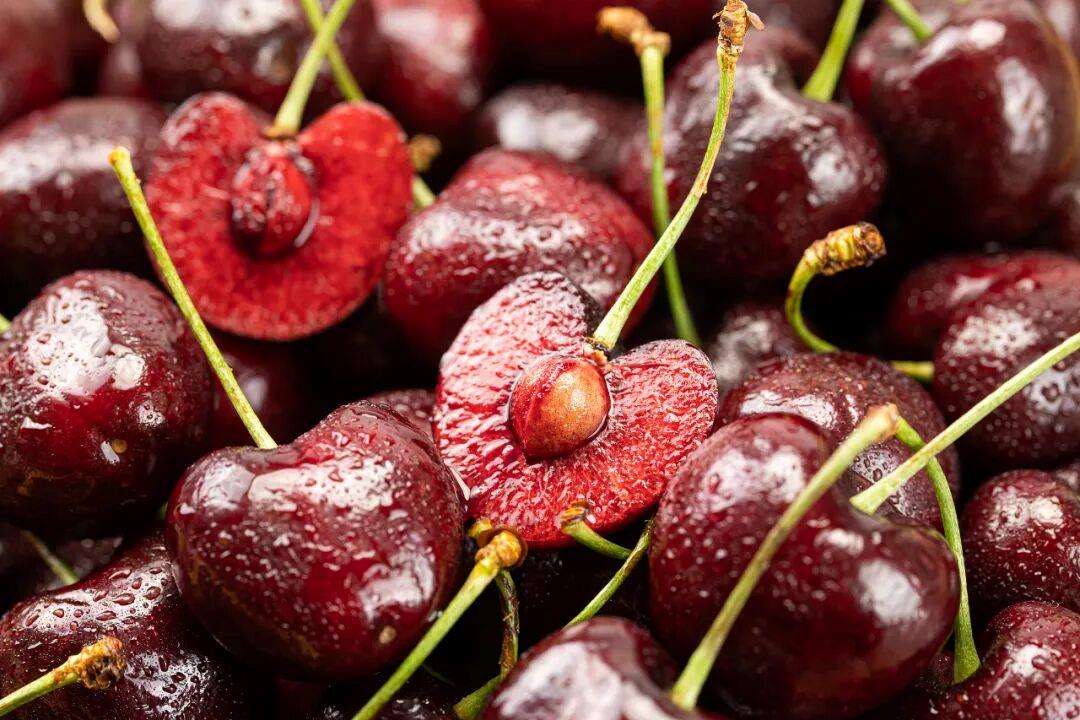
给车厘子“辟个谣”
Xin Lang Cai Jing· 2026-02-13 17:28
Core Viewpoint - The article addresses common misconceptions about cherries, particularly during the peak sales season, and provides expert clarifications to debunk these myths. Group 1: Misconceptions about Cherries - Misconception 1: The bright color of cherries is due to artificial dyeing. The deep red or purple-black color of cherries comes from natural pigments called anthocyanins, which vary based on variety, light exposure, and ripeness [2] - Misconception 2: Cherries are preserved using chemical solutions. The preservation of cherries primarily relies on modified atmosphere packaging technology, which allows the fruit to enter a dormant state without the need for chemical solutions. Occasionally, low-toxicity sanitizers or food-grade wax may be used, but these are compliant with national standards and are not harmful [3]