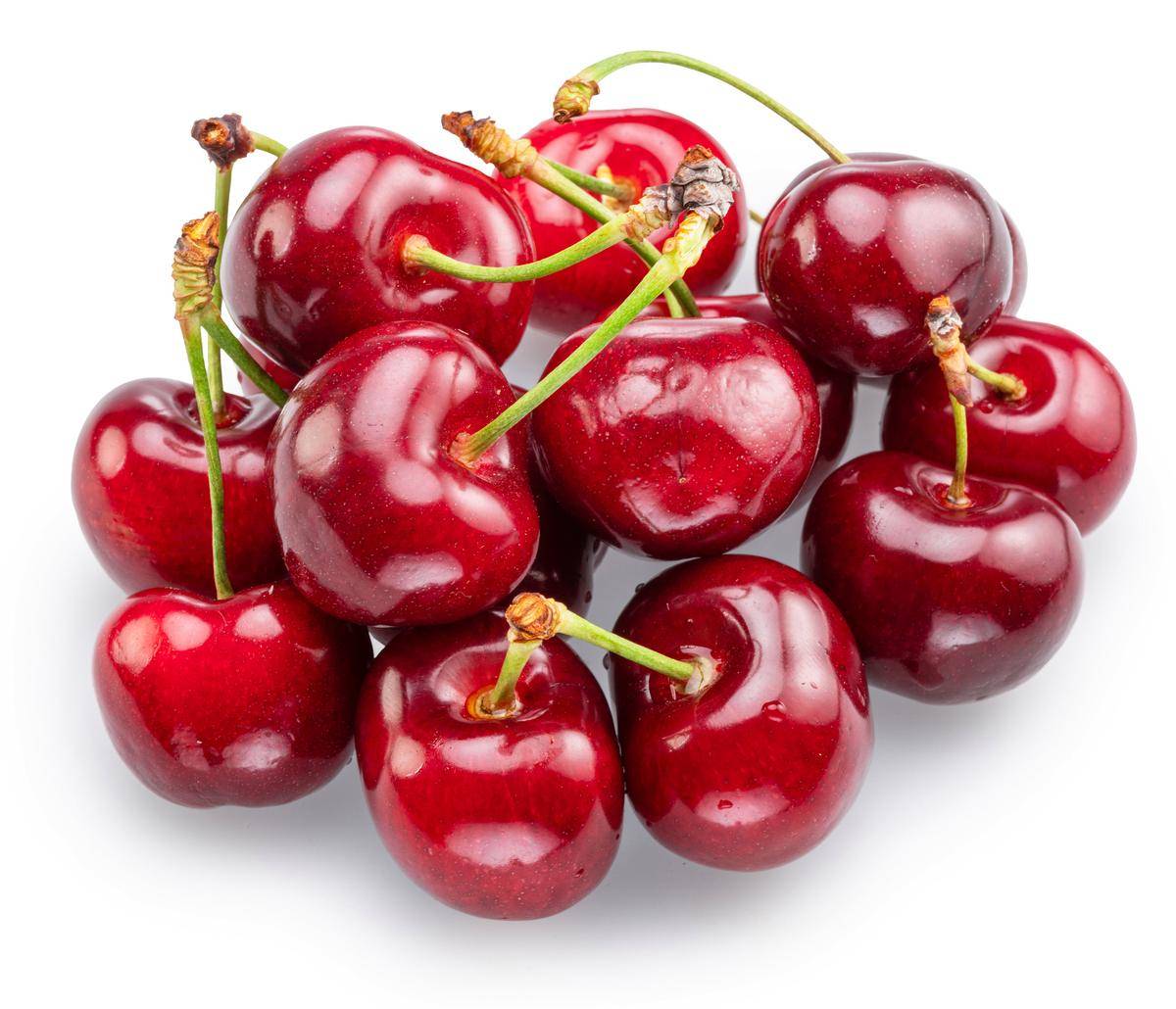
车厘子保鲜技术

Search documents
过年买的车厘子放几天就坏了?学会这招保鲜更持久→
Yang Shi Xin Wen· 2026-02-22 02:50
Core Viewpoint - The article discusses the journey of cherries from Chile to China during the winter season, highlighting the importance of modern cold chain logistics and agricultural preservation techniques to maintain freshness during transportation [1]. Group 1: Transportation and Preservation Techniques - Cherries, primarily sourced from Chile, travel approximately 20,000 kilometers and take around 23 days to reach China [1]. - The preservation process begins with early morning harvesting to ensure fruit firmness and integrity, followed by immediate transfer to packaging facilities [4]. - Cherries undergo rapid pre-cooling in ice water, sterilization, and washing before being sorted and graded using AI technology for external and internal defects [4][5]. Group 2: Packaging and Shipping - After passing quality checks, cherries are packaged with traceability codes and sealed using modified atmosphere packaging (MAP) that utilizes nitrogen, oxygen, and carbon dioxide to enhance preservation [5]. - The MAP technology maintains oxygen levels at 12%-16% and increases carbon dioxide levels to 4%-6%, significantly inhibiting bacterial growth and extending shelf life [5]. - During shipping, the cold chain is maintained with temperatures kept between -1°C and 1°C, allowing cherries to remain fresh for up to 60 days under optimal conditions [6]. Group 3: Consumer Storage Recommendations - To prolong the freshness of cherries at home, it is recommended to store them in the refrigerator while keeping them in their original MAP packaging and minimizing exposure to air [7]. - For cherries purchased in non-MAP packaging, using a sealable bag for storage is advised [8]. - Cherries should not be stored with ethylene-producing fruits like passion fruit, apples, kiwis, and bananas, as these can accelerate the aging process of cherries [10].

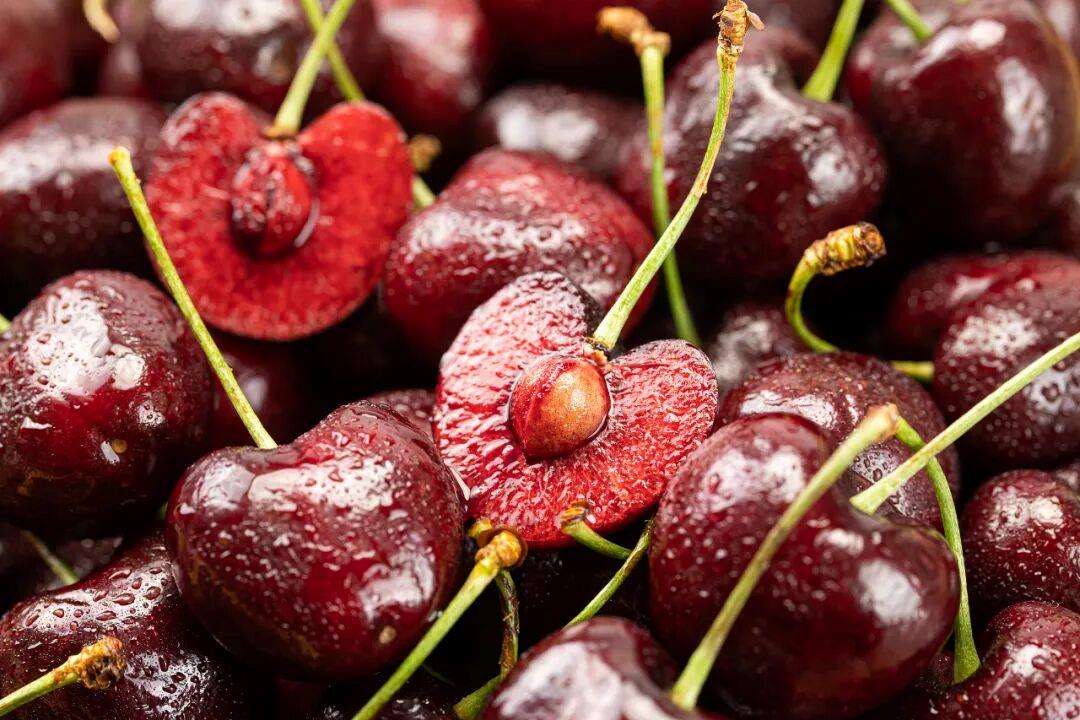
为什么车厘子买回家后易蔫
Xin Lang Cai Jing· 2026-01-26 15:53
Core Insights - The article discusses the reasons why cherries, specifically Chilean cherries, spoil quickly after being purchased despite being fresh upon arrival. It highlights the effectiveness of cold chain logistics and packaging technology in preserving the fruit during transportation [1] Group 1: Transportation and Preservation Technology - Chilean cherries utilize advanced post-harvest processing and preservation techniques that ensure they remain fresh during a month-long sea transport [1] - The cold chain system is crucial, maintaining temperatures between -1°C and 1°C to keep cherries in a near-dormant state, which slows down respiration and metabolic processes [1] - The packaging of imported cherries often employs modified atmosphere packaging, which uses a specific mix of gases (nitrogen, oxygen, and carbon dioxide) to enhance preservation [1] Group 2: Storage Recommendations - To maintain the freshness of cherries at home, it is recommended to store them in the ice-fresh compartment of the refrigerator, where temperatures range from 0°C to 3°C [1] - The typical refrigerator's preservation zone operates at temperatures between 4°C and 8°C, which can lead to quality degradation of cherries due to physiological stress responses [1]
进口车厘子的抢鲜“三重奏”(经济聚焦)
Xin Lang Cai Jing· 2026-01-21 03:07
Core Insights - The article discusses the efficient supply chain and preservation techniques that allow Chilean cherries to reach Chinese consumers fresh and quickly, highlighting the importance of the Chile-China Free Trade Agreement since 2006 [1][4]. Group 1: Harvesting Techniques - Pre-cooling treatment is essential for keeping cherries fresh, where they are cooled immediately after harvesting to eliminate "field heat" [4]. - Cherries are washed and packaged in a controlled atmosphere to slow down respiration and preserve sweetness [4][5]. Group 2: Transportation Efficiency - The "Cherry Express" shipping route from Chile to Guangzhou significantly reduces transit time to 21-23 days, compared to traditional routes [6][7]. - The increase in shipping volume has led to lower prices for imported cherries, making them accessible to more Chinese households [7]. Group 3: Customs and Inspection Process - The customs process is streamlined, allowing cherries to enter the market within 2 hours of arrival, thanks to advanced inspection techniques and pre-declaration by companies [8][9]. - The use of automated screening algorithms and random sampling ensures food safety while maintaining efficiency in the customs process [9]. Group 4: Market Impact - The volume of imported cherries through the Nansha port has increased by nearly 30% compared to the previous year, indicating growing demand and effective supply chain management [10]. - The cherries are not only sold locally but also distributed to major cities across China within 24 hours, enhancing market reach [10].
经济聚焦|进口车厘子的抢鲜“三重奏”
Ren Min Ri Bao· 2026-01-21 02:10
Core Viewpoint - Chile has become a premium cherry production area due to its unique climate and geographical conditions, benefiting from the China-Chile Free Trade Agreement since 2006, which has facilitated the stable and large-scale export of cherries to China during the winter season [1] Harvesting - Pre-cooling treatment is employed to put cherries into a "dormant" state, enhancing their resistance to damage during transport [2] - Cherries are harvested and immediately taken to nearby storage for pre-cooling, where they are washed and packaged in a controlled atmosphere to slow down respiration and preserve freshness [3] Transportation - The "Cherry Express" shipping route from Chile to Guangzhou significantly shortens the travel time to 21-23 days, compared to traditional shipping methods [4] - The increase in shipping volume has led to a decrease in cherry prices, making them accessible to more Chinese households [5] - Chile now accounts for over half of the global cherry export volume, with over 90% of its cherries exported to China [5] Customs Clearance - The customs clearance process is efficient, allowing cherries to enter the market within 2 hours, facilitated by advanced monitoring technologies and streamlined procedures [7][8] - The customs authority employs automated screening and random inspections to ensure food safety, with a focus on rapid processing during peak seasons [8]
进口车厘子的抢鲜“三重奏”:预冷处理 快线直达 随到随检
Ren Min Ri Bao· 2026-01-20 23:51
Core Viewpoint - Chile has become a premium cherry production area due to its unique climate and geographical conditions, benefiting from the China-Chile Free Trade Agreement since 2006, which has facilitated the stable and large-scale export of cherries to China during the winter season [1] Group 1: Harvesting Process - Cherries are pre-cooled immediately after harvesting to eliminate "field heat," enhancing their resilience during transport [4] - The pre-cooling process involves washing and soaking cherries in 0°C water, followed by automated sorting and gas-flushing packaging to slow down respiration and preserve freshness [4][5] Group 2: Transportation Efficiency - The "Cherry Express" shipping route from Chile to Guangzhou has significantly reduced transit time to 21-23 days, compared to traditional routes [6] - The increase in shipping volume has led to a decrease in cherry prices, making them accessible to more Chinese households [6] Group 3: Trade and Regulatory Environment - By 2019, the product coverage rate for zero tariffs between China and Chile reached approximately 98%, with cherries being a key beneficiary [7] - Chile now accounts for over half of the global cherry export volume, with over 90% of its cherries exported to China [7] Group 4: Customs and Market Entry - The customs clearance process for cherries is expedited, allowing them to enter the market within 2 hours of arrival [8][9] - The implementation of automated screening and random inspections by customs ensures the safety and quality of imported cherries [9] Group 5: Market Growth - The volume of cherries imported through the Nansha port has increased by nearly 30% compared to the same period last year, attributed to advancements in preservation technology and rapid logistics [9]
“水果刺客”为何跌穿地心
Xin Lang Cai Jing· 2026-01-07 18:15
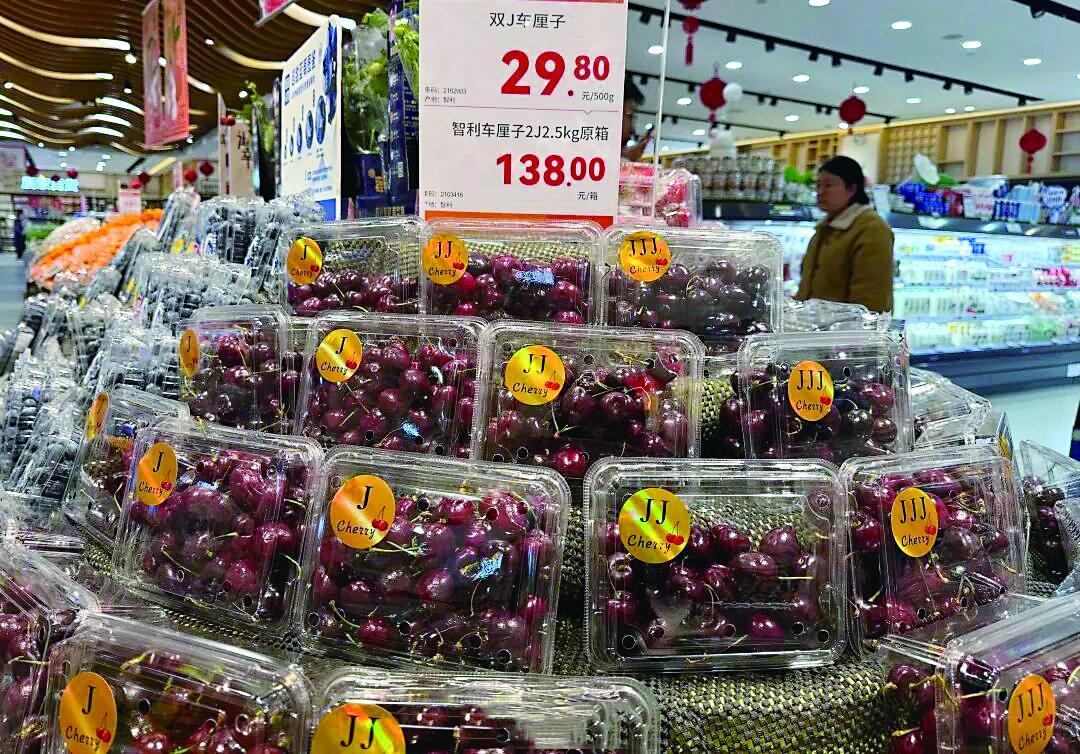
Core Viewpoint - The price of Chilean cherries has significantly dropped, reaching the lowest level in a decade, with a 2.5 kg pack of 3J grade cherries selling for as low as 180 yuan (36 yuan per jin) [1][2]. Price Trends - The price of 2.5 kg of 2J grade Chilean cherries in Chongqing was 184 yuan at the end of last month, down nearly 40% from approximately 300 yuan in November of the previous year [2]. - In various regions across China, cherry prices have seen substantial declines, with some retailers noting that prices have reached a ten-year low [2]. - The wholesale price of 2.5 kg of 3J grade cherries has dropped from 750 yuan to 200 yuan, indicating a significant price reduction [2]. Market Dynamics - Chilean cherries have gained popularity in China since their entry into the market in 2008, with Chile being the largest supplier, accounting for nearly 90% of imported cherries [3][4]. - The increase in cherry supply has led to a decrease in prices, with reports indicating that prices fell from 399 yuan per jin in October 2023 to approximately 42 yuan per jin by January 2024 [8]. Supply Chain Improvements - The logistics efficiency has improved, with the number of direct flights from Chile to China doubling to 32, and the shipping time for cherries reduced from 28 days to 23 days [8]. - The reduction in transportation costs by 10%-20% due to improved logistics has contributed to the lower prices of cherries [8]. Future Price Expectations - Some industry insiders predict a slight price increase for cherries around the Spring Festival due to the seasonal end of cherry production in Chile [9]. - The overall sales cycle for cherries is expected to be longer this year, which may lead to a small uptick in prices as the holiday approaches [9].
今冬首批车厘子每箱近千元,高价背后竟是空中豪游
Sou Hu Cai Jing· 2025-10-28 23:23
Group 1: High Prices of Cherries - The first batch of cherries this winter is priced around 1000 yuan per box in Beijing's Xinfadi market, making it unaffordable for many consumers [1][3] - The high price is primarily due to air freight costs, which account for nearly half of the selling price, as these cherries are considered premium products arriving via air [3][5] - The market for cherries shows significant seasonal price fluctuations, with the highest prices occurring from late October to November, and a sharp price drop expected in mid-December when sea-freighted cherries arrive [5][9] Group 2: Supply Chain and Preservation - The cherries are preserved using nitrogen sealing technology, which delays oxidation by isolating the fruit from oxygen, and the entire transport process is managed under cold chain conditions to maintain freshness [5][9] - The first sea-freighted cherries are expected to arrive in mid-December, potentially reducing prices from around 1000 yuan to 200-300 yuan per box, making them more accessible to consumers [9] Group 3: Domestic Cherry Market - Domestic cherries, which ripen in summer, provide a more affordable alternative to imported cherries, although they face challenges due to specific climate requirements for growth [7] - Major domestic cherry cultivation areas include Yantai in Shandong and regions in Shaanxi, which are crucial for meeting local demand [7]