
气象灾害防范

Search documents
明日起河南将有冷空气,气温将至个位数,除夕前后大风、降温、雨雪齐上线,请加强防范
Xin Lang Cai Jing· 2026-02-13 04:53
Summary of Key Points Core Viewpoint - The Henan Meteorological Bureau forecasts a cold air mass affecting the province from February 14 to 16, leading to strong winds, temperature drops, and rain or snow, which may have adverse impacts on various sectors [1][3]. Weather Forecast - From the night of February 14 to February 15, the province will experience north winds at 4 to 5 levels, with gusts reaching around 7 levels, and localized areas in the northern central region may see winds up to 9 levels [3]. - The highest temperatures will significantly drop to between 4 to 8 degrees Celsius from February 15 to 16 [3]. - Light rain or sleet is expected in the western and central southern parts of the province on February 15, with light to moderate snow in high-altitude areas [3]. Air Quality Concerns - There will be light haze across the province on February 14, with moderate to heavy haze in the northern central region, and localized fog in the northeast and southwest during the early morning [3]. - From February 16 to 17, light to moderate haze is expected, with short periods of heavy haze [3]. Recommendations and Precautions - The meteorological department advises precautions against adverse weather conditions such as rain, snow, icy roads, strong winds, low visibility, and their impacts on transportation, forest fire prevention, energy supply, power transmission, agriculture, and public health [3]. - Public should take measures to stay warm and prevent carbon monoxide poisoning from indoor heating [3]. - Fireworks should be handled with care to prevent fire hazards [3]. Monitoring and Alerts - Meteorological departments will closely monitor weather changes and collaborate with relevant agencies to issue timely weather disaster warnings and forecasts [3]. - Local authorities and departments are urged to pay attention to weather trends and the latest forecasts and warnings issued by local meteorological stations [3].

雨夹雪、小雪!陕西新一轮雨雪要来了!
Xin Lang Cai Jing· 2026-02-10 05:40
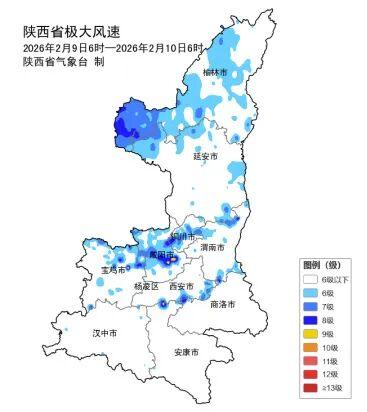
Core Viewpoint - The weather in Shaanxi province is experiencing significant wind and low temperatures, with warnings issued for strong winds and potential sandstorms in various regions [1][4][6]. Weather Conditions - A total of 148 monitoring stations reported wind speeds of 7 levels (13.9-17.1 m/s) or higher, with localized gusts reaching up to 10 levels, particularly in Jingyang where the maximum gust was recorded at 25.8 m/s [1]. - As of this morning, 1727 monitoring stations across 92 districts reported minimum temperatures below 0°C, with the lowest temperature recorded at -12.2°C in Shenmu City [3]. - The Shaanxi Meteorological Observatory has issued a blue warning for strong winds, predicting average wind speeds of 5 levels (8.0-10.7 m/s) and gusts of 7 levels (13.9-17.1 m/s) in several districts [4]. Forecast and Alerts - The forecast indicates that areas in northern Shaanxi, northern Guanzhong, and the Qinling Mountains will experience gusts above 6 levels today, with some regions facing sand or dust storms [6][8]. - A warning has been issued for potential meteorological disasters, urging residents to stay alert and prepared for adverse weather conditions [5][6]. - The weather is expected to remain mostly clear with some clouds, but temperatures will drop by 4-6°C in the coming days [14].
西藏东部将迎频繁降雪,林芝等地有大到暴雪
Xin Lang Cai Jing· 2026-02-08 09:15
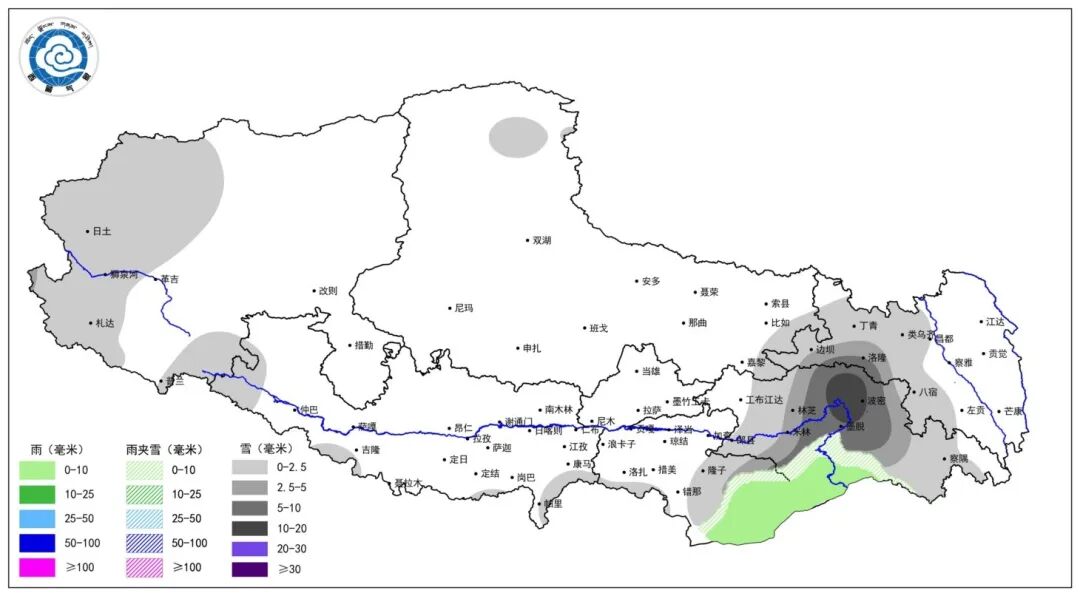
Core Viewpoint - The weather forecast indicates frequent precipitation in the eastern region, with significant snowfall expected in certain areas, particularly in Linzhi and high-altitude regions of Motuo and Bomi, leading to potential secondary disaster risks [1][4]. Weather Forecast Summary - From February 9 to 10, Linzhi will experience overcast skies with light snow, while high-altitude areas may see moderate snow. Other regions will have cloudy conditions with occasional rain or snow [2]. - On February 11 to 12, Linzhi is expected to have light to moderate snow, with some areas experiencing heavy snowfall, particularly in high-altitude regions of Motuo and Bomi. A temperature drop of 3 to 6 degrees Celsius is anticipated following the snowfall [2][3]. - From February 13 to 15, Linzhi and surrounding areas will have cloudy conditions with light snow, while other regions will remain mostly clear [3]. - From February 16 to 18, Linzhi will again see light snow, with moderate snow expected in high-altitude areas [3]. Recommendations from Meteorological Departments - Precautions against secondary disasters are advised due to increased snow depth in Linzhi, which raises the risk of avalanches [4]. - Measures should be taken to mitigate the adverse effects of rain and snow on transportation and livestock production, including road inspections and ensuring safety in major construction areas [4]. - Preparations for increased energy demand due to temperature drops are necessary, along with health precautions for outdoor activities [4]. - Wind-related precautions are recommended to protect transportation and communication infrastructure from strong winds and potential dust storms [4]. Road Conditions and Warnings - A yellow warning for road icing has been issued for Linzhi, with significant snowfall reported in high-altitude areas, leading to icy road conditions [5]. - Traffic and public safety departments are advised to implement measures to address road safety due to snow and ice [6].
国家气象中心:2月预计有4次冷空气过程影响我国
Zhong Guo Xin Wen Wang· 2026-01-29 04:17
Core Viewpoint - The National Meteorological Center predicts four cold air processes affecting China in February, with varying intensity and timing [1][2]. Temperature Summary - Most regions in China will experience temperatures close to or above normal, with southern areas generally 1-2°C higher than usual. However, northern regions such as northern Hebei, central and eastern Inner Mongolia, western Northeast China, northwestern Tibet, and northern Xinjiang will see temperatures 0.5-1°C lower than normal [2]. Precipitation Summary - Precipitation will be uneven, with northern regions experiencing more rainfall compared to southern areas. Specifically, northeastern regions and eastern Inner Mongolia will see precipitation 20-50% above normal, while southeastern China and parts of southwestern China will experience 20-50% less rainfall, with western Yunnan seeing a decrease of 50-80% [2]. Key Areas of Concern - **Cold Weather Impacts**: Northern regions should prepare for strong cold snaps and heavy snowfall, particularly in eastern Inner Mongolia, northeastern areas, northern Hebei, and northern Xinjiang. Recommendations include monitoring weather changes and preparing for agricultural and livestock protection [3]. - **Low-Temperature Rain and Snow**: Areas such as northeastern and central China should be vigilant for low-temperature rain and snow, which could disrupt transportation and energy supply [3]. - **Meteorological Drought Risks**: Southern and southwestern regions may face meteorological drought due to high temperatures and low precipitation. Authorities are advised to manage water resources effectively and enhance fire prevention measures [3]. - **Dust and Low Visibility**: The northwestern regions and southern Xinjiang are expected to experience increased dust days, while the Fenwei Plain and Yangtze River Delta may see more fog or haze, impacting health and transportation [4].
2月有4次冷空气过程影响我国 北方地区将出现阶段性强降温强降雪
Jing Ji Guan Cha Wang· 2026-01-29 03:21
Summary of Key Points Core Viewpoint - The China Meteorological Administration has released the national weather and climate characteristics for January and the climate trend forecast for February, indicating significant weather events and their potential impacts on various sectors. Group 1: January Weather Characteristics - January experienced higher than average temperatures, with a national average of -4.2°C, which is 0.7°C above the normal level. There were four cold air processes, which is 1.2 times more than the average for the same period [2][3] - A strong cold air mass from January 16 to 21 caused significant temperature drops, with some areas experiencing declines over 12°C, affecting approximately 2.78 million square kilometers. Snow and freezing rain were reported in several regions, impacting electricity, transportation, and agriculture [2][3] - The average precipitation in January was 4.5 mm, which is 65.1% less than the normal level, leading to developing meteorological droughts in southeastern East China and eastern South China [3] Group 2: February Climate Trend Forecast - The forecast indicates that temperatures in most regions will be close to or above normal, with southern areas expected to be 1-2°C higher than usual. However, northern regions may experience temperatures 0.5-1°C lower than normal [6][8] - There will be two significant rain and snow events expected on January 29-31 and February 5-7, with potential heavy snowfall in specific areas [5][8] - The forecast highlights the need for vigilance regarding strong cold spells and snow in northern regions, as well as the risk of low-temperature rain and snow in northeastern and central regions [8][9] Group 3: Weather Impact and Recommendations - The report emphasizes the importance of preparing for adverse weather impacts on agriculture, transportation, and energy sectors, particularly in northern regions facing strong cold and snow [8] - There is a need to address the risks of meteorological drought in southeastern and central South China, with recommendations for water resource management and fire prevention measures [10][11] - The increased frequency of dust storms and low visibility weather in northwestern regions necessitates health and transportation safety measures [11]
西藏未来10天将迎三次强降雪,阿里日喀则局地暴雪伴10级大风
Xin Lang Cai Jing· 2026-01-18 12:18
Core Viewpoint - The Tibet Autonomous Region's meteorological department forecasts significant weather changes over the next ten days, including multiple precipitation events and strong winds, which may impact transportation and energy supply [1][2][4][7]. Weather Forecast Summary - From January 19 to 22, the western and southern regions of Ali, as well as central Linzhi and Changdu, are expected to experience overcast skies with light snow or rain, while other areas will have mostly sunny conditions. Strong winds of 7-9 levels and gusts reaching 10-11 levels are anticipated in parts of Naqu, Ali, and southern Changdu [2][4]. - Between January 23 and 25, Ali and southern parts of Shigatse will see light to moderate snow, with heavy snow expected in high-altitude areas from Zhada to Nielamu. Other regions will have cloudy skies with scattered light snow [4][6]. - From January 26 to 28, light to moderate snow is forecasted for western and southern Ali and Shigatse, with some areas experiencing heavy snow. High-altitude regions will also face strong winds of 7-8 levels and gusts of 9-10 levels [7][9]. Recommendations - The meteorological department advises precautions against the adverse effects of rain and snow on transportation and energy supply, particularly in high-altitude areas where snow accumulation may lead to icy roads [9]. - Public health and livestock management should be prioritized during low-temperature conditions, with recommendations for individuals to minimize outdoor activities and for farmers to ensure livestock warmth [9]. - Measures should be taken to mitigate the impact of strong winds on transportation, energy, agriculture, and communication, including securing temporary structures and preventing fire hazards [9].
北方冷空气活动频繁 内蒙古和东北大风降温降雪
Xin Hua She· 2026-01-12 07:03
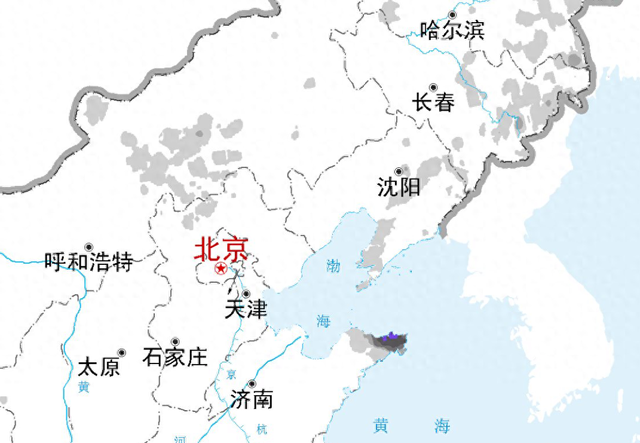
Core Insights - The Central Meteorological Administration forecasts significant cooling and snowfall in eastern Inner Mongolia and Northeast China over the next 10 days, which may adversely affect facility agriculture and livestock production [1] - Northern regions are expected to experience frequent cold air activities, with temperatures 2°C to 5°C lower than the historical average, negatively impacting livestock and facility agriculture [1] - In contrast, most other regions of China will see temperatures 1°C to 3°C higher than usual, benefiting winter wheat, rapeseed, and other in-ground crops [1] Summary by Category Weather Impact on Agriculture - The forecast indicates a need for precautionary measures against adverse weather conditions, particularly for facility agriculture and livestock in the affected northern regions [1] - Recommendations include managing winter wheat areas based on seedling conditions and soil moisture to ensure safe overwintering [1] Crop Management Recommendations - Southern regions are advised to enhance field management for rapeseed, in-ground vegetables, and economic crops by applying fertilizers and loosening soil to improve weak seedlings' resilience to cold [1] - In Northeast China and eastern Inner Mongolia, it is suggested to reinforce greenhouses and livestock shelters to prepare for the adverse effects of strong winds, cooling, and snowfall [1] Additional Weather Conditions - The Central Meteorological Administration also predicts frequent cold air activities in the coming week, with temperature fluctuations in northern areas and potential sandstorm conditions in regions like Inner Mongolia and Gansu [1]
注意防范!北方大风+降雪+降温影响这些区域
Xin Lang Cai Jing· 2026-01-11 03:46
Group 1 - Strong snowfall occurred in Shandong and Jilin, with heavy snow reported in local areas of Weihai and Yantai [1] - Wind and temperature drops were observed in North China and the Huanghuai region, with gusts reaching 6 to 9 levels, and some areas exceeding level 10 [3] - Temperature decreased by 4 to 8 degrees Celsius in parts of Inner Mongolia, Northeast China, North China, Huanghuai, and other regions [4][5] Group 2 - The Central Meteorological Observatory forecasts strong winds, temperature drops, and snowfall in Inner Mongolia and Northeast China over the next three days, with temperatures expected to drop by 4 to 6 degrees Celsius, and locally over 8 degrees [7] - Snowfall is anticipated in Shandong Peninsula, Inner Mongolia, Heilongjiang, Jilin, and northern Xinjiang, with local heavy snow expected in certain areas [7] - A blue warning for strong winds has been issued, predicting winds of 5 to 7 levels and gusts of 8 to 10 levels in various regions, including the Bohai Sea and Yellow Sea [7][8]
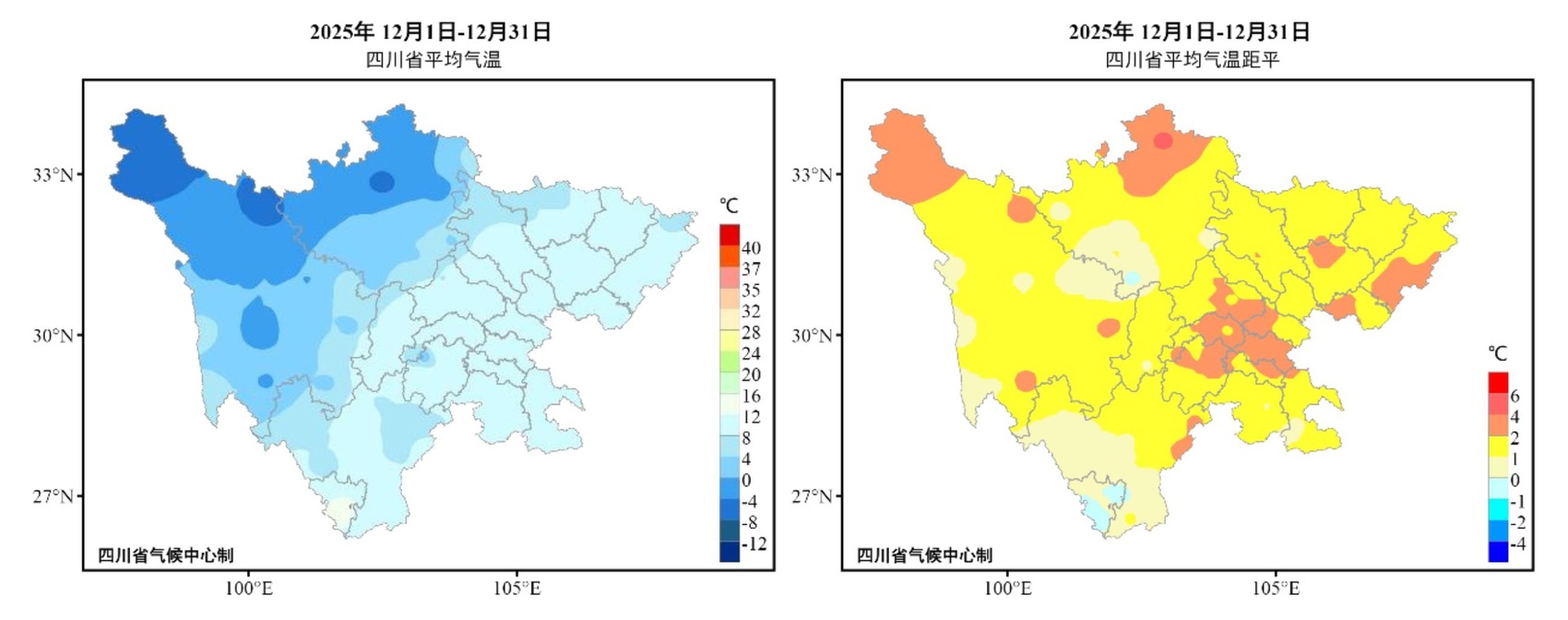
四川2025年12月暖出新高度!预计本月有三次降温降水过程,气象专家提醒→
Xin Lang Cai Jing· 2026-01-03 14:06
Core Insights - The average temperature in Sichuan province reached a historical high for December 2025, with an average of 7.7°C, which is 1.6°C higher than the normal level, marking the highest on record for this period [1] - Precipitation in December 2025 was significantly below average, with an average of 5.7 mm, which is 42% less than the normal level, ranking as the 10th lowest on record [3] - The province is expected to experience three major weather events in January 2026, with average temperatures projected to be 5.5 to 6.0°C, slightly above the normal [7] Temperature and Precipitation Summary - December 2025 saw an average temperature of 7.7°C, which is 1.6°C above the historical average, with most areas in the basin experiencing temperature increases of 1.0 to 2.2°C [1] - The average precipitation for December 2025 was 5.7 mm, which is 42% lower than the historical average, with 39 out of 156 weather stations reporting no precipitation [3] - January 2026 is expected to have an average precipitation of 10 to 12 mm, close to the normal level of 10.8 mm, with varying precipitation levels across different regions [7] Drought Conditions - Meteorological drought is primarily affecting the central part of the western plateau and parts of the western basin, with 52 out of 156 weather stations reporting drought conditions [5] - The drought conditions include 17 stations with light drought, 23 with moderate drought, 10 with severe drought, and 2 with extreme drought, mainly concentrated in Chengdu, Ya'an, and Meishan [5] Weather Forecast and Alerts - The three major weather events expected in January 2026 include temperature drops and precipitation, with specific dates outlined for expected weather changes [8] - The first event is from January 2 to 5, with slight temperature drops and possible snow or rain in various regions [8] - Experts recommend precautions against forest fires, pest outbreaks, and air pollution due to expected weather conditions, emphasizing the need for careful management of fire risks and monitoring of agricultural conditions [9][10]
宁夏将遭遇降雨大风降温天气
Zhong Guo Xin Wen Wang· 2025-10-15 13:14
Core Viewpoint - Ningxia is expected to experience significant weather changes, including rain, strong winds, and temperature drops from October 16 to 17 due to a strong cold air mass moving into the region [1] Weather Forecast - Rainfall is anticipated mainly during the daytime and nighttime of October 16, with light rain (0.1mm to 10mm) across Ningxia, and moderate rain (10mm to 20mm) specifically in Guyuan City [1] - The Helan Mountain and Liupan Mountain areas are forecasted to transition to sleet after midnight on October 16 [1] Wind and Temperature Changes - Strong winds are expected, with gusts reaching 7 to 9 levels, alongside a temperature drop of 6°C to 8°C [1] - Starting from October 16, a noticeable decrease in temperature is predicted, with the average temperature on October 17 dropping by 6°C to 8°C compared to October 15 [1] - On October 17, the maximum temperature in Ningxia is expected to range from 9°C to 12°C, while the minimum temperature on October 18 could drop to between -1°C and 3°C [1] - From October 19 to 20, maximum temperatures will remain between 10°C and 18°C, with minimum temperatures ranging from -2°C to 5°C [1] Recommendations - The meteorological department advises preparing for the transportation of kerosene and gas to ensure energy supply safety [1] - It is recommended to proactively manage operational risks to maintain the stability of the power system [1] - The Ningxia Meteorological Bureau will closely monitor weather changes and enhance information sharing and emergency coordination with the Central Meteorological Observatory [1]