氢排放

Search documents
研究:全球变暖,氢排放“有份”
Xin Hua She· 2025-12-20 05:14
Group 1 - The core finding of the research indicates that hydrogen emissions indirectly contribute to global warming, accounting for a temperature increase of 0.02 degrees Celsius from 1990 to 2020 [1][2] - The increase in hydrogen emissions is primarily due to human activities, particularly the decomposition of methane and other compounds, with annual emissions rising by approximately 4 million tons since 1990, reaching 27 million tons by 2020 [2] - The study highlights a vicious cycle where increased methane leads to more hydrogen emissions, which in turn prolongs methane's atmospheric presence, exacerbating global warming [2][3] Group 2 - Researchers emphasize the need for a deeper understanding of the global hydrogen cycle and its relationship with global warming, as hydrogen emissions may diminish the benefits of using hydrogen energy as a substitute for fossil fuels [3]


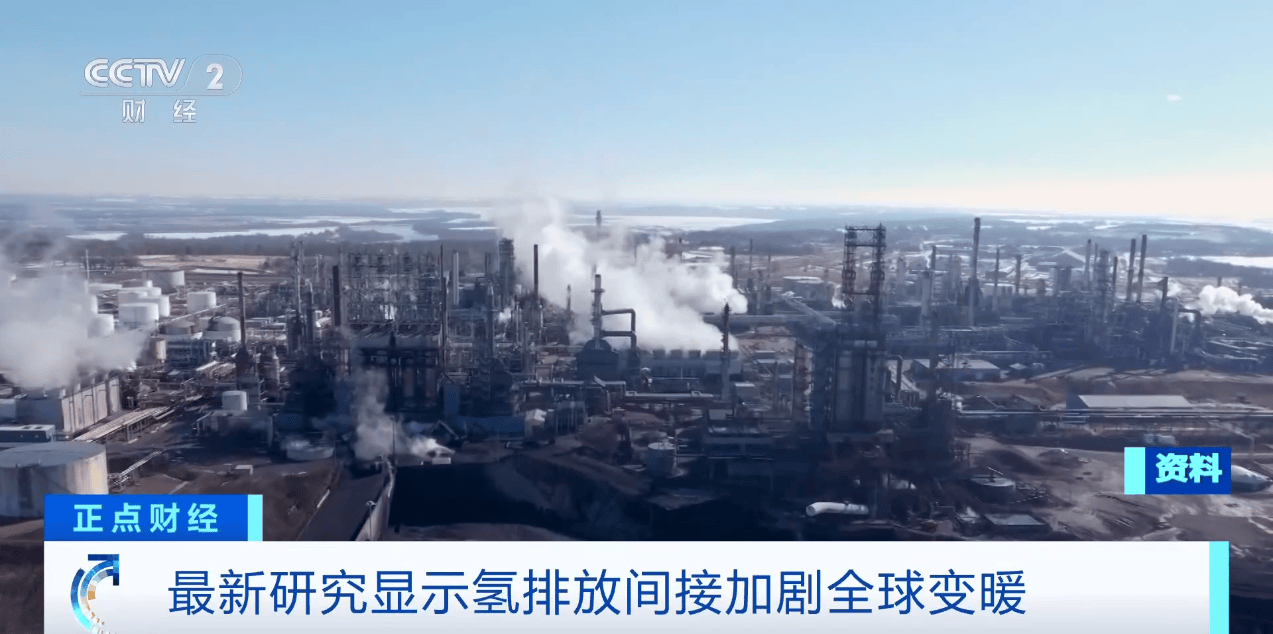
最新研究显示氢排放间接加剧全球变暖
Sou Hu Cai Jing· 2025-12-19 08:52
Core Viewpoint - Hydrogen emissions may indirectly exacerbate global warming, necessitating attention to their impact to ensure hydrogen serves as a clean energy source [1][3]. Group 1: Research Findings - A study by the Global Carbon Project indicates that cumulative hydrogen emissions from 1990 to 2020 contributed to a 0.02°C increase in global average temperature [3]. - The primary reason hydrogen exacerbates global warming is its consumption of natural substances in the atmosphere that break down greenhouse gases like methane [3]. - Increased hydrogen in the atmosphere reduces these natural purifiers, extending methane's atmospheric lifetime and contributing to warming [3]. Group 2: Sources of Hydrogen Emissions - The rise in global hydrogen emissions from 1990 to 2020 is primarily attributed to human activities, particularly the decomposition of compounds like methane [5]. - The rapid increase of methane in the atmosphere is linked to fossil fuel use, agricultural production, and landfill activities [5]. - There exists a vicious cycle where methane decomposition produces hydrogen, and increased methane leads to more hydrogen, which in turn prolongs methane's atmospheric presence, causing further harm [5]. Group 3: Implications for Clean Energy - The indirect effects of hydrogen emissions on global warming may diminish the benefits of using hydrogen energy as a substitute for fossil fuels [5].
研究:全球变暖 氢排放“有份”
Xin Hua She· 2025-12-18 14:32
Core Insights - Hydrogen emissions indirectly contribute to global warming, with a cumulative impact of 0.02 degrees Celsius on the global average temperature from 1990 to 2020 [1][4] Group 1: Hydrogen Emissions and Global Warming - The main reason hydrogen gas exacerbates global warming is its consumption of natural substances in the atmosphere that break down greenhouse gases like methane [4] - Increased hydrogen in the atmosphere leads to a reduction in these natural purifying substances, extending methane's residence time and worsening warming [4] - Hydrogen emissions are primarily sourced from human activities, particularly the decomposition of compounds like methane, which is rapidly increasing due to fossil fuel use, agricultural production, and landfill activities [4] Group 2: Trends and Estimates - Since 1990, the annual hydrogen emissions from methane decomposition have increased by approximately 4 million tons, reaching 27 million tons per year by 2020 [4] - From the industrial era until 2003, atmospheric hydrogen concentration rose by about 70%, stabilizing briefly before rising again around 2010 [4] - The relationship between hydrogen emissions and methane increase creates a vicious cycle: methane decomposition produces hydrogen, more methane leads to more hydrogen, and increased hydrogen prolongs methane's atmospheric presence [4] Group 3: Implications for Clean Energy - The indirect impact of hydrogen emissions on global warming may diminish the benefits of replacing fossil fuels with hydrogen energy [5] - There is a need for deeper understanding of the global hydrogen cycle and its connection to global warming [5]

报告:氢排放,加剧全球变暖
中国能源报· 2025-12-18 12:12
Core Viewpoint - A recent study published in the British journal "Nature" indicates that hydrogen emissions indirectly contribute to global warming, with a cumulative contribution of 0.02 degrees Celsius to the rise in global average temperature from 1990 to 2020 [1][3]. Group 1: Hydrogen Emissions and Global Warming - The study highlights that hydrogen emissions consume natural substances in the atmosphere that can decompose methane, leading to an increased retention time of methane in the atmosphere and exacerbating warming [3]. - The increase in hydrogen emissions from 1990 to 2020 is primarily attributed to human activities, particularly the decomposition of compounds like methane, which has surged due to fossil fuel use, agricultural production, and landfill activities [3][4]. - Since the industrial era, atmospheric hydrogen concentration has risen by approximately 70% until 2003, with a brief stabilization before rising again around 2010 [3]. Group 2: Implications for Hydrogen as Clean Energy - The indirect effects of hydrogen emissions on global warming may diminish the benefits of replacing fossil fuels with hydrogen energy, indicating a need for deeper understanding of the global hydrogen cycle and its relationship with global warming [4].