深水区

Search documents
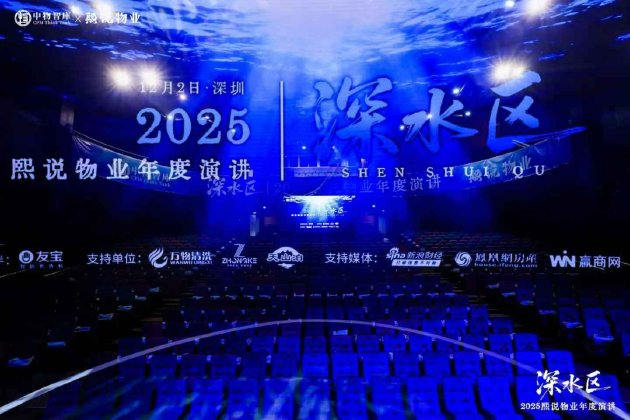
2025熙说物业年度演讲:深水区(演讲全文)
Xin Lang Cai Jing· 2025-12-02 12:22
Core Viewpoint - The 2025 Xi Shuo Property Annual Speech held in Shenzhen focuses on the theme "Deep Water Zone," addressing the challenges and transformations in the property management industry, emphasizing the need for reform and innovation to navigate current difficulties [1][4][7]. Group 1: Historical Context - The property management industry has evolved over 40 years, with total revenue reaching 16.9 trillion yuan and over 60 listed property companies, highlighting its growth and the challenges of maintaining rationality amidst rapid expansion [5]. - The theme "Deep Water Zone" symbolizes the industry's current state, where deeper issues and challenges require more advanced skills and strategies to navigate [9][10]. - Historical issues in the industry include outdated regulations, misalignment of interests among stakeholders, and a lack of effective management mechanisms, which have created systemic challenges [11][12]. Group 2: Current Challenges - The industry faces significant conflicts, including dissatisfaction with service quality, operational difficulties for property companies, and price competition leading to a decline in service standards [11][12]. - The "retreat wave" phenomenon indicates that property companies are exiting unprofitable projects, often due to owners' unwillingness to pay adequate fees, leading to service disruptions and community dissatisfaction [22][23]. - The lack of a strong "client" presence in property management, where owners do not actively participate in governance, exacerbates existing issues and hinders effective decision-making [34][36]. Group 3: Future Directions - The future of the property management industry lies in embracing new technologies and opportunities, such as facility management, asset management, and AI, to address emerging challenges [12]. - The industry must shift from a focus on short-term gains to a long-term service-oriented approach, emphasizing the importance of professional management and community engagement [57][60]. - The need for a comprehensive service model that integrates functionality, emotional value, and social responsibility is crucial for enhancing service quality and community satisfaction [79][81].