清洁印度

Search documents
印度究竟有多脏?首都垃圾山20层楼高……
36氪· 2026-01-18 14:09
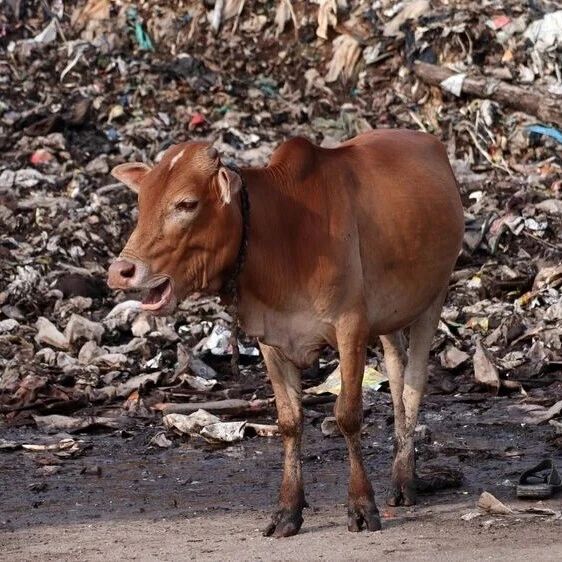
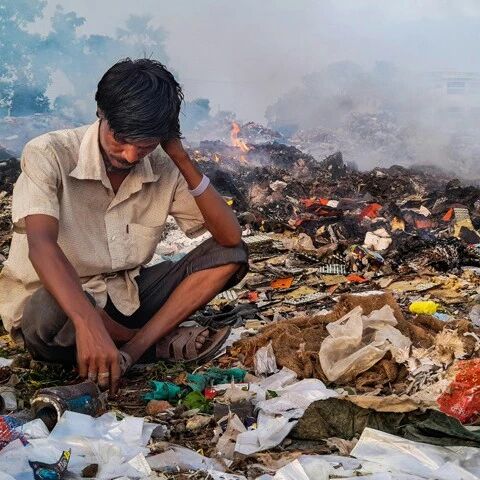
以下文章来源于地球知识局 ,作者地球知识局 地球知识局 . 人文+地理+设计,全球视野新三观。 合作请联系:xiaobaibai_9999(注明品牌和需求) 一场正在失控的人造灾难。 文 | 林间草木声 编辑 | Alicia 来源| 地球知识局(ID:diqiuzhishiju) 封面来源 | pexels 在距离印度首都新德里市中心10公里的地方,耸立着一座 60米高的垃圾山 Ghazipur Landfill。 2024年4月21号晚上, 这座"山"燃起熊熊大火,并且不断释放有毒气体 ,烧了整整一晚才灭掉。 要知道, 从垃圾山到印度门只有9公里 ,到莫迪的官邸才12公里。而且这座垃圾山着火也不是头一回了:2020年和2022年都烧过,2017年还发生过山体滑 坡砸死了人。 如此靠近核心区的地方,都有这样的巨型垃圾山, 可见印度的垃圾问题,已经到了"围国"的地步。 印度人 到底扔了多少垃圾? 其实在全印度范围内, 新德里的"小珠峰"绝非孤例: 印度的"上海"孟买,就有一座始于1927年的 迪昂纳垃圾山 ,是真正的老字号, 高达13层楼 ,在2016年就烧了四次。 类似的"地标",在班加罗尔(Mittaga ...

印度究竟有多脏?
虎嗅APP· 2026-01-18 03:27
Core Viewpoint - The article highlights the severe waste management crisis in India, particularly in urban areas, where massive garbage mountains pose environmental and health risks. The situation is exacerbated by inadequate infrastructure and corruption, leading to a significant portion of waste remaining unprocessed [4][25]. Group 1: Garbage Mountains and Urban Waste - In New Delhi, the Ghazipur Landfill stands 60 meters high, close to key government areas, indicating the critical state of waste management in the capital [5][6]. - Other major cities like Mumbai and Bangalore also have similar garbage mountains, with the Diona landfill in Mumbai dating back to 1927 and reaching 13 stories high [8]. - India generates approximately 1.7 million tons of waste annually, with New Delhi producing over 10,000 tons daily, reflecting a per capita waste generation of around 500 grams [9][11]. Group 2: Waste Management Infrastructure - India lacks modern landfill facilities, with only half of the planned 1,244 landfills operational, many of which are outdated and overloaded [15][17]. - The country faces a "triple shortage" of funds, land, and skilled labor, hindering the establishment of effective waste management systems [17][18]. Group 3: Waste Incineration Challenges - India has 14 waste-to-energy incineration plants, but many are non-operational due to poor waste quality, with a high moisture content that makes burning ineffective [21][22]. - Corruption in project management has led to poorly constructed incineration facilities that do not adequately address pollution, resulting in harmful emissions [22][25]. Group 4: Rural Waste Management Issues - The rural population, exceeding 900 million, contributes to waste problems with minimal waste management capabilities, leading to pollution of water sources like the Ganges River [27][28]. - Despite government initiatives to improve sanitation and waste management, many rural areas still lack basic facilities, and the effectiveness of these initiatives is often overstated [28][30]. Group 5: Broader Implications - The pervasive waste issue in India reflects deeper societal challenges, including a lack of respect for public health and environmental standards, which complicates efforts for sustainable waste management [32].