港股市场价值重估

Search documents
中国投资者布局港股市场在买什么?
Zhong Guo Ji Jin Bao· 2025-12-03 23:29
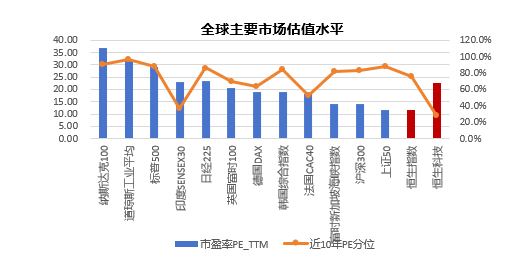
Core Viewpoint - The Hong Kong stock market has emerged as a "dark horse," leading global markets with significant gains, driven by valuation advantages, improved asset quality, continuous capital inflow, and market ecosystem reshaping [1][2]. Valuation and Investment Attractiveness - The Hong Kong stock market offers a notable valuation discount, with the Hang Seng Index's price-to-earnings (P/E) ratio at 11.99, the lowest among major global indices, providing a substantial safety margin for future performance [4]. - The market has become a critical window for observing China's new economic developments, particularly in sectors like AI, biotechnology, and high-end manufacturing [5]. Capital Inflow and Market Dynamics - The influx of "southbound funds" has been a key narrative, with net purchases through the Hong Kong Stock Connect reaching a record 1.38 trillion HKD, accounting for over 20% of trading volume [7]. - As of the end of Q3 2025, the market capitalization held by southbound funds exceeded 6.3 trillion HKD, representing 12.7% of the total market, with insurance and public funds making up over 40% of this [8]. New Listings and Market Activity - The Hong Kong stock market has seen a significant increase in IPO activity, with 91 IPOs raising a total of 259.065 billion HKD, reflecting strong investor interest and market vitality [6]. - The performance of new stocks has been robust, with only 9 out of 48 new listings declining on their debut, indicating a strong recognition of quality assets [6]. Future Outlook and Investment Strategies - The Hong Kong market is on a path of value re-evaluation, with expectations of a second round of valuation recovery and performance rebound in 2026, particularly in technology, healthcare, and consumer sectors [14]. - Index-based investment is highlighted as an efficient way for investors to participate in the market, with a diverse range of ETFs available to meet varying investor needs [11][12].