溶洞保护

Search documents
垃圾成堆、钟乳石被售卖——天然溶洞遭破坏调查
Xin Hua Wang· 2025-08-05 00:28
Core Viewpoint - The investigation reveals significant environmental damage to natural caves in China, primarily due to pollution and illegal exploitation of geological resources, particularly stalactites, which are being sold in various markets [1][4][6]. Group 1: Pollution and Damage to Caves - Recent reports indicate that natural caves in Hunan Province have been heavily polluted with garbage, with some areas having trash piled up "seven to eight stories high" [2]. - In Bijie City, Guizhou Province, a cave accumulated over 10 tons of household waste due to villagers dumping trash, leading to water quality issues downstream [2]. - In some regions, caves have been sealed off due to continuous garbage dumping by locals, highlighting a growing environmental concern [2][3]. Group 2: Illegal Trade of Stalactites - The illegal sale of stalactites has been exacerbated by insufficient protection measures, with many being marketed as decorative items or medicinal products on e-commerce platforms [4][5]. - Prices for stalactite ornaments range from tens to hundreds of thousands of yuan, indicating a lucrative market that encourages further exploitation [4]. - Reports suggest that some sellers directly extract stalactites from caves, contributing to the ongoing destruction of these natural formations [5][6]. Group 3: Protection Measures and Recommendations - Current regulations mandate the protection of geological sites with significant scientific and cultural value, yet enforcement remains weak [7]. - Experts advocate for a comprehensive inventory of cave resources and the establishment of protective measures tailored to the ecological and tourism potential of each cave [8]. - There is a call for improved legal frameworks and public awareness campaigns to enhance the protection of caves and their ecosystems [8].
“溶洞游”打造假日消费新场景 这个“五一”一起去探索溶洞奇幻魅力
Yang Shi Wang· 2025-05-02 03:01
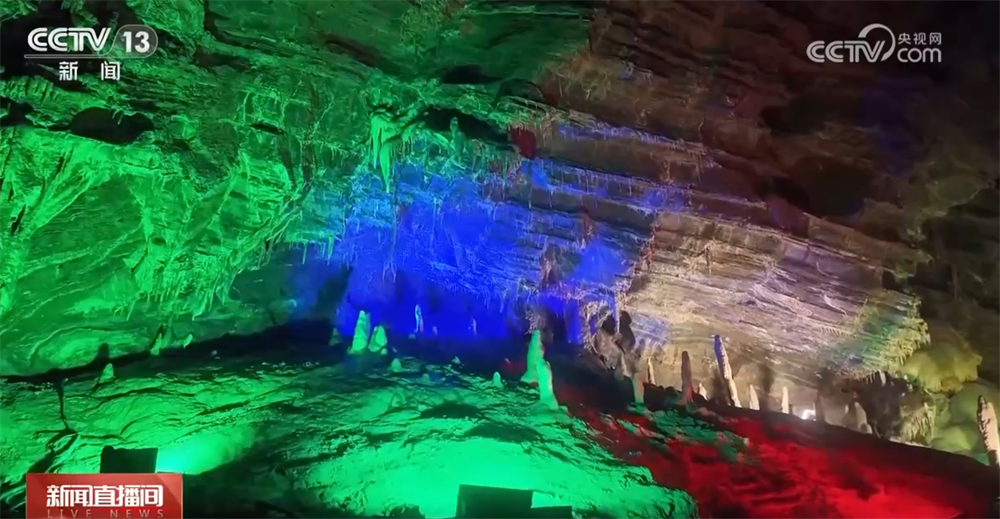
Core Insights - The unique cave exploration activities in Beijing's Fangshan district have gained popularity among tourists during the "May Day" holiday, with significant visitor numbers reported [1][3] - The local government and tourism operators are emphasizing the importance of protecting these geological treasures while promoting tourism [4][6] Group 1: Tourist Attraction and Visitor Statistics - The Silver Fox Cave features various geological formations and typically receives around 600 visitors on weekends, with daily numbers exceeding 1,000 during the holiday [3] - The Yunshui Cave, another significant cave in Beijing, is 613 meters long and formed between 400 million to 1 billion years ago, also experiencing an increase in visitor numbers during the holiday [4] Group 2: Environmental Protection and Awareness - Experts highlight the need for visitors to avoid touching stalactites and other formations to prevent damage caused by pollen and spores from human contact [8] - The geological formations in these caves, primarily composed of soluble rocks like dolomite, took millions of years to develop, underscoring the importance of conservation [6] Group 3: Economic Impact and Local Development - The popularity of cave tourism has led to the development of new business opportunities in the surrounding areas, including the establishment of 50 guesthouses in Shangying Water Village [10] - Local tourism initiatives include offering fresh seasonal produce in restaurants and activities like mining-themed train rides and camping during the holiday [10]