潮流指数

Search documents
一线城市在看马斯克,五线城市在读马克思
Hu Xiu· 2025-07-16 01:51
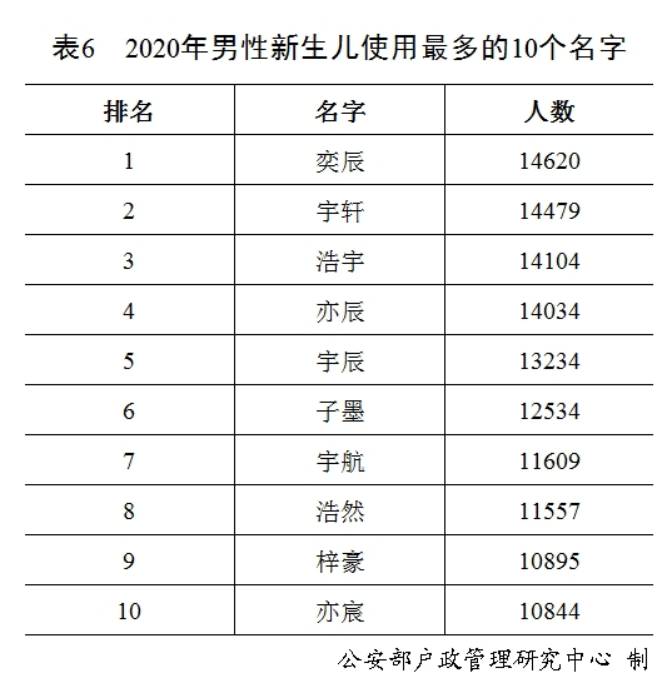
Group 1 - The article discusses the rise of blind box products like Labubu, highlighting the contrasting consumer reactions and questioning the origins and future of this trend [1] - It introduces the concept of names as a cultural trend, reflecting societal changes and preferences over time [3][4] - The article presents data from the National Name Report, showing the popularity of certain names and their correlation with urban development [6][11] Group 2 - The analysis of name trends reveals that different cities exhibit distinct preferences, with first-tier cities leading in the adoption of names like "俊杰" and "欣怡" [12][14] - The relationship between name popularity and GDP indicates that names favored in developed cities tend to grow faster in those regions, while names popular in less developed areas show the opposite trend [15][17] - The article notes a shift in naming trends over the past 30 years, with lower-tier cities increasingly influencing national trends [25][26] Group 3 - The article compares naming trends to consumer behavior in other sectors, such as books and digital products, showing that high-tech and trendy items are favored in developed cities, while traditional items thrive in lower-tier cities [31][35] - It emphasizes the importance of understanding the underlying societal changes that drive consumer trends, linking them to broader demographic shifts and economic conditions [38][39]