消费潮流

Search documents
咖啡赛道潮向标杆!瑞幸小黄油拿铁荣获财经网“年度爆款咖啡单品”殊荣
Cai Jing Wang· 2025-12-29 10:49
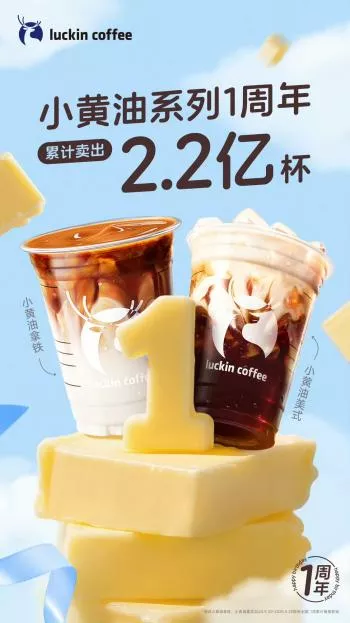
Core Insights - Luckin Coffee's new product, the "Little Yellow Butter Latte," has successfully captured market attention due to its innovative flavor and clean formulation, aligning with the health-conscious trends of younger consumers [1][2] - The product has achieved the highest repurchase rate among new offerings in 2024, indicating strong consumer demand and satisfaction [1] - The "Little Yellow Butter Latte" was awarded "Annual Best-Selling Coffee Product" in the 2025 New Consumption and New Economy Awards, highlighting its market resonance and quality [1][4] Product Innovation - The "Little Yellow Butter Latte" combines the rich aroma of butter, creamy milk, and coffee, creating a unique flavor profile that appeals to the desire for individual expression and taste experiences among young consumers [1] - The product is developed using a digital research and development system, ensuring it is free from trans fats, artificial sweeteners, and other undesirable ingredients, thus meeting the growing health consumption demands [1] Market Impact - The success of the "Little Yellow Butter Latte" not only generates commercial value but also serves as a model for innovation in the coffee industry, driving industry upgrades and providing insights into consumer trends [2] - Luckin Coffee's commitment to quality, supported by a global sourcing strategy and a robust supply chain, enables the delivery of high-quality products and services to consumers [2] Brand Development - The product's emergence reflects the practice of "new trends and value co-existence," showcasing Luckin Coffee's dedication to understanding user needs and capturing consumption trends [4] - By continuously innovating and developing new products, Luckin Coffee contributes to the healthy development of the new consumption ecosystem and injects sustained momentum into the industry [4]


一线城市在看马斯克,五线城市在读马克思
Hu Xiu· 2025-07-16 01:51
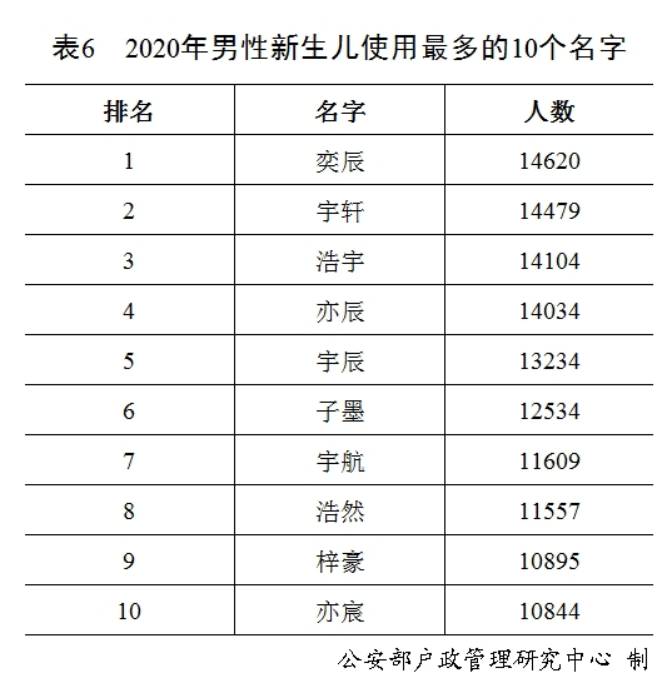
Group 1 - The article discusses the rise of blind box products like Labubu, highlighting the contrasting consumer reactions and questioning the origins and future of this trend [1] - It introduces the concept of names as a cultural trend, reflecting societal changes and preferences over time [3][4] - The article presents data from the National Name Report, showing the popularity of certain names and their correlation with urban development [6][11] Group 2 - The analysis of name trends reveals that different cities exhibit distinct preferences, with first-tier cities leading in the adoption of names like "俊杰" and "欣怡" [12][14] - The relationship between name popularity and GDP indicates that names favored in developed cities tend to grow faster in those regions, while names popular in less developed areas show the opposite trend [15][17] - The article notes a shift in naming trends over the past 30 years, with lower-tier cities increasingly influencing national trends [25][26] Group 3 - The article compares naming trends to consumer behavior in other sectors, such as books and digital products, showing that high-tech and trendy items are favored in developed cities, while traditional items thrive in lower-tier cities [31][35] - It emphasizes the importance of understanding the underlying societal changes that drive consumer trends, linking them to broader demographic shifts and economic conditions [38][39]