火文化

Search documents
归乡记 | 衡阳,那一抹永不褪色的火
格隆汇APP· 2026-02-14 10:17
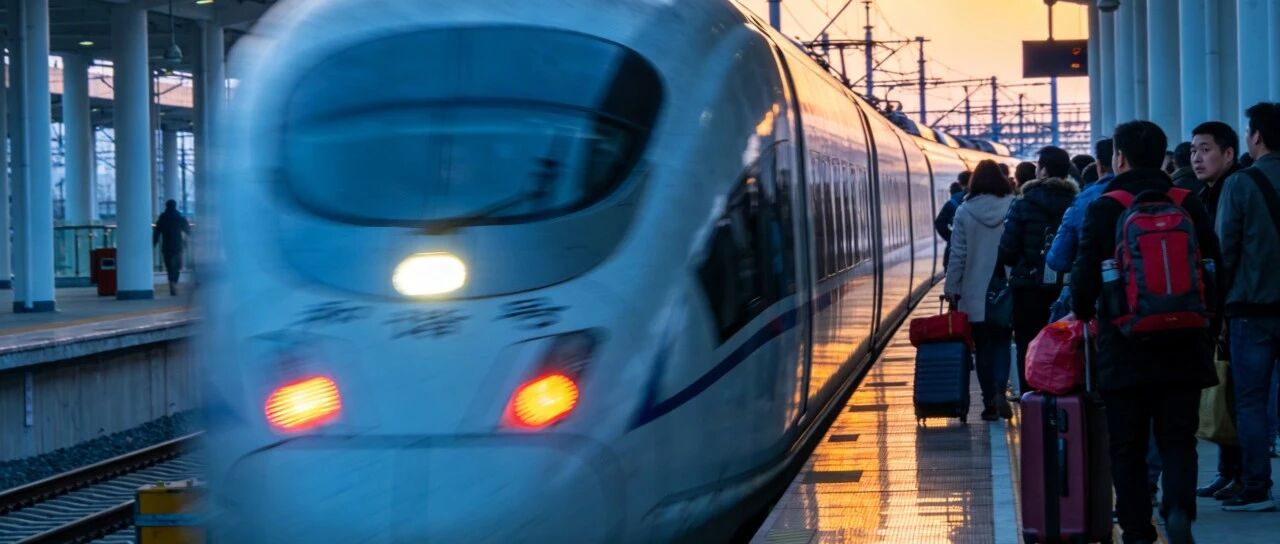
Core Viewpoint - The article emphasizes the significance of ordinary people's journeys home during the annual migration, highlighting the emotional weight of these experiences and the cultural importance of returning to one's roots [1]. Group 1: The Journey Home - The journey back to hometowns is marked by a mix of nostalgia and modernity, with high-speed trains symbolizing the rapid changes in transportation while the emotional connection to home remains unchanged [5][6]. - The article describes the transformation of travel from long hours on traditional trains to a swift three-hour journey on high-speed trains, illustrating technological advancements [6]. - The author reflects on the familiar sights and sounds upon returning to Hengyang, a city that balances modern development with historical significance [6][12]. Group 2: Cultural Significance - Hengyang is portrayed as a city rich in fire culture, which symbolizes hope and warmth, deeply embedded in the local traditions and celebrations [8]. - The article discusses the historical context of Hengyang, noting its evolution from a political and cultural center to its current status as a provincial sub-center city [10][12]. - The narrative highlights the contrast between the city's historical legacy and the current demographic challenges, such as an aging population and the decline of traditional community structures [13][22]. Group 3: The Essence of Home - The article captures the essence of home through the lens of personal memories and the enduring connections to community spaces like tea houses, which serve as cultural touchstones [16]. - The author notes that despite the changes in social dynamics and urban development, the spirit of the hometown persists, symbolized by the ongoing reverence for cultural traditions [20]. - The concluding thoughts reflect on the balance between modernity and tradition in Hengyang, suggesting that the city's identity is shaped by both its historical roots and contemporary developments [22][23].