
城市变迁

Search documents
归乡记 | 衡阳,那一抹永不褪色的火
格隆汇APP· 2026-02-14 10:17
Core Viewpoint - The article emphasizes the significance of ordinary people's journeys home during the annual migration, highlighting the emotional weight of these experiences and the cultural importance of returning to one's roots [1]. Group 1: The Journey Home - The journey back to hometowns is marked by a mix of nostalgia and modernity, with high-speed trains symbolizing the rapid changes in transportation while the emotional connection to home remains unchanged [5][6]. - The article describes the transformation of travel from long hours on traditional trains to a swift three-hour journey on high-speed trains, illustrating technological advancements [6]. - The author reflects on the familiar sights and sounds upon returning to Hengyang, a city that balances modern development with historical significance [6][12]. Group 2: Cultural Significance - Hengyang is portrayed as a city rich in fire culture, which symbolizes hope and warmth, deeply embedded in the local traditions and celebrations [8]. - The article discusses the historical context of Hengyang, noting its evolution from a political and cultural center to its current status as a provincial sub-center city [10][12]. - The narrative highlights the contrast between the city's historical legacy and the current demographic challenges, such as an aging population and the decline of traditional community structures [13][22]. Group 3: The Essence of Home - The article captures the essence of home through the lens of personal memories and the enduring connections to community spaces like tea houses, which serve as cultural touchstones [16]. - The author notes that despite the changes in social dynamics and urban development, the spirit of the hometown persists, symbolized by the ongoing reverence for cultural traditions [20]. - The concluding thoughts reflect on the balance between modernity and tradition in Hengyang, suggesting that the city's identity is shaped by both its historical roots and contemporary developments [22][23].

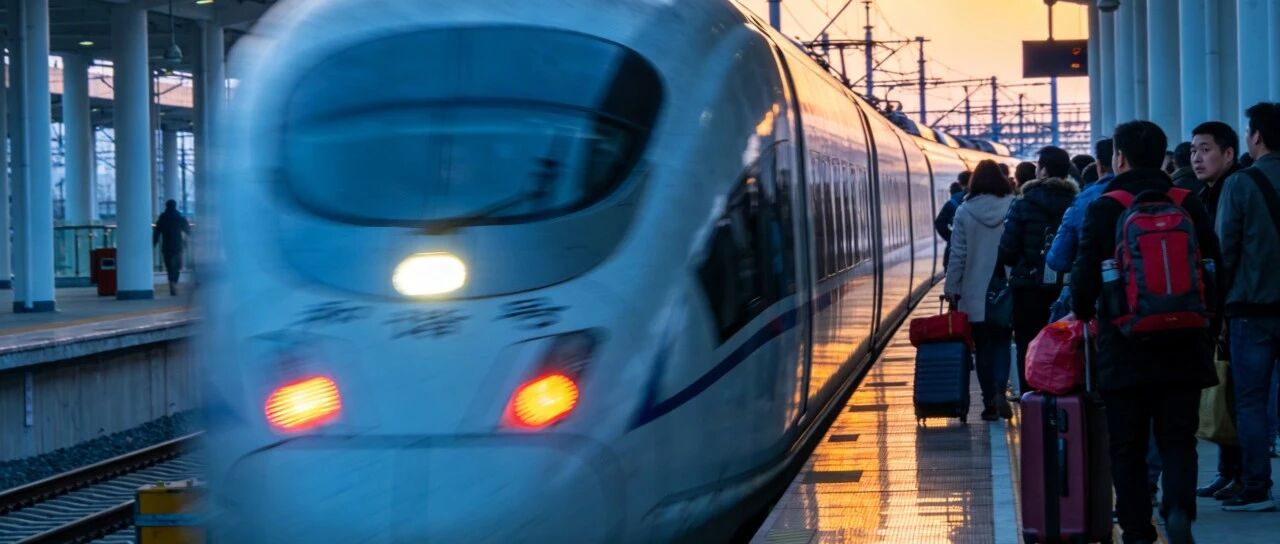
伊斯坦布尔:是的,它只是美
Jing Ji Guan Cha Bao· 2026-02-10 10:07
Core Perspective - Istanbul is a unique city that straddles two continents, Europe and Asia, connected by the Bosphorus Strait, which has historical significance as a vital passage between the Black Sea and the Mediterranean [1] Group 1: Cultural Significance - The Blue Mosque, known for its stunning Iznik tiles, features six minarets and a grand dome, symbolizing the architectural prowess of the Ottoman Empire [2][3] - Hagia Sophia showcases a complex history, having served as a cathedral, mosque, and museum, reflecting the cultural and religious transformations over 1,500 years [4][5] - The Grand Bazaar, established in 1461, operates as a vibrant marketplace with over 4,000 shops, attracting around 250,000 visitors daily, representing the bustling commercial life of Istanbul [7][8] Group 2: Daily Life and Local Experience - The local markets offer a sensory experience with vivid colors and aromas, showcasing the everyday life of Istanbul's residents, distinct from the historical narratives [9][10] - Small, family-run cafes and shops provide a glimpse into the intimate, personal interactions that characterize the city's social fabric [9][10] - The ferry rides across the Bosphorus allow for a unique perspective of the city, highlighting the geographical and cultural dichotomy between the European and Asian sides [11][12] Group 3: Architectural and Historical Layers - The architectural features of Hagia Sophia, such as its massive dome and intricate mosaics, illustrate the blending of Christian and Islamic art [5][6] - The Grand Bazaar's design and structure reflect centuries of history, having survived numerous disasters while evolving into a complex marketplace [7] - The Bosphorus Bridge, completed in 1973, symbolizes the connection between two continents and cultures, embodying the city's dual identity [12]
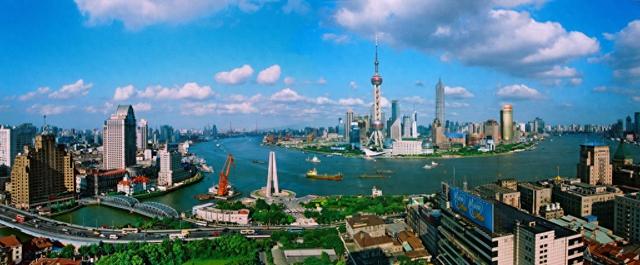
25位摄影师,25年上海
Xin Lang Cai Jing· 2026-02-09 11:00
Core Insights - The article reflects on the transformation of Shanghai over the past 25 years, showcasing the evolution of its skyline and urban landscape through the lens of various photographers [1][5][9]. Group 1: Urban Transformation - The rapid development of the Lujiazui financial district is highlighted, contrasting with the historical architecture of the Bund [5]. - Photographers document the changing cityscape, capturing moments that reflect both the physical changes and the emotional resonance of urban life [9][15]. - The series of photographs illustrates the transition from industrial spaces to modern urban environments, emphasizing Shanghai's ability to reinvent itself [29][33]. Group 2: Personal Narratives - Individual photographers share personal stories and memories tied to specific locations in Shanghai, creating a narrative that intertwines personal history with the city's evolution [12][40]. - The emotional connection to the city is evident as photographers express their experiences and reflections on the changes they have witnessed over the years [49][75]. - The juxtaposition of old and new in the photographs serves to highlight the continuity of life amidst urban development [74][106]. Group 3: Cultural Significance - The article emphasizes the cultural importance of photography as a medium for documenting and preserving the history of Shanghai [1][88]. - It showcases how photography captures the essence of daily life and the unique character of different neighborhoods, contributing to a broader understanding of the city's identity [105][106]. - The interplay between modernity and tradition is a recurring theme, illustrating how Shanghai's past informs its present and future [93][94].
80幅速写里的长沙: 青春和烟火皆有留痕
Xin Lang Cai Jing· 2026-02-08 19:33
Core Viewpoint - The article highlights the artistic journey of a local art teacher, Tang Leilei, who has created 80 black-and-white sketches to document the rapid changes in Changsha over the past two decades, reflecting her personal memories and the city's evolution [2][3][4]. Group 1: Artistic Endeavor - Tang Leilei has spent a year traveling through over 80 streets in Changsha, creating sketches that capture the essence of the city and her memories associated with it [2][3]. - The sketches serve as a visual record of the transformation of Changsha, particularly the changes in old neighborhoods that have been revitalized [3]. Group 2: Personal Connection - The motivation behind the sketches stems from Tang's desire to preserve the memories of her youth and the city's history, as she has lived in Changsha for nearly twenty years [3]. - A memorable encounter during her sketching process involved an elderly man sharing his nostalgic story about a past love, illustrating the emotional connections tied to the locations she depicts [3]. Group 3: Title and Purpose - The collection of sketches is titled "Impression of Changsha," symbolizing both Tang's personal impressions of the city and her tribute to it [4].
古运河畔,那条消失的枣巷街
Xin Lang Cai Jing· 2026-01-26 16:56
Group 1 - The ancient Taihe Bridge and the narrow alley "Zaoxiang Street" in Rencheng District are significant historical and cultural landmarks, reflecting the city's past and the author's childhood memories [1] - Zaoxiang Street was once a bustling area with a vibrant atmosphere, featuring a department store, a cinema, and a restaurant, which served as the heart of the city during festive times [1] - The transition of the ancient canal from a shipping route to a tourist attraction signifies the urban evolution and the decline of the original city center, which has now become characterized by old and dilapidated structures [2] Group 2 - The area has undergone significant changes over the past few decades, with large-scale demolitions leading to the disappearance of the narrow alley, replaced by a street dedicated to the sale of bicycles and electric vehicles [2] - The current environment is marked by the hustle and bustle of traffic and commerce, contrasting sharply with the past tranquility of the stone-paved streets and the sounds of boats on the canal [2] - Despite the physical changes, the memories associated with Zaoxiang Street remain vivid, symbolizing the enduring connection to the city's history and the author's childhood [2]
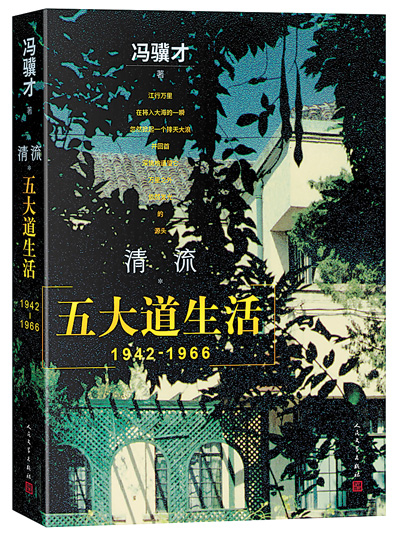
那条蓝色的清流永久在发光(书里书外)
Ren Min Ri Bao· 2025-12-18 22:30
Group 1 - The article reflects on the clarity of childhood memories as one ages, likening them to footprints in spring grass that emerge in winter snow [1] - It discusses the significance of personal experiences and the importance of documenting them through writing, emphasizing that memories belong to the individual [2] - The narrative highlights the transformation of a street named Dali Road into a historical street within the famous Wudadao area of Tianjin, noting its unusual short history and the notable figures who lived there [2] Group 2 - The text describes the duality of family life, where the first family is built by parents and the second is constructed by oneself, emphasizing the protective nature of parental homes [3] - It details the father's rise from a bank employee to a successful figure due to hard work and opportunities, while the mother is portrayed as resourceful and capable despite financial challenges [3][4] - The narrative illustrates the changes in the family’s living situation and the broader societal shifts, including the impact of historical events on the Wudadao community [6] Group 3 - The article notes the gradual transformation of the Wudadao area, with an influx of new residents and the emergence of small businesses, reflecting the blending of cultures between the old city and the former foreign concessions [6] - It conveys a sense of nostalgia and attachment to the Wudadao area, indicating that despite physical distance, the emotional connection remains strong [7] - The closing thoughts emphasize the enduring nature of memories and the idea that while life changes, the essence of home and personal history persists [8]
万州,江水下的故乡
3 6 Ke· 2025-11-17 03:05
Core Perspective - The article explores the transformation of Wanzhou, a city submerged by the Three Gorges Dam, highlighting its dual identity as both an underwater city and a vibrant community on the surface, emphasizing the coexistence of memory and modernity [1][2][15]. Group 1: Historical Context - The Three Gorges Dam has led to the submersion of Wanzhou's old streets, docks, and homes, creating a hidden underwater city that exists alongside the current urban landscape [1][2]. - The rise in water levels has altered the geography and reshaped the memories of the residents, who have had to adapt by reconstructing their homes and preserving their heritage in new forms [2][14]. Group 2: Cultural Significance - The Three Gorges Memorial Museum, designed by Academician Cui Kai, serves as a cultural landmark that reflects the history of migration and the emotional struggles of the displaced residents [3][4]. - The performance of the play "Immigrant Jin Dahua" within the museum illustrates the personal stories and conflicts faced by the immigrants, creating a powerful connection between the audience and the historical narrative [4]. Group 3: Urban Development - The "Great Ladder" connecting the upper and lower parts of the city has transformed from a practical structure into a popular scenic spot, enhancing community engagement and economic activity [5]. - The new artistic districts and vibrant street life signify a shift towards a modern identity for Wanzhou, blending the old with the new and fostering a sense of community [5][11]. Group 4: Culinary Identity - Wanzhou's culinary scene, particularly its famous grilled fish and "Gege" steamed dishes, reflects the city's rich cultural heritage and communal dining experiences, contributing to its unique identity [11][12]. - The flavors and aromas of local cuisine serve as a reminder of the city's past and present, reinforcing the connection between food and cultural memory [11][12]. Group 5: Economic Evolution - Historically, Wanzhou was a significant trading port, known as Wankou, facilitating the exchange of goods and information, which has now shifted due to infrastructural changes and the impact of the Three Gorges Project [13]. - The legacy of the bustling port culture continues to influence the character of Wanzhou's residents, who exhibit resilience and adaptability in the face of change [13][14].
“城市在拆,我在录音”——他用耳朵为城市留住了温度和故事
Hu Xiu· 2025-08-11 13:04
Group 1 - The article highlights the efforts of Long Qing, who has been documenting the sounds of urban change for 12 years, capturing the essence of disappearing neighborhoods and local dialects [1] - The sounds recorded include the chirping of birds in Yuelu Mountain, the pressure of demolition announcements, the calls from vegetable markets, and the lively atmosphere of funerals, serving as a testament to the transformation of the city [1]