灰色产业

Search documents
闲鱼:从“边缘”二手交易平台到阿里增长引擎 信用卡盗刷、水军、卡券骗局等灰产横行?监管漏洞或尚存
Xin Lang Cai Jing· 2025-12-25 02:28
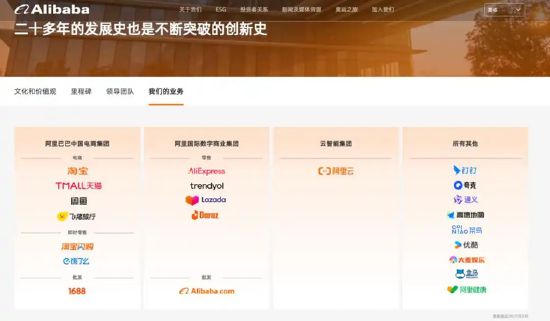
Core Insights - Xianyu, a leading second-hand trading platform in China, has a vast user base and an active community, creating a thriving C2C market. However, its open and low-threshold model has also fostered various gray industries [1][5][21]. Group 1: Company Development - Xianyu originated from the "Taobao second-hand" channel and has evolved into a significant player within Alibaba's e-commerce ecosystem. Recent organizational changes at Alibaba have elevated Xianyu's status [2][19]. - By the end of 2023, Xianyu was upgraded to a primary business unit under the TaoTian Group, marking a significant shift in its strategic importance within Alibaba [2][19]. - In 2024, Xianyu was officially integrated into Alibaba's Chinese e-commerce business system, further solidifying its role in the company's growth strategy [2][19]. Group 2: User Metrics and Financial Performance - Xianyu has over 600 million registered users and sees an average of over 4 million second-hand items posted daily. Its daily GMV has surpassed 1 billion yuan [4][21]. - As of March 2025, Xianyu's monthly active users (MAU) reached 209 million, a nearly 20% year-on-year increase, ranking it among the top ten apps in user growth [4][21]. Group 3: Revenue Generation and Fee Structure - Xianyu implemented its first fee policy on June 6, 2023, charging a 1% service fee for sellers with more than 10 transactions and a total transaction amount exceeding 10,000 yuan [3][20]. - The fee structure was expanded on September 1, 2024, introducing a 0.6% basic service fee for all sellers, with a maximum fee of 60 yuan per transaction. High-frequency sellers continue to be charged 1% on excess amounts [3][20]. - By 2025, the service fee for sellers with over 10 transactions and a total amount exceeding 10,000 yuan was raised to 1.6% [3][20]. Group 4: Gray Market Issues - Xianyu's open platform has led to the proliferation of gray market activities, including credit card fraud through low-priced hotel bookings and the presence of "water army" networks that manipulate reviews [5][22]. - Users have reported various scams, such as the "crab card" fraud and deceptive practices in the second-hand luxury goods market, where sellers significantly reduce prices after purchase [6][22][32].