
灵活用工社保体系

Search documents
每经热评|美团骑手养老保险补贴全国覆盖 诚意之后尚有四大全新考题
Sou Hu Cai Jing· 2025-10-29 13:49
Core Viewpoint - Meituan has announced that its rider pension insurance subsidy will be available nationwide, allowing all riders to choose to pay in their registered or working locations starting in November [1] Group 1: Policy Implementation - The subsidy policy for riders' social insurance was first piloted in Quanzhou, Fujian, and Nantong, Jiangsu, in April 2023, and has now expanded to a national level within six months [1] - The rapid implementation reflects intensified competition in the platform economy and increasing societal demands for platform companies to take on more responsibilities [1] Group 2: Coverage and Financial Implications - Meituan's model is based on "voluntary insurance participation by riders + platform subsidies," which allows for more flexible labor costs and encourages riders to opt for insurance [1] - The company has covered over 22,000 riders in the pilot regions, and with 745,000 riders earning income through orders in 2023, the potential annual subsidy for high-frequency riders alone could reach nearly 8 billion yuan, significantly impacting profits [3] Group 3: Challenges Ahead - The first challenge is how to establish a national subsidy standard, as the current model provides a 50% subsidy for riders meeting specific income criteria [3] - The second challenge involves addressing the needs of low-frequency riders, who make up 41% of the total, as their sporadic work patterns complicate social insurance contributions [4] - The third challenge is managing the transfer and continuity of social insurance across different regions, which is complicated by varying local policies and administrative processes [5] - The fourth challenge is to prevent the increased costs of subsidies from being passed on to consumers or riders, which could lead to reduced income for riders despite the benefits of social insurance [5]

美团骑手养老保险补贴全国覆盖 诚意之后尚有四大全新考题
Mei Ri Jing Ji Xin Wen· 2025-10-29 13:44
Core Insights - Meituan has announced that its rider pension insurance subsidy will now cover all riders nationwide, starting from November, allowing them to choose where to pay based on their needs [1] - The rapid expansion from pilot programs in two cities to nationwide coverage in just six months reflects increased competition in the platform economy and societal demands for greater corporate responsibility [1] - The model of "voluntary insurance participation by riders + platform subsidies" allows for more flexible labor costs, encouraging riders to opt for insurance [1] Group 1: Implementation and Coverage - The subsidy policy was first piloted in Quanzhou and Nantong, with over 22,000 riders covered in these areas [3] - By 2023, there are 745,000 riders earning income through orders, with high-frequency riders making up 11% of this group, approximately 819,500 individuals [3] - If the subsidy covers only high-frequency riders, it could lead to an additional annual expenditure of nearly 8 billion yuan for the company, potentially consuming an equivalent amount of profit [3] Group 2: Challenges in Coverage - The subsidy structure primarily benefits high-frequency riders, who represent only 11% of the total, while low-frequency and occasional riders make up 41% and 48% respectively [4] - Many riders are part-time workers or use this job as a temporary solution, complicating the insurance payment process due to their varied working hours and income [4] - There is a potential mismatch in insurance needs, as part-time riders may prioritize health and accident insurance over pension insurance [4] Group 3: Social Security Issues - The transfer and continuity of social security for riders who change work locations or residency pose significant challenges due to differing regional policies and administrative processes [6] - These issues are not merely technical but directly impact the long-term benefits for riders, necessitating collaboration between government and companies [6] Group 4: Cost Management - The increase in company costs due to social security subsidies raises concerns about potential cost transfer to consumers and riders through wage reductions or increased service prices [7] - Finding a balance that satisfies all parties involved is crucial, yet challenging, as it may lead to dissatisfaction among riders despite the intended benefits [7]
美团骑手养老保险补贴覆盖全国,诚意之后还有新考题:如何避免补贴成本转嫁给消费者和骑手、全国补贴标准如何制定……
Mei Ri Jing Ji Xin Wen· 2025-10-29 04:59
Core Points - Meituan has announced that its rider pension insurance subsidy will be available nationwide, allowing riders to choose where to pay based on their needs starting in November [1] - The rapid expansion of this policy from pilot cities to nationwide coverage within six months reflects increased competition in the platform economy and societal demands for greater corporate responsibility [1] - The model of "voluntary participation + platform subsidy" allows for flexible cost management for the company while encouraging riders to opt into insurance [2] Group 1 - The subsidy standard for riders nationwide is yet to be determined, with the pilot program indicating that riders meeting certain income thresholds would receive a 50% subsidy on their pension contributions [4] - High-frequency riders, who make up about 11% of the total, could lead to an annual increase in costs for Meituan of nearly 8 billion yuan if only they are covered under the subsidy scheme [4] - The complexity of the insurance scheme increases as it aims to cover a diverse group of riders, including those with varying levels of engagement [5][6] Group 2 - Low-frequency riders, who represent 41% of the total, face challenges in meeting income thresholds for subsidies, raising questions about how to structure support for this group [5][6] - The need for insurance options that cater to the specific needs of part-time and low-frequency riders, who may prioritize health and accident insurance over pension contributions, is highlighted [6] - The issue of social insurance transfer and continuity across different regions poses a significant challenge for riders, necessitating collaboration between companies and government [6] Group 3 - The potential for increased operational costs due to the subsidy program raises concerns about how these costs might be passed on to consumers or affect rider wages [7] - The balance between immediate financial needs and long-term benefits for low-income riders is crucial, as many may prioritize current income over future security [8] - Finding a sustainable solution that aligns the interests of the company, riders, and consumers is a complex challenge that requires careful consideration [9]

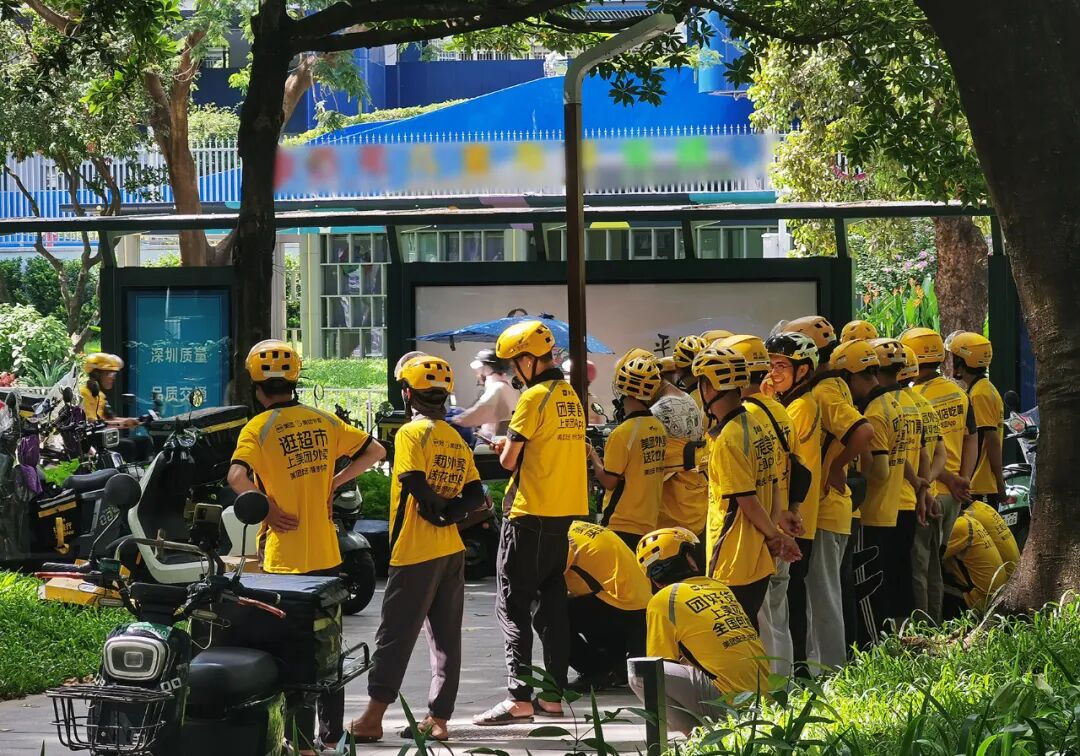
每经热评|美团骑手养老保险补贴全国覆盖,诚意之后尚有四大新考题
Mei Ri Jing Ji Xin Wen· 2025-10-29 03:28
Core Viewpoint - Meituan has announced that its rider pension insurance subsidy will now cover all riders nationwide, reflecting the company's commitment to social responsibility and the need for a social security system for flexible workers [1][2]. Group 1: Policy Implementation - The pension insurance subsidy policy was first piloted in April 2023 in two cities and has rapidly expanded to cover the entire country within six months [1]. - The subsidy model is based on "voluntary participation by riders + platform subsidies," allowing for more flexible labor costs [2]. Group 2: Coverage and Financial Implications - The subsidy is expected to cover millions of riders, with a potential annual cost of nearly 8 billion yuan if only high-frequency riders are included [4]. - High-frequency riders, defined as those who work over 260 days a year, represent only 11% of the total rider population, indicating a significant portion of riders may not benefit from the current subsidy structure [5]. Group 3: Challenges Ahead - The first challenge is determining the national subsidy standard, which is currently based on income thresholds and may lead to increased financial burdens for Meituan [4]. - The second challenge involves addressing the needs of low-frequency and part-time riders, who may prioritize different types of insurance coverage [5][6]. - The third challenge is managing the complexities of social security transfer and continuity for riders who change locations frequently [6]. - The fourth challenge is to prevent the cost of subsidies from being passed on to consumers or riders, which could undermine the intended benefits of the program [7][8].