
煤改电

Search documents
国网沈阳供电公司:清洁供暖守民生 电力护航暖新春
Zhong Guo Neng Yuan Wang· 2026-02-10 07:43
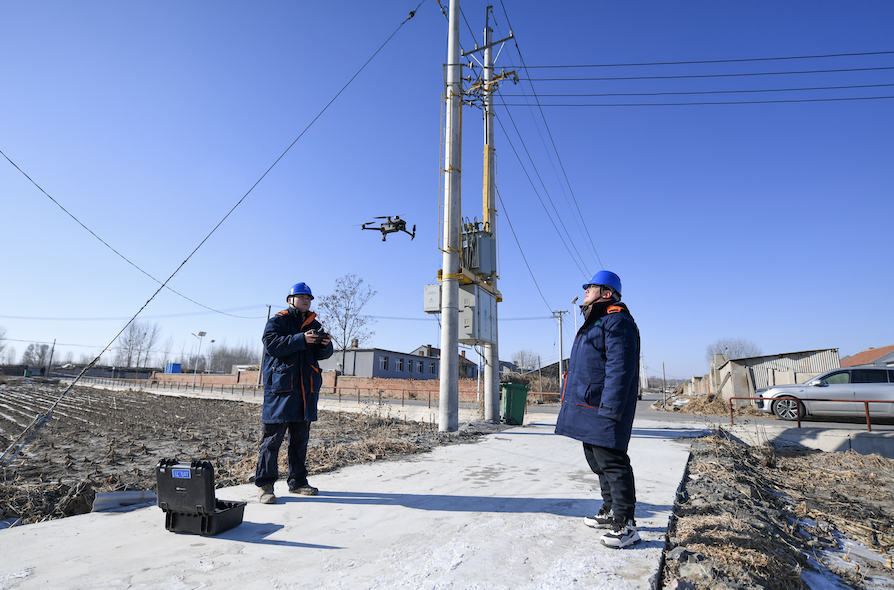
Core Viewpoint - The article highlights the efforts of the State Grid Shenyang Power Supply Company in implementing the "coal-to-electricity" initiative in rural areas of Shenyang, ensuring reliable and clean heating for residents as the New Year approaches [3][5]. Group 1: Project Implementation - Since Shenyang was selected as a winter clean heating city in 2022, the Shenyang Development and Reform Commission has led the development of technical routes and renovation plans, primarily focusing on "coal-to-electricity" as the main approach [3]. - The State Grid Shenyang Power Supply Company has invested over 500 million yuan in supporting the "coal-to-electricity" project over the past three years, constructing and renovating over 2,000 kilometers of distribution lines and adding nearly 200,000 kVA of transformer capacity [3]. - The average transformer capacity per household in rural areas has increased from 2.4 kVA before the renovation to 2.8 kVA after, significantly enhancing power supply capabilities [3]. Group 2: Community Impact - In Tongluobao Village, nearly 90% of users have switched to electric heating, leading to a cleaner and safer environment, with residents expressing satisfaction over the transition from coal to electric heating [3]. - In Zhengshibao Village, the average transformer capacity per household has risen from 1.28 kVA to 4.1 kVA, establishing a solid electrical foundation for clean heating [3]. - The company has also upgraded the 10 kV lines in Zhengshibao Village to improve reliability, allowing for quick power transfer in case of line faults, thus enhancing overall power supply reliability [3][5]. Group 3: Future Outlook - As the Spring Festival approaches, the company is optimizing the power grid layout and enhancing load monitoring to ensure uninterrupted heating for residents, aiming for a warm, clean, and peaceful celebration [5]. - The transition from coal to electric heating is contributing to a cleaner environment, with reduced coal smoke and improved air quality in rural areas of Shenyang [5].

河北农民的这个冬天
Jing Ji Guan Cha Wang· 2026-01-07 15:10
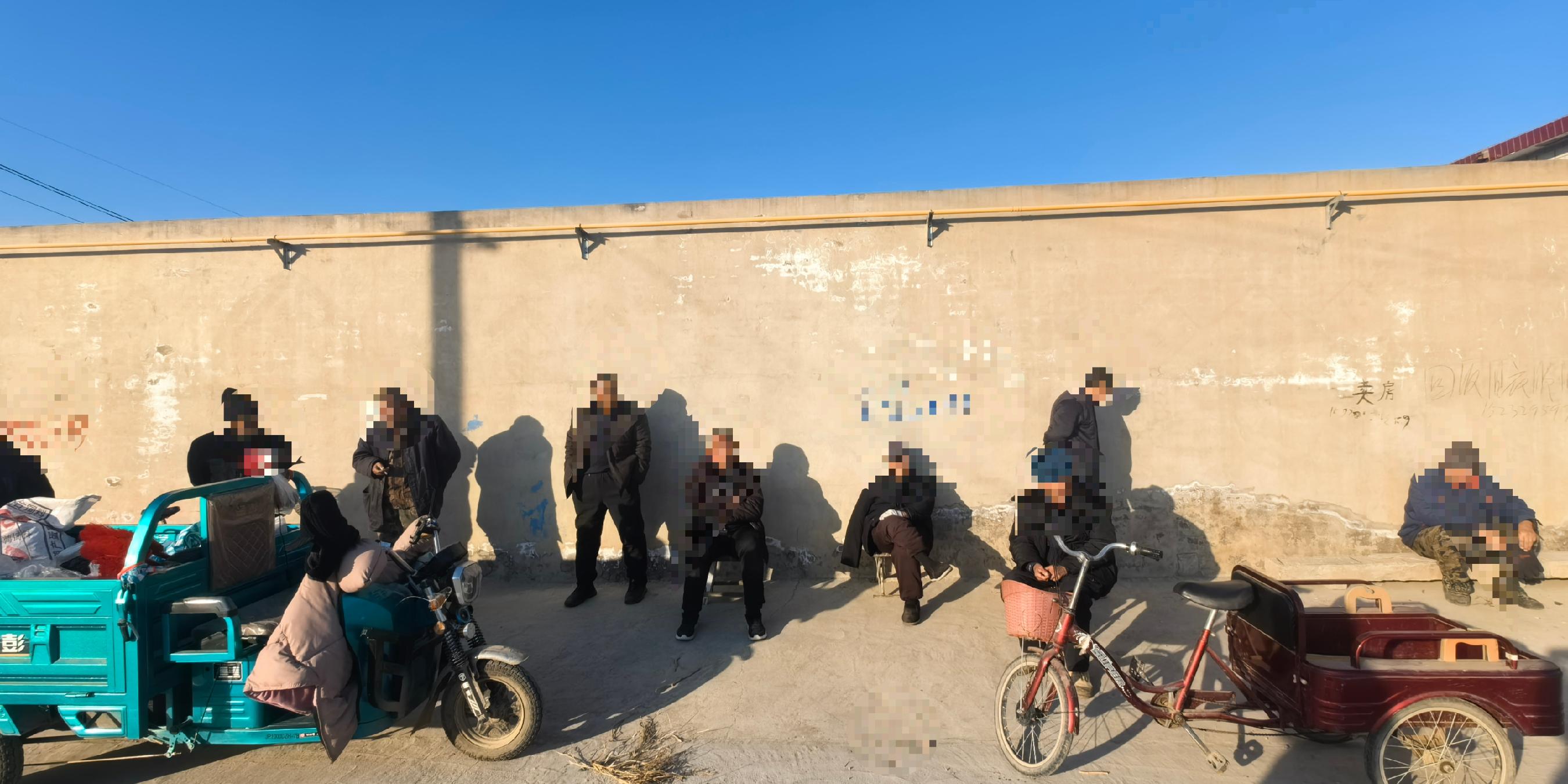
Core Viewpoint - The transition to natural gas heating in rural Hebei has led to increased costs for residents, particularly the elderly, as subsidies have decreased, making heating unaffordable for many [5][25][31]. Group 1: Economic Impact on Residents - Many elderly residents in rural Hebei are unable to afford natural gas heating due to rising costs, with some reporting heating expenses exceeding their annual income from farming [3][7]. - The average cost of natural gas has risen to 3.18 yuan per cubic meter, leading to heating bills of 5,000 to 6,000 yuan per season, which is significantly higher than their income from farming [3][5]. - The reduction of subsidies has resulted in many households opting not to use heating, with some resorting to burning wood or coal despite regulations against it [11][15][25]. Group 2: Policy and Subsidy Changes - The shift to natural gas heating began in 2017 as part of a broader initiative to reduce air pollution, with significant government investment in infrastructure and subsidies [5][25]. - Subsidies for natural gas heating have been gradually decreasing, with reports indicating that many residents are now paying full price for gas, leading to a rise in unregulated coal use [25][26]. - The government has implemented a phased reduction in subsidies, with some areas extending support for up to nine years, while others have seen immediate cuts [27][29]. Group 3: Alternative Heating Solutions - Experts suggest transitioning from natural gas to more energy-efficient heating solutions such as heat pumps, which could lower heating costs significantly [7][31]. - The installation of heat pumps is initially costly but offers long-term savings on heating bills, with some residents already beginning to adopt this technology [22][31][36]. - There is a growing emphasis on improving the insulation of rural homes to enhance energy efficiency, which could reduce heating costs by up to 100% in some cases [31][36].
国网蒙东电力:让18.67万电采暖用户放心用电
Zhong Guo Neng Yuan Wang· 2025-09-23 07:14
Core Viewpoint - The company is actively implementing measures to ensure reliable electricity supply for electric heating during the winter season, particularly in the eastern Inner Mongolia region, where electric heating has become a crucial method for residents' winter warmth [1][2][3]. Group 1: Electric Heating Implementation - The transition to electric heating has been positively received by residents, providing warmth, cleanliness, and safety during the winter months [1]. - The heating season in eastern Inner Mongolia lasts from September 1 to May 31, spanning nine months, with electric heating being a significant focus due to the "coal-to-electricity" initiative [1]. Group 2: Service and Management Enhancements - The company is advancing a comprehensive power supply service system, utilizing a "grid + equipment + safety + service + data" management model to enhance service for key residential customers [2]. - Efforts include proactive maintenance and the establishment of a resource scheduling system to improve service quality and reliability [2]. Group 3: Operational Strategies for Power Supply - The company is implementing differentiated operational strategies based on the load characteristics of electric heating in urban and rural areas, ensuring tailored support for regions with high electric heating usage [3]. - A total of 186,700 electric heating customers have been registered in the region, with a reported capacity of 4.53 million kilowatts and a heating area of 35 million square meters [3]. - The projected electricity consumption for heating in 2024-2025 is expected to exceed 1.7 billion kilowatt-hours [3].