清洁取暖

Search documents
绿色金融“贷”动绿色发展
Qi Lu Wan Bao· 2026-02-27 11:40
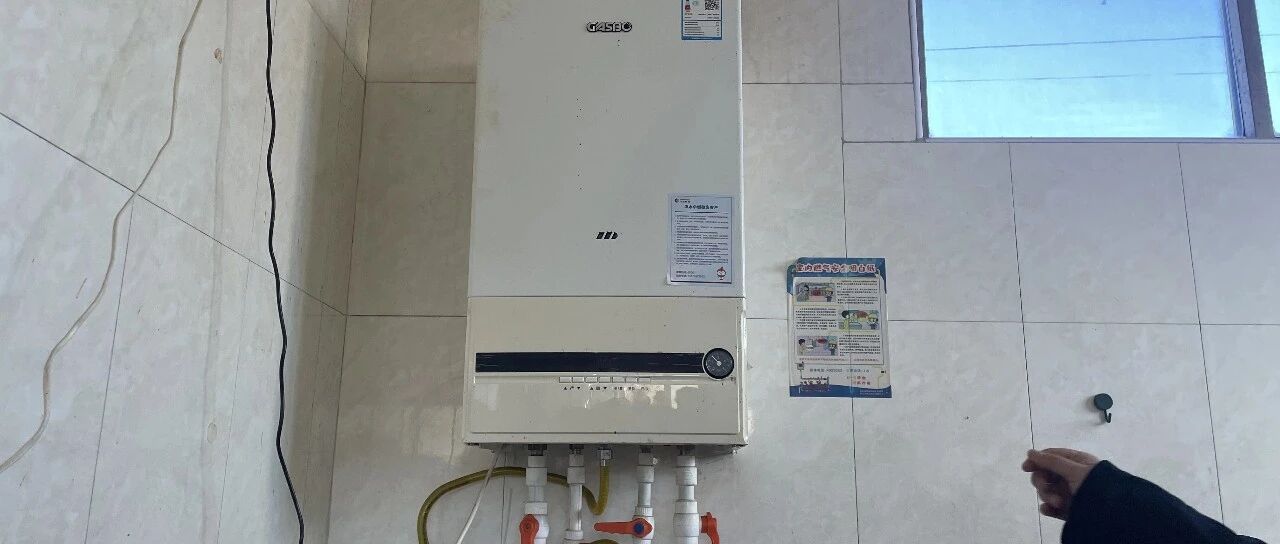
Group 1 - The core viewpoint of the articles highlights the financial support provided by Anqiu Rural Commercial Bank to Weifang Aidongle Environmental Technology Co., Ltd., which faced cash flow challenges due to a surge in orders for clean heating equipment driven by national policies [1][3] - Weifang Aidongle specializes in the production and sales of environmentally friendly heating equipment, including biomass stoves and clean coal stoves, and has seen explosive growth in orders as a result of the implementation of clean heating policies [1] - The company encountered difficulties in raw material procurement and capacity expansion due to increased funding needs, which threatened project delivery [1] Group 2 - Anqiu Rural Commercial Bank initiated a "one-on-one" service mechanism to assist the company, breaking conventional approval processes and establishing a green financial service channel [3] - The bank's dedicated client manager supported the company in organizing loan documentation and optimizing the approval process, resulting in a 2 million yuan loan being disbursed within a few days to ensure normal operation of the production line [3] - To enhance the efficiency of green credit services, the bank has implemented a "green channel + time-limited processing" mechanism, prioritizing approval and rapid disbursement for enterprises on the "green whitelist" [3]

开展特巡特护 保障温暖度冬
Xin Lang Cai Jing· 2026-02-11 20:51
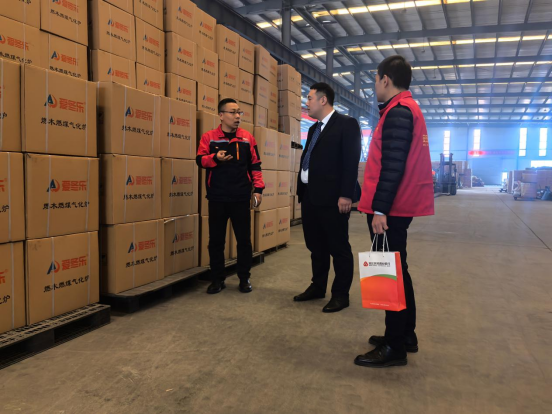
Core Viewpoint - The company is actively ensuring safe and reliable electricity supply for clean heating users during the winter peak demand period by implementing monitoring and inspection measures [1] Group 1: Monitoring and Inspection Measures - The company has established a key monitoring list for clean heating-related lines and transformers, tracking load changes in real-time [1] - Special inspections are conducted on critical components such as high and low voltage bushings and wire joints to address issues like low voltage and equipment overload [1] - A dedicated team is performing on-site electricity checks in urban and rural households, guiding users on the correct use of heating appliances and rectifying safety hazards like improper wiring and aging circuits [1] Group 2: Response to Extreme Weather - The company has enhanced special inspections of transmission lines in anticipation of potential rain, snow, and freezing weather [1] - In the event of unexpected power outages, the company is prepared to respond quickly and collaboratively to restore service as swiftly as possible [1] - The measures aim to ensure stable operation of the power grid and maintain user safety during extreme winter conditions [1]
国网沈阳供电公司:清洁供暖守民生 电力护航暖新春
Zhong Guo Neng Yuan Wang· 2026-02-10 07:43
Core Viewpoint - The article highlights the efforts of the State Grid Shenyang Power Supply Company in implementing the "coal-to-electricity" initiative in rural areas of Shenyang, ensuring reliable and clean heating for residents as the New Year approaches [3][5]. Group 1: Project Implementation - Since Shenyang was selected as a winter clean heating city in 2022, the Shenyang Development and Reform Commission has led the development of technical routes and renovation plans, primarily focusing on "coal-to-electricity" as the main approach [3]. - The State Grid Shenyang Power Supply Company has invested over 500 million yuan in supporting the "coal-to-electricity" project over the past three years, constructing and renovating over 2,000 kilometers of distribution lines and adding nearly 200,000 kVA of transformer capacity [3]. - The average transformer capacity per household in rural areas has increased from 2.4 kVA before the renovation to 2.8 kVA after, significantly enhancing power supply capabilities [3]. Group 2: Community Impact - In Tongluobao Village, nearly 90% of users have switched to electric heating, leading to a cleaner and safer environment, with residents expressing satisfaction over the transition from coal to electric heating [3]. - In Zhengshibao Village, the average transformer capacity per household has risen from 1.28 kVA to 4.1 kVA, establishing a solid electrical foundation for clean heating [3]. - The company has also upgraded the 10 kV lines in Zhengshibao Village to improve reliability, allowing for quick power transfer in case of line faults, thus enhancing overall power supply reliability [3][5]. Group 3: Future Outlook - As the Spring Festival approaches, the company is optimizing the power grid layout and enhancing load monitoring to ensure uninterrupted heating for residents, aiming for a warm, clean, and peaceful celebration [5]. - The transition from coal to electric heating is contributing to a cleaner environment, with reduced coal smoke and improved air quality in rural areas of Shenyang [5].
瑞纳智能:政策红利将持续提升公司业务质量
Zheng Quan Ri Bao Zhi Sheng· 2026-01-28 12:37
Group 1 - The core viewpoint of the article highlights that national policies are continuously promoting clean heating, energy-saving renovations, and urban renewal, which will drive market demand for the company's smart heating systems and intelligent hardware [1] - The company anticipates a steady expansion into new markets for clean heating and industrial energy-saving solutions, creating new growth points for performance [1] - The benefits from relevant policies are expected to enhance the quality of the company's business and solidify its long-term development [1]
读者网友反映 一些北方地区“煤改气”后 天然气费用高——多措并举破解部分农村“取暖贵”问题(金台视线)
Ren Min Ri Bao· 2026-01-18 22:08
Core Viewpoint - The transition from coal to gas heating in rural northern China has led to high gas prices, causing some villagers to forgo heating to save money, resulting in discomfort during winter [1][2]. Current Situation - Villagers in Shanxi's Dingxiang County report that the cost of gas heating is prohibitively high, leading to some opting to endure cold temperatures instead [2][3]. - The price of natural gas in the region has increased from 2.26 yuan to 2.61 yuan per cubic meter, with higher usage leading to prices exceeding 3 yuan, resulting in heating costs of several thousand yuan for a winter [3][4]. - Residents in other provinces like Henan and Shandong also express similar concerns about the high costs associated with gas heating compared to previous coal heating expenses [4][5]. Reasons for High Costs - The construction of gas pipelines in rural areas is costly due to low population density and the need for extensive maintenance and service, leading to high logistical costs [5][6]. - The reduction of government subsidies over time has increased the financial burden on residents, with some areas seeing subsidies drop significantly [7][8]. - Poor insulation in rural homes exacerbates heating costs, as many houses lack adequate thermal protection, leading to energy waste [9][10]. Recommendations - Suggestions include establishing cross-regional ecological compensation mechanisms to support clean heating initiatives and improve air quality [11][12]. - Experts recommend diversifying clean energy sources and improving rural housing insulation to reduce heating costs and enhance energy efficiency [12][13]. - The need for a more sustainable and precise fiscal subsidy mechanism is emphasized to alleviate the financial strain on residents while promoting clean energy use [12][13].
瑞纳智能:拟1.699亿元投建智能高效热泵研发生产基地
Zheng Quan Shi Bao Wang· 2026-01-09 08:49
Core Viewpoint - The company, Ruina Intelligent, plans to invest approximately 169.9 million yuan to establish a modern intelligent and efficient heat pump R&D and production base in Changfeng County, Hefei, Anhui, focusing on key component manufacturing, complete machine assembly, and technology demonstration [1] Group 1 - The project aims to achieve an annual production capacity of about 9,135 units of intelligent and efficient heat pump units, particularly targeting breakthroughs in critical technologies such as high-power magnetic levitation compressors [1] - The initiative aligns with national "dual carbon" goals and clean heating policies, indicating a strategic move towards clean energy equipment manufacturing [1] - The project is seen as a key strategic measure for the company to convert its technological reserves into market advantages, driving future growth [1]
“不能采取鸵鸟政策视而不见”:专家呼吁给河北农民取暖留一线余地
凤凰网财经· 2026-01-09 06:42
Core Viewpoint - The article highlights the heating difficulties faced by farmers in Hebei due to the transition from coal to gas for winter heating, emphasizing the need for a sustainable solution that balances air quality improvement and farmers' heating needs [1][3][4]. Group 1: Heating Challenges - Many farmers in rural Hebei are reluctant to use natural gas for heating due to high costs, leading to a situation where they are unable to heat their homes adequately [1][3]. - The transition from coal to gas has not been accompanied by sufficient infrastructure improvements, leaving farmers without reliable heating options [22][23]. Group 2: Policy Recommendations - Experts suggest that transitional measures should be implemented, allowing the use of cleaner coal alternatives and biomass fuels to ease the burden on farmers [7][8][12]. - There is a call for the government to provide ongoing subsidies and support for energy-efficient home renovations to reduce heating costs for farmers [20][22]. Group 3: Economic and Technical Support - The article stresses the importance of reallocating atmospheric governance funds to support winter heating for farmers, indicating that current funding is not effectively utilized [16][17]. - A regional economic and technical support mechanism is recommended to ensure that rural areas receive the necessary resources for clean heating solutions [16][17]. Group 4: Infrastructure and Supply Issues - The article points out that local governments have not adequately addressed the infrastructure needed for reliable gas supply, leading to potential shortages during peak demand [23][25]. - The dominance of local natural gas companies over electricity providers has influenced the heating choices made by farmers, often to their detriment [24].
河北农民的这个冬天
Jing Ji Guan Cha Wang· 2026-01-07 15:10
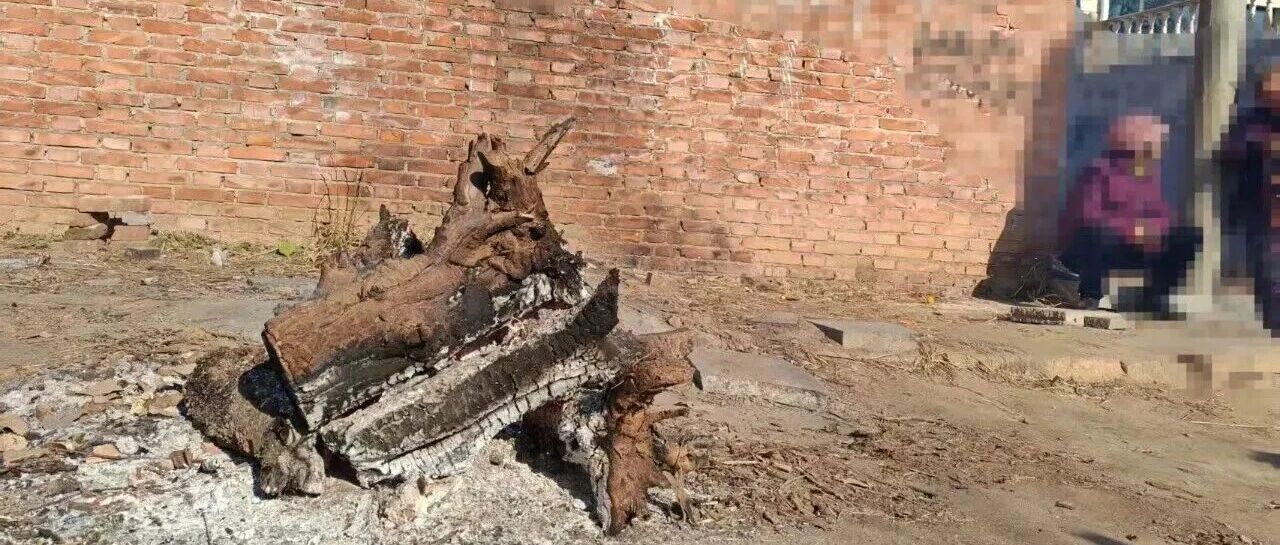
Core Viewpoint - The transition to natural gas heating in rural Hebei has led to increased costs for residents, particularly the elderly, as subsidies have decreased, making heating unaffordable for many [5][25][31]. Group 1: Economic Impact on Residents - Many elderly residents in rural Hebei are unable to afford natural gas heating due to rising costs, with some reporting heating expenses exceeding their annual income from farming [3][7]. - The average cost of natural gas has risen to 3.18 yuan per cubic meter, leading to heating bills of 5,000 to 6,000 yuan per season, which is significantly higher than their income from farming [3][5]. - The reduction of subsidies has resulted in many households opting not to use heating, with some resorting to burning wood or coal despite regulations against it [11][15][25]. Group 2: Policy and Subsidy Changes - The shift to natural gas heating began in 2017 as part of a broader initiative to reduce air pollution, with significant government investment in infrastructure and subsidies [5][25]. - Subsidies for natural gas heating have been gradually decreasing, with reports indicating that many residents are now paying full price for gas, leading to a rise in unregulated coal use [25][26]. - The government has implemented a phased reduction in subsidies, with some areas extending support for up to nine years, while others have seen immediate cuts [27][29]. Group 3: Alternative Heating Solutions - Experts suggest transitioning from natural gas to more energy-efficient heating solutions such as heat pumps, which could lower heating costs significantly [7][31]. - The installation of heat pumps is initially costly but offers long-term savings on heating bills, with some residents already beginning to adopt this technology [22][31][36]. - There is a growing emphasis on improving the insulation of rural homes to enhance energy efficiency, which could reduce heating costs by up to 100% in some cases [31][36].
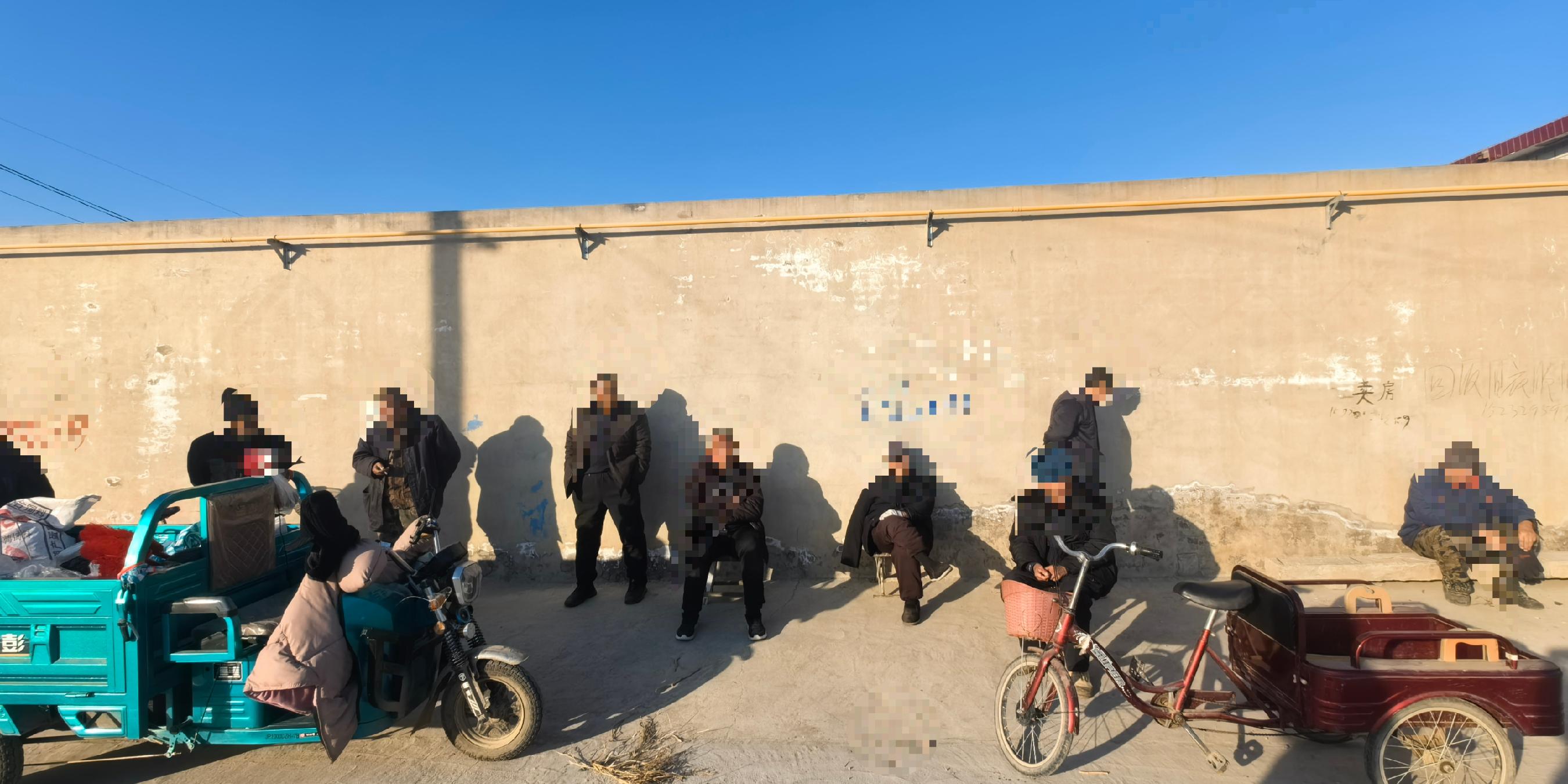
清洁取暖莫成“民生痛点”
中国能源报· 2026-01-07 09:39
Core Viewpoint - The transition from coal-based heating to clean heating in Hebei is a complex system project that requires balancing environmental protection with the livelihood of residents, highlighting the need for effective governance and policy implementation [1][4]. Group 1: Clean Heating Progress - Hebei has made significant strides in clean heating, with 93% of 13 million rural households now using natural gas or electric heating, achieving near full coverage [2]. - The average PM2.5 concentration in the Beijing-Tianjin-Hebei region has decreased by 63.7% since 2013, indicating positive environmental impacts from clean heating initiatives [1]. Group 2: Economic Impact on Residents - The cost of heating has increased significantly, with expenses rising from 2,000-3,000 yuan for coal to 7,560-11,340 yuan for gas, consuming 30%-50% of the average disposable income of rural residents in 2024 [2]. - The price of heating gas in many areas reaches 3.15 yuan per cubic meter, with some regions like Chengde exceeding 3.4 yuan, creating a financial burden for households [2]. Group 3: Challenges in Implementation - The quality of heating equipment varies, leading to high failure rates and increased maintenance costs after the warranty period, which is only 3-5 years [3]. - Rural housing often lacks adequate insulation, resulting in indoor temperatures that are 10-15°C lower than urban areas, necessitating higher energy consumption for heating [3]. Group 4: Policy Recommendations - A long-term subsidy and cost-sharing mechanism should be established to ensure heating costs remain manageable for residents, particularly for low-income groups and vulnerable populations [5]. - The development of a comprehensive equipment and infrastructure support system is essential, including strict quality standards and extended warranty periods for heating devices [6]. Group 5: Tailored Solutions - Clean heating strategies should be customized based on local resources, economic conditions, and building characteristics, avoiding a one-size-fits-all approach [7]. - Energy-efficient building renovations and the promotion of renewable energy sources like solar and wind should be prioritized to reduce costs and improve energy self-sufficiency [8].

河北农村居民反映取暖贵
第一财经· 2026-01-06 13:46
Core Viewpoint - The article highlights the rising heating costs for rural residents in Hebei province due to the "coal-to-gas" policy, which has led to increased natural gas prices and reduced subsidies, causing financial strain on households [3][4][6]. Group 1: Heating Costs and Subsidy Changes - Many families in Hebei are experiencing significantly higher heating costs after transitioning from coal to gas, with some reporting winter heating expenses exceeding 8,000 yuan [4][6]. - The average disposable income for rural residents in Hebei is 22,022 yuan for 2024, indicating that heating costs represent a substantial financial burden [4]. - The initial subsidies for gas heating were around 1 yuan per cubic meter, but have since decreased to as low as 0.2 yuan per cubic meter, exacerbating the cost issue for residents [5][6]. Group 2: Natural Gas Price Increases - Natural gas prices in Hebei have remained stable around 3 yuan per cubic meter, with a reported average increase of 0.391 yuan per cubic meter in 2023, marking a 14% rise [6]. - Specific cities like Shijiazhuang and Chengde have seen their residential gas prices increase to 3.15 yuan and 3.3 yuan per cubic meter, respectively [6]. Group 3: Equipment and Maintenance Challenges - Many households that adopted gas heating are facing the need to replace aging wall-mounted boilers, which can cost over 3,000 yuan, raising concerns about who will bear these costs [7]. - The article suggests that the transition to gas heating has improved air quality and living standards, but the reduction in subsidies poses new challenges for affordability [8]. Group 4: Policy Recommendations - Experts recommend a gradual transition in subsidy policies to avoid abrupt cuts, particularly for low-income households, and suggest linking subsidies to income and gas prices [8]. - There is a call for promoting efficient gas equipment and improving housing insulation to reduce gas consumption, as well as exploring alternative heating methods [8]. Group 5: Regional Policy Variations - Not all areas in Hebei are implementing the same subsidy reductions; for instance, Tangshan has committed to maintaining a subsidy of 0.8 yuan per cubic meter for gas users during the heating season [8]. - The economic strength of regions like Mian'an, which has a significantly higher average disposable income than the provincial average, allows for different subsidy strategies [9].