煤改气

Search documents
中国天然气市场介绍(一)供需概览
Zhong Xin Qi Huo· 2026-03-23 07:25
1. Report Industry Investment Rating - Not provided in the content 2. Core Viewpoints - China's natural gas supply is mainly supported by domestic production and pipeline imports, with LNG as a supplement. In 2025, domestic production accounted for over 60% of total supply, pipeline imports rose to 18.77%, and LNG imports fell to 20.68% [1][3][4] - Gas demand growth has slowed. In 2025, industrial and urban gas LNG consumption declined, while refueling station demand rose 10%. In 2026, demand growth will likely be driven by the power and transportation sectors, as industrial and traditional urban demand remains weak [2][4] - LNG imports are expected to recover in 2026. Domestic production will rise steadily and pipeline imports will see no significant growth. With domestic gas consumption projected to grow moderately, LNG imports will fill the gap, with growth dependent on demand realization [3][4][71] 3. Summary According to the Table of Contents Supply: Domestic Production and Pipeline Imports as the Foundation, LNG Imports as a Supplement Domestic Production: Production Boost and Storage Building Underpin the Steady Growth of Domestic Supply - China's natural gas output has maintained a steady rise in recent years, concentrated mainly in the Southwest, Northwest and North China. In the first 11 months of 2025, cumulative domestic natural gas output rose by 6.4% year - on - year [11][75] - Corporate capital expenditure remains at a high level. The capital expenditure on exploration and production by the Big Three National Oil Companies has basically stayed at 400 billion yuan per year since 2022. China's natural gas output is expected to reach 300 billion cubic meters by 2030 [15][79] Pipeline Gas Imports: Accelerated Growth in the Past Two Years, Growth Rate Likely to Slow in the Future - Imports of pipeline natural gas have risen year after year, concentrated primarily in Russia and Turkmenistan. In the first 11 months of 2025, cumulative imports reached 54.46 million tonnes, a year - on - year increase of 7.6% [20][83] - The average import price is expected to decline further alongside oil prices, yet the simulative effect on import volumes is likely to be limited. Import volumes depend more on pipeline expansion and contract execution [24][86] LNG Imports: Diversified Channels, Volatile Import Volumes - In the first 11 months of 2025, China's cumulative LNG imports reached 60.6 million tons, a year - on - year decrease of 13.7%. Price declines boosted imports in the second half [27][89] - International oil prices lead LNG average import prices by approximately six months, with short - term fluctuations driven by JKM gas prices [27][92] - 2026 remains a peak year for the commissioning of global LNG export capacity. A further drop in costs is expected to spur a recovery in China's LNG imports, yet the actual change in import volumes will still depend on domestic demand and fluctuations in supply from other channels [32][97] Supply Structure: Strong Cost Advantages for Domestic Production and Pipeline Imports, with LNG Imports as a Supplement - Domestic natural gas production accounts for nearly 60% of China's total supply, and pipeline gas imports have registered rapid growth in recent years. In 2025, the share of domestic output in total supply exceeded 60%, the proportion of pipeline gas imports climbed to 18.77%, while that of LNG imports fell to 20.68% [33][98] - Domestic natural gas and imported pipeline gas hold a distinct cost advantage over LNG. China's natural gas supply structure is built on domestic production and pipeline gas imports, with LNG imports serving as a supplement [34][99] Demand: Gradually Slowing Growth, with Transportation and Power Sectors as the Major Growth Drivers Urban Gas: Slowing Growth in Traditional Demand, with Transportation Demand Emerging as a New Growth Driver - Urbanization rate growth has driven the rise in China's urban gas consumption. Since 2023, the growth in urban gas consumption has been driven primarily by the transportation sector [43][44][106] - LNG heavy - duty truck sales have passed their explosive growth phase, and competition with new energy heavy - duty trucks is likely to intensify in the future [49][110] Power Sector: Rising Installed Capacity Drives Consumption Growth, While Higher Capacity Prices May Curb Utilization Hours - Installed gas - fired power capacity has grown at an accelerated pace during the 14th Five - Year Plan period, with the share of natural gas consumption in the power sector edging up slightly. As of November 2025, installed gas - fired power capacity exceeded 160 GW [52][112] - Gas - fired power generation registered a robust year - on - year growth in 2025, with the major increment concentrated in South China. The peaking role of gas - fired power units will be further strengthened [57][116] Industrial Sector: Coal - to - Gas Switch Drives Fuel Demand Growth, While Chemical Demand Hits a Bottleneck - Natural gas consumption for industrial fuel has maintained steady growth, whereas consumption in the chemical industry has contracted in recent years. Growth in industrial fuel demand may face certain pressure in the short term [59][64][120] - Natural gas demand in the chemical industry may see a marginal recovery in the follow - up period as international natural gas prices decline further [68][126] China's Natural Gas Supply and Demand to Remain Loose in 2026, with LNG Imports Set for a Recovered Growth - On the demand side, growth in industrial and traditional urban gas demand is hitting a bottleneck. Transportation and power sector demand have become the major growth drivers, but their current volume remains relatively small. China's natural gas consumption is likely to remain in a slow - growth trajectory, with the year - on - year growth rate expected to stay within 5% [71][131] - On the supply side, domestic production is projected to continue rising, yet pipeline gas imports may see no notable year - on - year increase in 2026. LNG imports are highly likely to register a recovery in 2026, with the actual growth magnitude dependent on the fulfillment of demand [71][131] - In the medium to long term, China's domestic natural gas production is expected to maintain a steady upward trend, while demand growth slows year by year. Growth in natural gas imports is likely to decelerate in tandem, with pipeline gas imports taking priority over LNG [72][131]
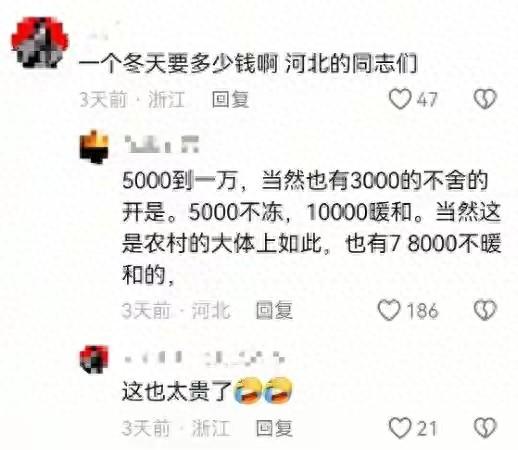
河北“煤改气”困局:与其骑虎难下,不如灵活掉头
Ge Long Hui· 2026-01-20 12:36
Core Viewpoint - The "coal-to-gas" initiative in Hebei has faced significant criticism due to high heating costs and inadequate heating performance, leading to public discontent and calls for a reevaluation of the policy [1][3][10]. Group 1: Heating Costs and User Experience - A user in Baoding, Hebei, reported spending over 4,000 yuan for heating during the winter, with indoor temperatures only reaching around 13°C, highlighting the inadequacy of the heating system [1]. - The average cost for a household using natural gas for heating in Hebei is estimated to be between 7,560 and 11,340 yuan per winter season, which is unaffordable for many rural residents with an annual disposable income of just over 20,000 yuan [4][5]. - Despite the higher costs, some users prefer gas heating over coal due to cleanliness and convenience, although the financial burden remains significant as subsidies have decreased [5][9]. Group 2: Policy and Implementation Challenges - The "coal-to-gas" initiative was part of a broader air pollution control strategy, with Hebei exceeding its target by converting over 200,000 households to gas heating [3][4]. - The transition to gas heating has been complicated by issues such as gas shortages and high costs, which have led to public outcry and calls for alternative solutions [6][8]. - The government initially provided substantial subsidies for gas heating, but these have significantly reduced in recent years, exacerbating the financial strain on households [9][10]. Group 3: Infrastructure and Economic Viability - The cost of natural gas in rural Hebei is 20%-30% higher than in Beijing and Tianjin, making it less economically viable for residents [4][6]. - The efficiency of heating systems varies, with gas heating being more efficient than coal but still resulting in higher costs for rural households due to building structure and insulation issues [12][13]. - The reliance on low-priced gas is critical for resolving the heating cost crisis, but the current market dynamics and government policies hinder this possibility [8][9].


读者网友反映 一些北方地区“煤改气”后 天然气费用高——多措并举破解部分农村“取暖贵”问题(金台视线)
Ren Min Ri Bao· 2026-01-18 22:08
Core Viewpoint - The transition from coal to gas heating in rural northern China has led to high gas prices, causing some villagers to forgo heating to save money, resulting in discomfort during winter [1][2]. Current Situation - Villagers in Shanxi's Dingxiang County report that the cost of gas heating is prohibitively high, leading to some opting to endure cold temperatures instead [2][3]. - The price of natural gas in the region has increased from 2.26 yuan to 2.61 yuan per cubic meter, with higher usage leading to prices exceeding 3 yuan, resulting in heating costs of several thousand yuan for a winter [3][4]. - Residents in other provinces like Henan and Shandong also express similar concerns about the high costs associated with gas heating compared to previous coal heating expenses [4][5]. Reasons for High Costs - The construction of gas pipelines in rural areas is costly due to low population density and the need for extensive maintenance and service, leading to high logistical costs [5][6]. - The reduction of government subsidies over time has increased the financial burden on residents, with some areas seeing subsidies drop significantly [7][8]. - Poor insulation in rural homes exacerbates heating costs, as many houses lack adequate thermal protection, leading to energy waste [9][10]. Recommendations - Suggestions include establishing cross-regional ecological compensation mechanisms to support clean heating initiatives and improve air quality [11][12]. - Experts recommend diversifying clean energy sources and improving rural housing insulation to reduce heating costs and enhance energy efficiency [12][13]. - The need for a more sustainable and precise fiscal subsidy mechanism is emphasized to alleviate the financial strain on residents while promoting clean energy use [12][13].
河北农民的这个冬天
Jing Ji Guan Cha Wang· 2026-01-07 15:10
Core Viewpoint - The transition to natural gas heating in rural Hebei has led to increased costs for residents, particularly the elderly, as subsidies have decreased, making heating unaffordable for many [5][25][31]. Group 1: Economic Impact on Residents - Many elderly residents in rural Hebei are unable to afford natural gas heating due to rising costs, with some reporting heating expenses exceeding their annual income from farming [3][7]. - The average cost of natural gas has risen to 3.18 yuan per cubic meter, leading to heating bills of 5,000 to 6,000 yuan per season, which is significantly higher than their income from farming [3][5]. - The reduction of subsidies has resulted in many households opting not to use heating, with some resorting to burning wood or coal despite regulations against it [11][15][25]. Group 2: Policy and Subsidy Changes - The shift to natural gas heating began in 2017 as part of a broader initiative to reduce air pollution, with significant government investment in infrastructure and subsidies [5][25]. - Subsidies for natural gas heating have been gradually decreasing, with reports indicating that many residents are now paying full price for gas, leading to a rise in unregulated coal use [25][26]. - The government has implemented a phased reduction in subsidies, with some areas extending support for up to nine years, while others have seen immediate cuts [27][29]. Group 3: Alternative Heating Solutions - Experts suggest transitioning from natural gas to more energy-efficient heating solutions such as heat pumps, which could lower heating costs significantly [7][31]. - The installation of heat pumps is initially costly but offers long-term savings on heating bills, with some residents already beginning to adopt this technology [22][31][36]. - There is a growing emphasis on improving the insulation of rural homes to enhance energy efficiency, which could reduce heating costs by up to 100% in some cases [31][36].
直击河北农民取暖:“烧不起”的冬天
凤凰网财经· 2026-01-07 14:14
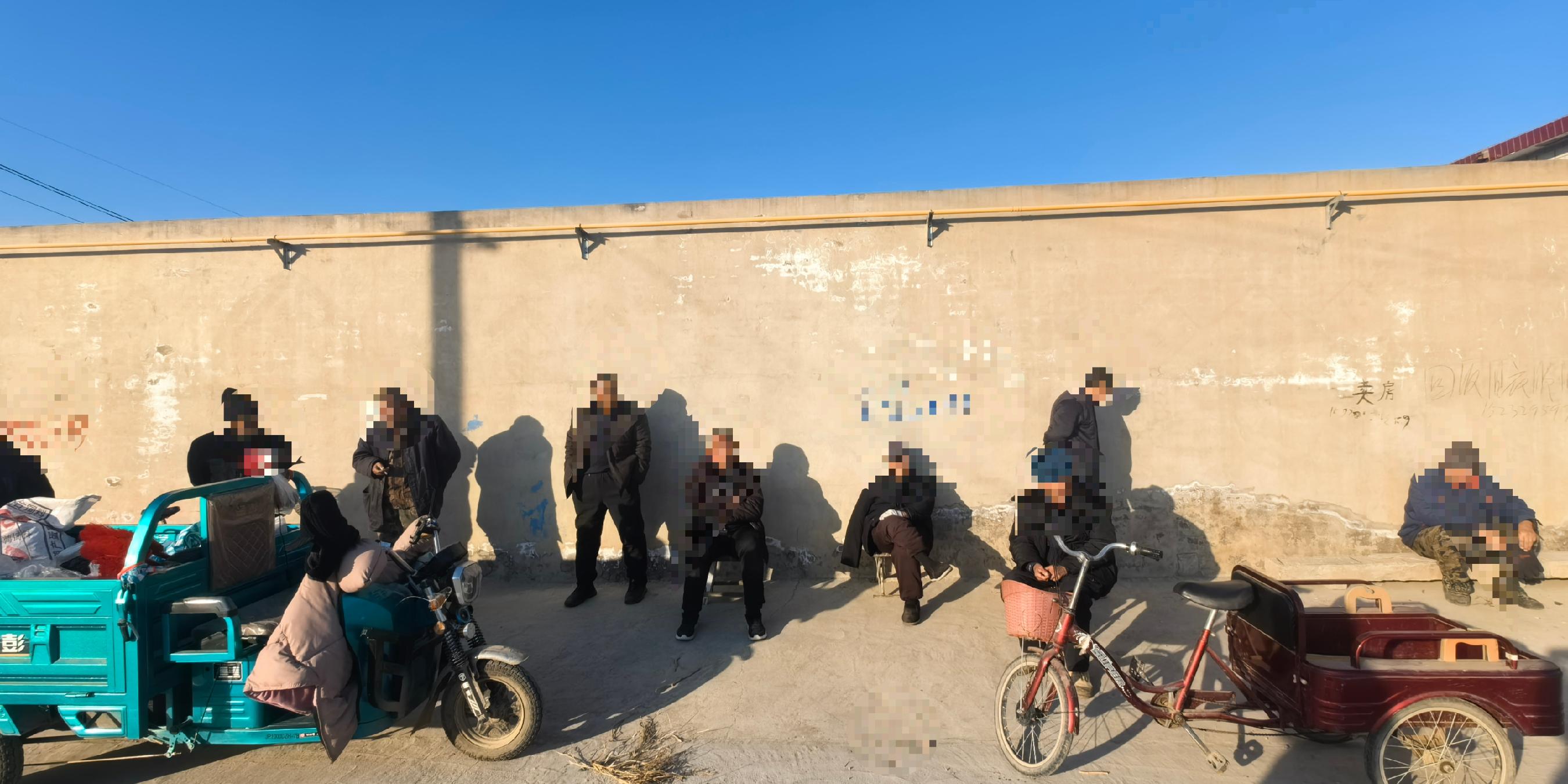
Core Viewpoint - The article highlights the struggles of rural residents in Hebei, particularly in terms of heating costs during winter, as many families cannot afford to use natural gas for heating, leading them to resort to alternative and often unsafe methods for warmth [6][22][41] Group 1: Heating Costs and Economic Strain - The cost of natural gas for heating in rural Hebei ranges from 3.15 to 3.4 yuan per cubic meter, significantly higher than in Beijing (2.61 yuan) and Tianjin (2.86 yuan), placing a financial burden on farmers with lower incomes [22][23] - Families like that of Kong Xuan face heating costs of 4,000 to 5,000 yuan for the winter, with estimates suggesting that continuous use of a gas boiler could exceed 15,000 yuan for the season, compared to only 2,000 yuan for coal in previous years [25][26][28] - Many elderly residents, who often rely on minimal agricultural income, find that heating costs can consume their entire annual earnings from farming, leading to severe financial distress [28][30] Group 2: Alternative Heating Methods - Due to the high costs of natural gas, many rural residents resort to burning tree roots or corn cobs for warmth, with some even secretly using coal despite regulations against it [11][39] - The article describes scenes of elderly villagers gathering around makeshift fires, highlighting the lengths to which they go to stay warm, often at the expense of safety and comfort [9][12][41] - Some elderly individuals have received special permissions to use clean coal for heating due to their financial hardships, indicating a gap in the implementation of the "coal-to-gas" policy [39][41] Group 3: Policy Impact and Community Response - The "coal-to-gas" initiative aimed at reducing air pollution has led to a significant shift in heating methods, but the lack of affordable alternatives has left many families in a precarious situation [34][39] - The withdrawal of government subsidies for natural gas has exacerbated the issue, making it increasingly difficult for rural families to afford heating [23][34] - The article notes that while some areas have seen a reduction in enforcement of coal-burning regulations, the fear of penalties still deters many from reverting to coal [39]

河北农村取暖费为什么居高不下?
Xin Lang Cai Jing· 2026-01-06 15:26
Core Viewpoint - The heating cost issue in rural Hebei has become a significant concern following the "coal-to-gas" policy, with many elderly residents unable to afford heating despite the cold conditions [2][4]. Group 1: Heating Costs and Policy Impact - A 100 square meter home in rural Hebei requires 20-30 cubic meters of natural gas daily to maintain a temperature of 18 degrees Celsius, leading to daily costs of 63-94.5 yuan, totaling 7,560-11,340 yuan for the winter [2]. - The "coal-to-gas" initiative aims to reduce air pollution by converting coal heating systems to natural gas, but the high costs have become a bottleneck in policy implementation [4][9]. - The average price of LNG in December was 4,063 yuan per ton, down 6.1% month-on-month and 9.8% year-on-year, indicating a trend of decreasing prices in the market [5]. Group 2: Supply and Pricing Dynamics - Despite a sufficient supply of natural gas, the high costs for rural users stem from a complex supply structure, with over 80% of gas sourced from long-distance pipelines, leading to high transmission losses [9][10]. - The price of natural gas in Hebei is higher than in other regions, with the first-tier price reaching 3.15 yuan per cubic meter, and in some areas, it has increased to 3.4 yuan per cubic meter [8][9]. - The government has introduced a price linkage mechanism for natural gas, but the implementation has been slow, and regional price disparities persist [8]. Group 3: Challenges in Rural Gas Supply - The dispersed nature of rural housing increases the cost of gas distribution, as the infrastructure for gas supply is less efficient compared to urban areas [10]. - The decline in subsidies for natural gas has exacerbated the financial burden on rural households, with subsidies dropping from around 1 yuan per cubic meter to as low as 0.2 yuan [12]. - Recommendations for addressing these issues include optimizing subsidy policies, improving gas source structures, and promoting energy efficiency in rural housing [12][13].
上游气足价跌,河北农村取暖费为何居高不下?
Xin Lang Cai Jing· 2026-01-06 14:36
Core Viewpoint - The heating cost issue in rural Hebei after the "coal-to-gas" policy implementation has become a significant concern, with many residents unable to afford the high costs of natural gas heating [1][3]. Group 1: Heating Costs and Policy Impact - A 100 square meter home in rural Hebei requires 20-30 cubic meters of natural gas daily to maintain a temperature of 18 degrees Celsius, leading to daily costs of 63-94.5 yuan, totaling 7,560-11,340 yuan for the winter [1]. - The "coal-to-gas" initiative aims to reduce air pollution by converting coal heating systems to natural gas, but it has resulted in high heating costs for rural residents [1][2]. - The average price of LNG in December was 4,063 yuan per ton, down 6.1% month-on-month and 9.8% year-on-year, indicating a trend of decreasing prices in the upstream market [4]. Group 2: Supply and Pricing Issues - Despite sufficient natural gas supply and low wholesale prices, the cost is not effectively transmitted to end-users due to complex supply chains involving multiple intermediaries [5][6]. - The price of natural gas in rural Hebei is higher than in other regions, with the first-tier price at 3.15 yuan per cubic meter, influenced by the reliance on long-distance pipeline imports [6][7]. - The lack of local low-cost gas sources and the weak bargaining power of local gas companies contribute to the high costs faced by rural consumers [7][8]. Group 3: Subsidy Challenges - Subsidies for natural gas have significantly decreased, from around 1 yuan per cubic meter at the start of the "coal-to-gas" initiative to as low as 0.2 yuan, increasing the financial burden on rural households [9]. - The reduction in subsidies has led to a situation where many rural users struggle to afford heating costs that can reach nearly 10,000 yuan during the winter [9][10]. Group 4: Recommendations for Improvement - Suggestions for addressing the heating cost issue include optimizing gas source structures, promoting energy efficiency in rural housing, and implementing differentiated subsidy policies for low-income households [10][11]. - Long-term contracts with upstream suppliers and potential reforms involving state-owned enterprises could help stabilize prices and reduce costs for end-users [11][12].
河北农村居民反映取暖贵
第一财经· 2026-01-06 13:46
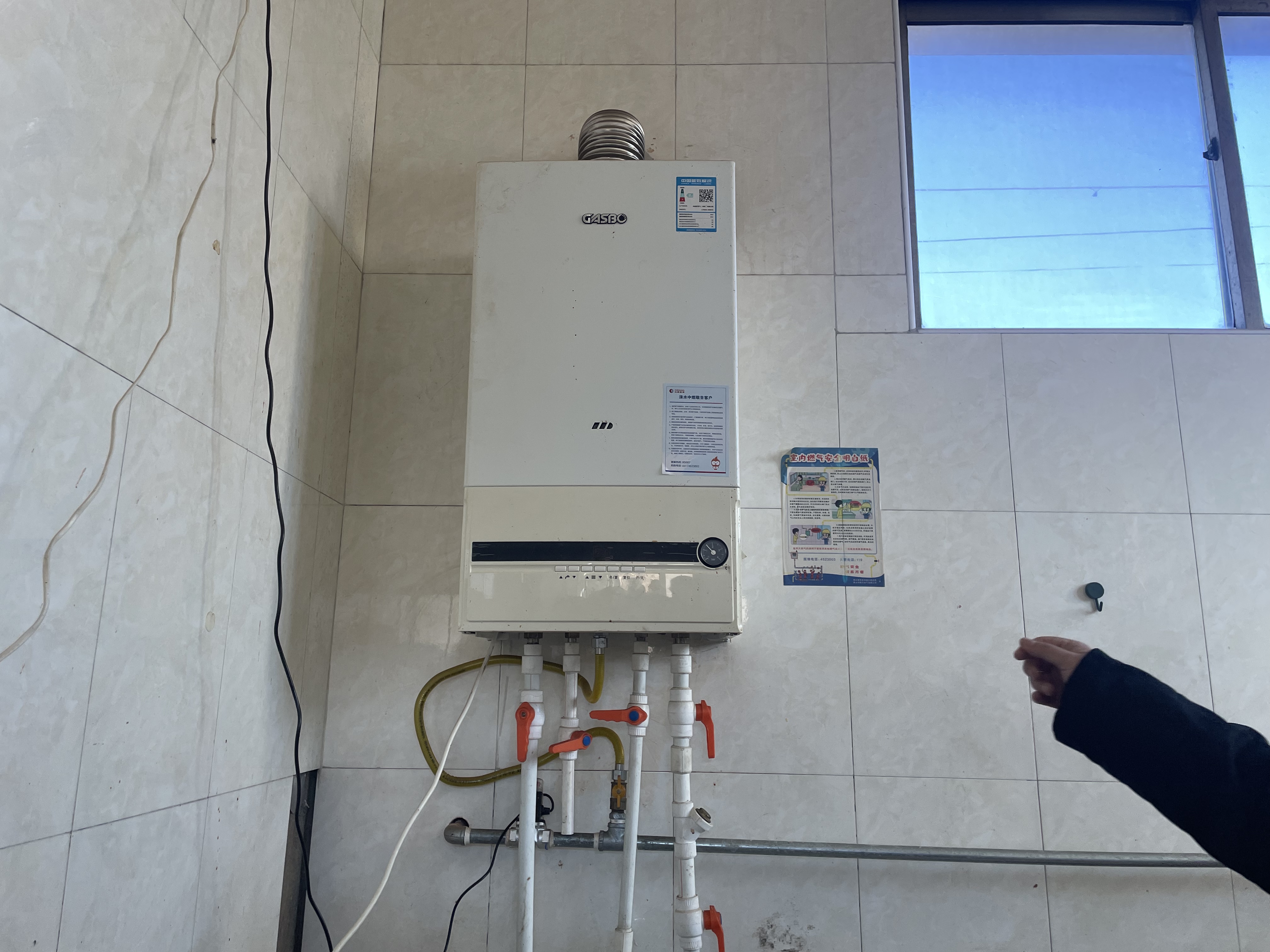
Core Viewpoint - The article highlights the rising heating costs for rural residents in Hebei province due to the "coal-to-gas" policy, which has led to increased natural gas prices and reduced subsidies, causing financial strain on households [3][4][6]. Group 1: Heating Costs and Subsidy Changes - Many families in Hebei are experiencing significantly higher heating costs after transitioning from coal to gas, with some reporting winter heating expenses exceeding 8,000 yuan [4][6]. - The average disposable income for rural residents in Hebei is 22,022 yuan for 2024, indicating that heating costs represent a substantial financial burden [4]. - The initial subsidies for gas heating were around 1 yuan per cubic meter, but have since decreased to as low as 0.2 yuan per cubic meter, exacerbating the cost issue for residents [5][6]. Group 2: Natural Gas Price Increases - Natural gas prices in Hebei have remained stable around 3 yuan per cubic meter, with a reported average increase of 0.391 yuan per cubic meter in 2023, marking a 14% rise [6]. - Specific cities like Shijiazhuang and Chengde have seen their residential gas prices increase to 3.15 yuan and 3.3 yuan per cubic meter, respectively [6]. Group 3: Equipment and Maintenance Challenges - Many households that adopted gas heating are facing the need to replace aging wall-mounted boilers, which can cost over 3,000 yuan, raising concerns about who will bear these costs [7]. - The article suggests that the transition to gas heating has improved air quality and living standards, but the reduction in subsidies poses new challenges for affordability [8]. Group 4: Policy Recommendations - Experts recommend a gradual transition in subsidy policies to avoid abrupt cuts, particularly for low-income households, and suggest linking subsidies to income and gas prices [8]. - There is a call for promoting efficient gas equipment and improving housing insulation to reduce gas consumption, as well as exploring alternative heating methods [8]. Group 5: Regional Policy Variations - Not all areas in Hebei are implementing the same subsidy reductions; for instance, Tangshan has committed to maintaining a subsidy of 0.8 yuan per cubic meter for gas users during the heating season [8]. - The economic strength of regions like Mian'an, which has a significantly higher average disposable income than the provincial average, allows for different subsidy strategies [9].

气价补贴退坡,河北农村居民反映取暖贵
Di Yi Cai Jing· 2026-01-06 13:21
Core Viewpoint - The balance between environmental goals and affordability for residents is a pressing issue for local governments, particularly highlighted by the rising heating costs in Hebei province due to the "coal-to-gas" initiative and subsequent subsidy reductions [1][4][6]. Group 1: Heating Costs and Subsidy Changes - The transition to gas heating has led to significantly higher costs for residents, with some families reporting winter heating expenses exceeding 8,000 yuan, compared to less than 2,000 yuan for coal previously [1][4]. - Hebei's rural residents have an average disposable income of 22,022 yuan in 2024, making heating costs a substantial burden [4]. - Initial subsidies for gas heating were around 1 yuan per cubic meter, but have now decreased to as low as 0.2 yuan per cubic meter in some areas, increasing the financial strain on residents [5][6]. Group 2: Impact of Price Adjustments - Natural gas prices in Hebei have remained stable around 3 yuan per cubic meter, with a reported average increase of 14% in 2023 [5]. - The adjustment of residential gas prices has been implemented in various regions, with some areas seeing prices rise to 3.3 yuan per cubic meter [5][6]. - The reduction in subsidies combined with rising gas prices has exacerbated the heating cost burden for "coal-to-gas" users [5][6]. Group 3: Recommendations and Local Variations - Experts suggest a gradual transition in subsidy policies to avoid abrupt cuts, particularly for low-income households, and recommend a dynamic adjustment mechanism linked to income and gas prices [6]. - There are variations in subsidy policies across different regions in Hebei, with some areas like Tangshan maintaining higher subsidy levels to support vulnerable groups [6][7]. - The economic strength of certain cities, such as Mian'an, which has a per capita disposable income of 36,065 yuan, indicates that local economic conditions can influence the effectiveness of subsidy policies [7].
农民日报:河北农村取暖问题,不能再耽搁了
Xin Lang Cai Jing· 2026-01-05 12:33
Core Viewpoint - The article highlights the heating difficulties faced by elderly residents in rural Hebei during winter due to high natural gas prices and decreasing subsidies, emphasizing the urgent need for effective solutions to ensure their well-being [1][6]. Group 1: Heating Costs and Subsidies - Since 2016, rural Hebei has implemented "coal-to-gas" initiatives to address environmental concerns, initially supported by substantial subsidies [1]. - Natural gas prices in rural Hebei remain high, ranging from 3.15 to 3.4 yuan per cubic meter, leading to winter heating costs between 5,000 to 10,000 yuan for a 100 square meter home [2]. - Subsidies have decreased from 1 yuan per cubic meter at the start to 0.2 yuan currently, making heating unaffordable for many families, especially given their annual income of only 10,000 to 20,000 yuan [3]. Group 2: Impact on Vulnerable Populations - The elderly, particularly those with limited mobility and health issues, are the most affected by the inability to afford heating, with monthly pensions insufficient to cover even a season's heating costs [5]. - The article stresses that ensuring warmth during winter is a fundamental right for rural elderly residents, highlighting the need for immediate action to address their heating challenges [5][6]. Group 3: Proposed Solutions - The article calls for the exploration of various heating technologies, including solar heating and clean coal stoves, to prevent the elderly from suffering in the cold [7]. - It emphasizes the necessity of maintaining and increasing subsidies to support rural elderly residents and vulnerable groups, ensuring that the transition to cleaner energy does not compromise their basic needs [7].