环境危机

Search documents
李公明|一周书记:流动的“食物之旅”中的……壮观与奇迹
Xin Lang Cai Jing· 2026-02-19 04:33
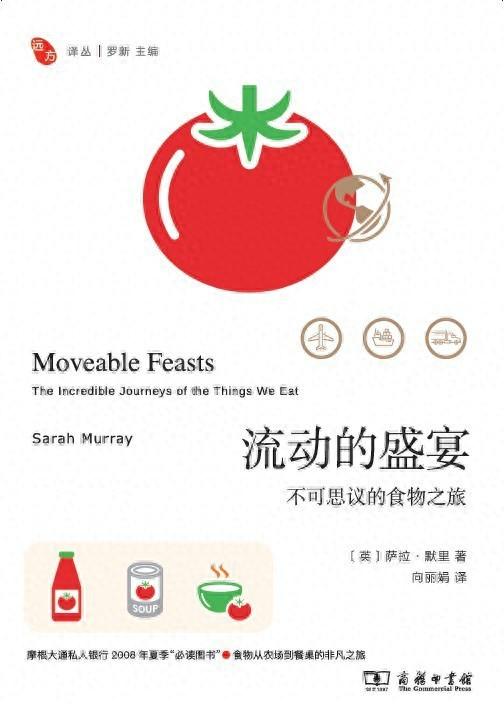
Core Insights - The book "Moveable Feasts: The Incredible Journeys of the Things We Eat" by Sarah Murray explores the complex journeys of food from production to consumption, highlighting the economic, social, and political implications of food transportation [3][5][12] Summary by Sections Food Journey and Globalization - The concept of "food miles" and "carbon footprint" is central to the discussion, reflecting the environmental impact of food transportation and the debate over local versus global food sourcing [7][20] - The book emphasizes that food transportation is not merely about the food itself but the intricate systems and technologies that enable these journeys, which have significant historical and cultural implications [11][12] Author's Background and Expertise - Sarah Murray is an experienced journalist and writer with a focus on global issues such as sustainability and social innovation, which lends credibility to her exploration of food transportation in the context of globalization [8][9] - Her firsthand experiences in various countries provide a rich narrative that enhances the understanding of food's journey across borders [9][10] Historical Context and Significance - The book addresses the historical neglect of food transportation in historical narratives, aiming to fill this gap by examining how food logistics have shaped human societies [11][12] - It discusses significant historical events, such as the Berlin Airlift, to illustrate the critical role of food transportation in political contexts [17][19] Environmental and Economic Considerations - The book presents a balanced view on the environmental criticisms of food globalization, arguing that while food miles raise awareness, they do not accurately reflect the complexities of carbon emissions associated with food transport [20][21] - It highlights the economic benefits of global food trade, particularly for farmers in developing countries, and the need for a nuanced understanding of the trade-offs involved [12][20] Technological and Cultural Impacts - The narrative explores the technological advancements in food transportation, from ancient methods to modern logistics, and their impact on food availability and cultural practices [13][16] - It emphasizes the interconnectedness of food, transportation, and societal changes, showcasing how these elements influence each other in the context of globalization [12][21]

沉船残骸漏油日趋严重,日本“幽灵舰队”毒害太平洋环礁
Huan Qiu Shi Bao· 2025-10-14 22:58
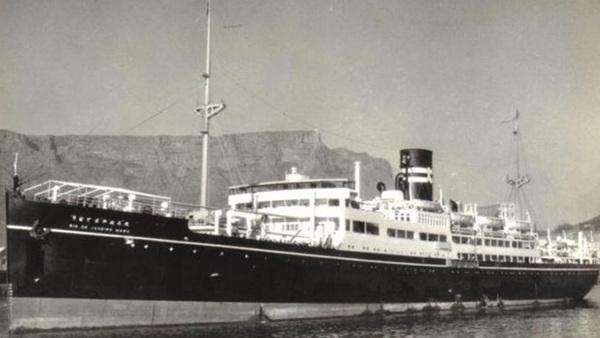
Core Points - An environmental crisis is emerging in the Federated States of Micronesia, specifically in Truk Lagoon, due to significant fuel leakage from the wreck of the Japanese ship "Rio de Janeiro Maru," which has been submerged for 80 years [1][3] - The Truk State Environmental Protection Agency confirmed that approximately 4,000 liters of fuel are leaking daily from the wreck, with the ship's metal structure severely corroded after decades of seawater exposure [3] - Local officials warn that this is just the beginning of a disaster, as there are over 60 sunken ships in the lagoon, containing an estimated 39.5 million liters of fuel and other hazardous waste [3][4] Environmental Impact - The leakage has led to a complete fishing ban in the surrounding waters, severely impacting local residents who rely on fish as their primary source of protein and income [4] - The local diving tourism industry has also been adversely affected, facing a standstill due to the pollution [4] Historical Context and Responsibility - Japan, as the original country of the sunken ships, holds historical and moral responsibility for the situation, having previously funded small-scale cleanup efforts and extracted about 21,000 liters of fuel in the past two years [4] - A joint statement was issued by Japan and the U.S. acknowledging the leakage risks and promising cooperation in remediation efforts, but actual support has been minimal since the Trump administration took office [4]

中东局势有变!伊朗迁都计划升级,恐影响全球能源供应链
Sou Hu Cai Jing· 2025-10-06 06:40
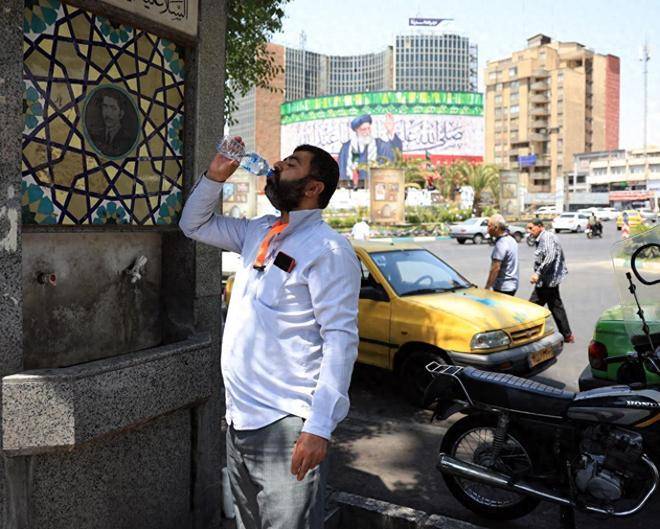
Core Viewpoint - Iran's plan to relocate its capital from Tehran to a southern region along the Persian Gulf is driven by urgent survival challenges, including resource pressures and environmental crises [1][3][6] Tehran's Dilemma: Resource Pressure and Environmental Crisis - Tehran, with a population exceeding 10 million, consumes nearly 25% of the country's total water supply daily, facing a dual water crisis due to significant drops in precipitation [3][6] - Average annual rainfall in Iran was only 140mm last year, a reduction of 50% to 60% compared to normal years, with predictions suggesting it could drop below 100mm by 2025 [3][6] - Water shortages have led to geological disasters, with some areas of Tehran experiencing ground subsidence of up to 30 centimeters annually due to excessive groundwater extraction [3][6] Ecological Warning: Rebuilding Balance with Nature - The current development model, which neglects ecological costs, is unsustainable, and there is an urgent need to restore the balance between humans and nature [3][6] - Neighboring cities like Karaj and Qazvin also face severe water shortages, complicating recovery efforts [3][6] Challenges and Strategic Significance of Relocation - The proposal to relocate the capital is controversial, as it involves systemic adjustments in national power structures, economic resource distribution, and social cultural habits [4][6] - The accumulated infrastructure and public service networks in Tehran would require comprehensive re-planning and rebuilding if the capital is moved [4][6] Persian Gulf: An Ideal Location for the New Capital - The choice of Hormozgan Province as the new capital site is strategic, as it is located on the northern shore of the Persian Gulf, adjacent to Dubai, facilitating better international trade and economic cooperation with Gulf countries [8][12] - Establishing a new capital in this region would integrate Iran into the key economic hub of the Middle East, enhancing its strategic advantages [8][12] Changing Development Models and Activating Southern Potential - The shift in focus from the northern highlands to coastal areas aims to activate the industrial potential of southern provinces, promoting economic structure upgrades [10][12] - Drawing inspiration from Dubai's success as a financial and logistics center, Iran could leverage its energy resources and cultural heritage to develop a new economic engine along the Persian Gulf [10][12] Future Challenges and Prospects - The path to relocation is fraught with challenges, including financial investments, administrative restructuring, and social adaptation, with sustainable resource utilization being critical for success [12][14] - The relocation is not merely a change of capital but a strategic breakthrough that could alter regional influence and power dynamics for Iran [14]