迁都战略

Search documents
中东局势有变!伊朗迁都计划升级,恐影响全球能源供应链
Sou Hu Cai Jing· 2025-10-06 06:40
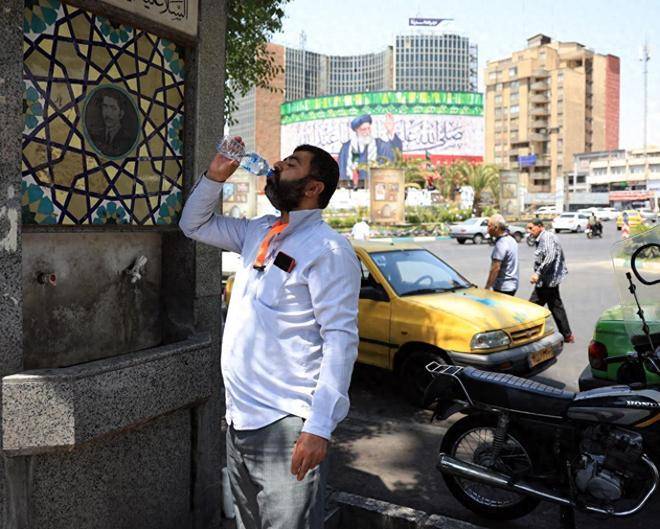
Core Viewpoint - Iran's plan to relocate its capital from Tehran to a southern region along the Persian Gulf is driven by urgent survival challenges, including resource pressures and environmental crises [1][3][6] Tehran's Dilemma: Resource Pressure and Environmental Crisis - Tehran, with a population exceeding 10 million, consumes nearly 25% of the country's total water supply daily, facing a dual water crisis due to significant drops in precipitation [3][6] - Average annual rainfall in Iran was only 140mm last year, a reduction of 50% to 60% compared to normal years, with predictions suggesting it could drop below 100mm by 2025 [3][6] - Water shortages have led to geological disasters, with some areas of Tehran experiencing ground subsidence of up to 30 centimeters annually due to excessive groundwater extraction [3][6] Ecological Warning: Rebuilding Balance with Nature - The current development model, which neglects ecological costs, is unsustainable, and there is an urgent need to restore the balance between humans and nature [3][6] - Neighboring cities like Karaj and Qazvin also face severe water shortages, complicating recovery efforts [3][6] Challenges and Strategic Significance of Relocation - The proposal to relocate the capital is controversial, as it involves systemic adjustments in national power structures, economic resource distribution, and social cultural habits [4][6] - The accumulated infrastructure and public service networks in Tehran would require comprehensive re-planning and rebuilding if the capital is moved [4][6] Persian Gulf: An Ideal Location for the New Capital - The choice of Hormozgan Province as the new capital site is strategic, as it is located on the northern shore of the Persian Gulf, adjacent to Dubai, facilitating better international trade and economic cooperation with Gulf countries [8][12] - Establishing a new capital in this region would integrate Iran into the key economic hub of the Middle East, enhancing its strategic advantages [8][12] Changing Development Models and Activating Southern Potential - The shift in focus from the northern highlands to coastal areas aims to activate the industrial potential of southern provinces, promoting economic structure upgrades [10][12] - Drawing inspiration from Dubai's success as a financial and logistics center, Iran could leverage its energy resources and cultural heritage to develop a new economic engine along the Persian Gulf [10][12] Future Challenges and Prospects - The path to relocation is fraught with challenges, including financial investments, administrative restructuring, and social adaptation, with sustainable resource utilization being critical for success [12][14] - The relocation is not merely a change of capital but a strategic breakthrough that could alter regional influence and power dynamics for Iran [14]