现实主义精神

Search documents
奇笔异彩写人物
Xin Lang Cai Jing· 2026-01-06 05:03
Core Viewpoint - "Ren Shi Chuan" is a classic work of Tang Dynasty literature that explores deep themes of humanity, love, and morality through the story of a romance between a human and a fox spirit, offering valuable insights into the nature of love and marriage even in contemporary society [1][4]. Group 1: Characterization and Themes - The portrayal of Ren Shi's beauty is notable for its subtlety, avoiding clichés and instead using simple yet evocative language to create a multi-dimensional image of her character [1][2]. - The narrative emphasizes the dynamic interaction of beauty through the reactions of various characters, which enhances the reader's imagination and foreshadows the deeper qualities of Ren Shi [2][3]. - Ren Shi's humility and loyalty in love, particularly her commitment to the impoverished Zheng Liu, highlight her advanced character traits that transcend time [2][3]. Group 2: Social Commentary - The story critiques the commercialization of love and marriage in contemporary society, where material wealth often overshadows emotional connection, leading to a hollow understanding of relationships [4][5]. - It underscores the importance of character and moral values over material conditions in choosing partners, suggesting that true wealth lies in sincerity and integrity [5][6]. Group 3: Literary Significance - "Ren Shi Chuan" serves as a model for modern literary creation, advocating for a balance between engaging storytelling and profound character development, while promoting positive values in the context of love and marriage [6]. - The work reflects the progressive cultural environment of the Tang Dynasty, encouraging contemporary writers to continue this tradition and address current societal issues through literature [6].
儿童剧如何成为舞台上的成长课?
Xin Hua She· 2025-05-14 22:56
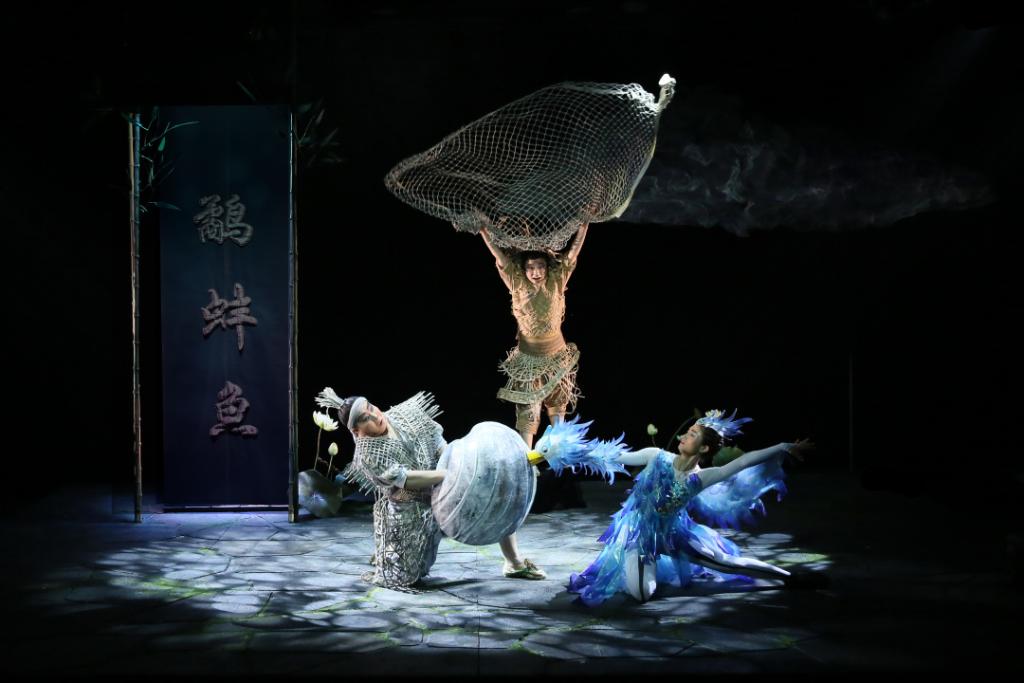
Core Viewpoint - The recent seminar organized by the China Writers Association and the China Dramatists Association highlighted the innovative and artistic expressions in new children's plays, emphasizing their role in children's growth and understanding of the world [1][2]. Group 1: Artistic Expression and Character Development - New children's plays are breaking through traditional narratives, using artistic expressions to resonate with children's hearts and present complex human experiences [2][3]. - The portrayal of characters in children's theater should reflect the complexities of human nature rather than simplistic good vs. evil dichotomies, as emphasized by theater professionals [3][8]. - Examples such as the puppet play "The One-Toothed Elephant" and the physical theater "Clam, Heron, and Fish" illustrate the depth of character struggles and moral dilemmas faced by the protagonists [3][4]. Group 2: Historical and Social Relevance - Children's theater often utilizes fairy tales, but it can also engage with historical narratives, as seen in "The Cat God in the Forbidden City," which connects children with significant historical events [9][10]. - The play "Firefly Siblings' Adventure" addresses contemporary social issues like environmental protection, reflecting the current era's challenges [10][12]. - The ability of children's plays to convey historical and social messages helps children develop a deeper understanding of their cultural heritage and societal responsibilities [9][12]. Group 3: Life Education and Emotional Growth - Children's theater serves as a medium for life education, confronting themes of loss, growth, and the complexities of existence, as demonstrated in plays like "Little Butterfly's Mother Where?" [13][17]. - The narrative of "The Little Ginkgo Tree" explores themes of survival and empathy, encouraging children to appreciate the value of all life forms [15][17]. - The responsibility of children's theater creators includes instilling values of respect, emotional expression, and moral understanding in young audiences [17][18].