《猫神在故宫》

Search documents
面对面丨百年故宫如何再出圈
Xin Lang Cai Jing· 2025-12-21 19:39
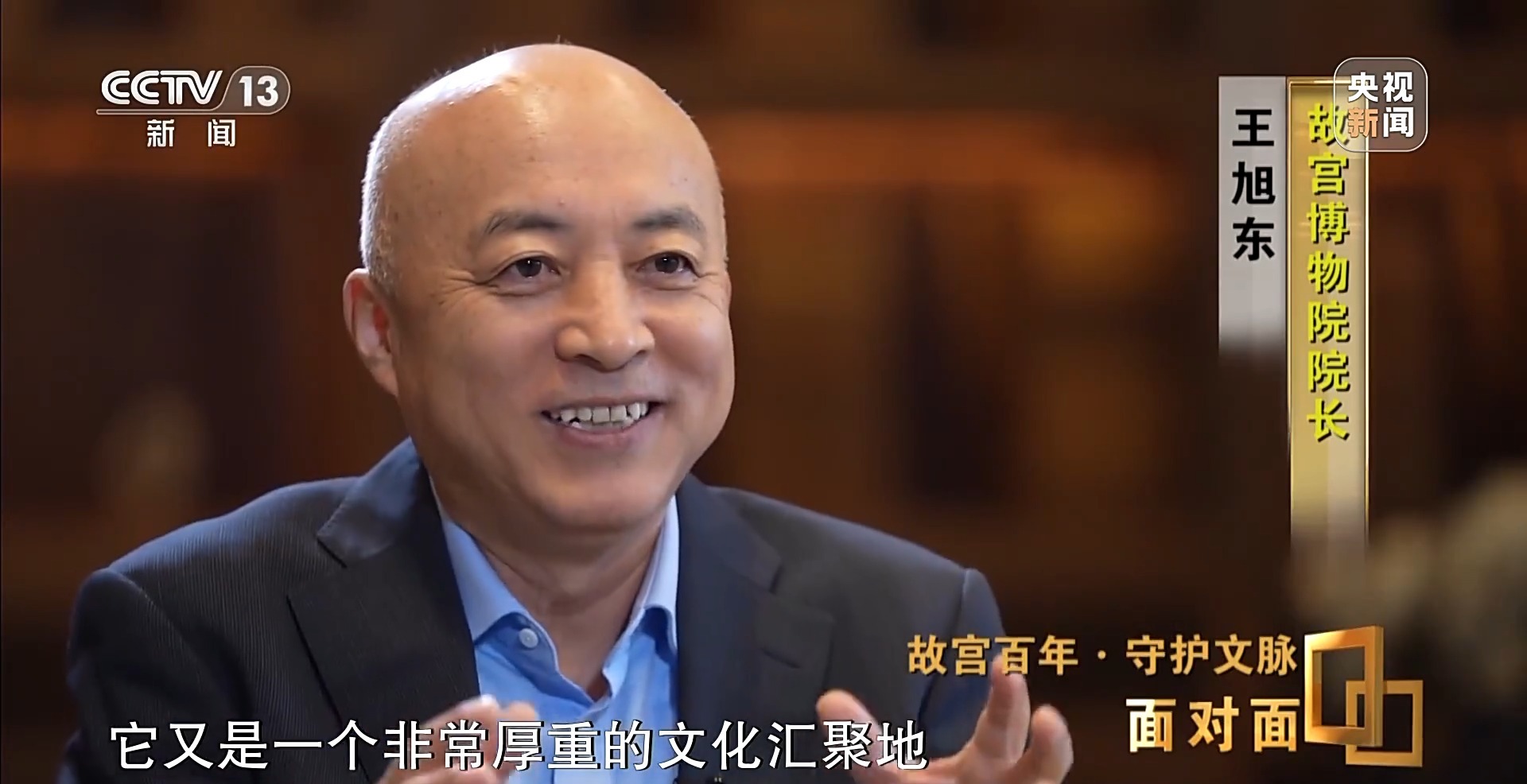
Core Viewpoint - The Palace Museum is celebrating its centenary in 2025, marking its transformation from an imperial palace to a national museum, and emphasizing its role as a global cultural heritage site [1]. Group 1: Historical Significance - The Palace Museum was established on October 10, 1925, and was listed as a UNESCO World Heritage Site in 1987, representing a significant cultural evolution from national memory to a shared human heritage [1]. - The museum has preserved 1.95 million cultural relics, forming an invaluable cultural treasure alongside the ancient architectural complex [75]. Group 2: Future Vision - Wang Xudong, the seventh director of the Palace Museum, emphasizes the importance of looking ahead 10 to 20 years to ensure sustainable development and cultural preservation [41]. - The museum aims to become a key base for patriotic education and a vital window for understanding Chinese civilization [75]. Group 3: Cultural Heritage Protection - The museum is actively involved in establishing an International Standardization Organization for cultural heritage protection, promoting global sharing and respect for human civilization [44]. - The integration of modern detection technology with traditional restoration methods has positioned the Palace Museum at the forefront of global cultural heritage protection [73]. Group 4: Digital Transformation - The "Digital Palace" initiative aims to preserve information and lay a solid foundation for cultural dissemination, with over 1 million cultural relics digitized [51]. - Digital technologies are being utilized to create engaging cultural products, enhancing public interaction with the museum's collections [45][51]. Group 5: Restoration Practices - The restoration approach emphasizes minimal intervention, focusing on preserving historical authenticity while ensuring safety [64]. - The ongoing restoration of the Yangxin Hall involves meticulous work on over 450 cultural relics, highlighting the complexity and dedication required in heritage conservation [69]. Group 6: Public Engagement - The "Hundred Years of Guardianship" exhibition showcases significant cultural relics and aims to deepen public understanding of the museum's history and mission [85]. - The exhibition has attracted numerous visitors, reflecting the strong cultural appeal and commitment of the Palace Museum staff to their roles as guardians of heritage [85].

第十四届中国儿童戏剧节在京开幕,4国42部剧目点亮暑期童心
Bei Jing Ri Bao Ke Hu Duan· 2025-07-05 04:05
Core Points - The 14th China Children's Theatre Festival opened on July 4 in Beijing, themed "Lighting Up Children's Hearts, Shaping the Future," and will run until August 17 [1] - The festival features 42 performances from 21 domestic troupes and international productions from Italy, Spain, and Turkey, totaling 185 offline shows, with sub-venues in Jiaxing, Changzhou, and Yulin [3] - The festival includes a simultaneous launch of the "Excellent Productions 2025 Summer Tour" with 122 performances of 16 works across 9 provinces, emphasizing low ticket prices and public welfare [5] - Since its inception in 2011, the festival has showcased 563 productions from 35 countries, reaching over 47 million audience members [7] - The opening ceremony featured children singing classic excerpts, and the opening play focused on ecological themes related to the Yangtze River [7]
文化新观察丨优质文化资源点亮百姓美好生活
Xin Hua Wang· 2025-05-29 18:25
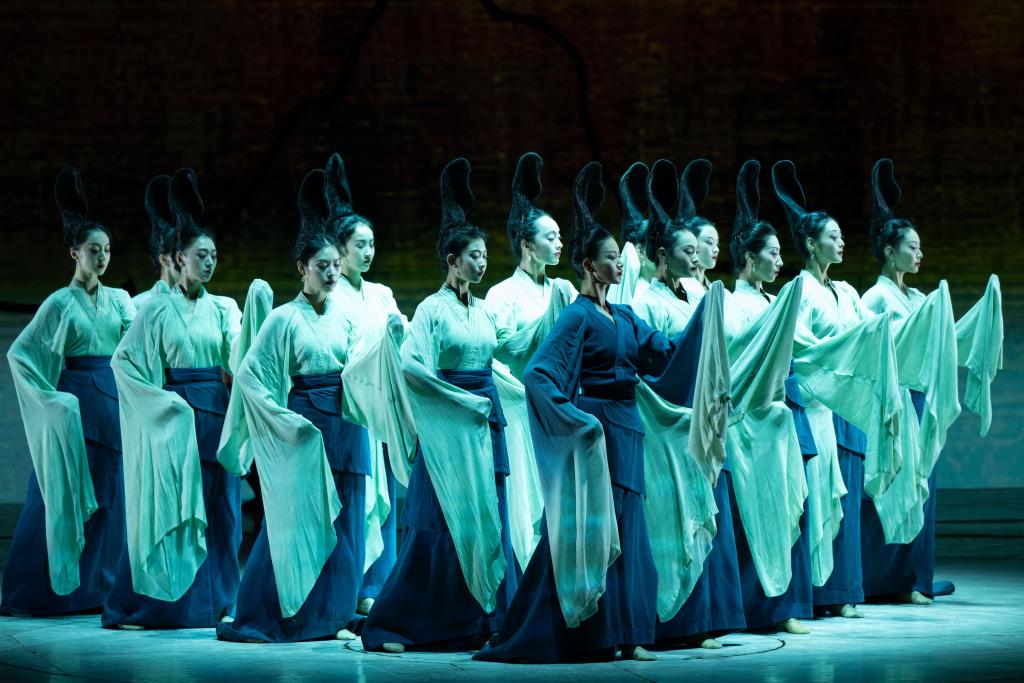
Group 1 - The core idea emphasizes the transformation of quality cultural resources into tangible happiness experiences for urban and rural development, enhancing people's lives through cultural engagement [1] - The phenomenon of "art breaking boundaries" is highlighted, showcasing how performances like the dance drama "Only This Green" have ignited public interest in traditional Chinese aesthetics through a combination of online and offline experiences [2][3] - National art troupes are actively engaging with communities, bringing high-quality performances to the public, which fosters a deeper connection between art and daily life [3] Group 2 - The development of new cultural spaces, such as the "24-hour Lighted Book House" and "Cultural Stations," reflects a shift in public cultural services from mere availability to quality, enhancing community cultural engagement [4][6] - The rise of rural cultural activities, such as "Village Super" events and seasonal village performances, illustrates the growing popularity of local culture and community participation in creative expressions [7][10] - The integration of traditional craftsmanship with modern entrepreneurial efforts, such as young artisans reviving heritage crafts, showcases the role of culture in rural revitalization and community identity [10]
儿童剧如何成为舞台上的成长课?
Xin Hua She· 2025-05-14 22:56
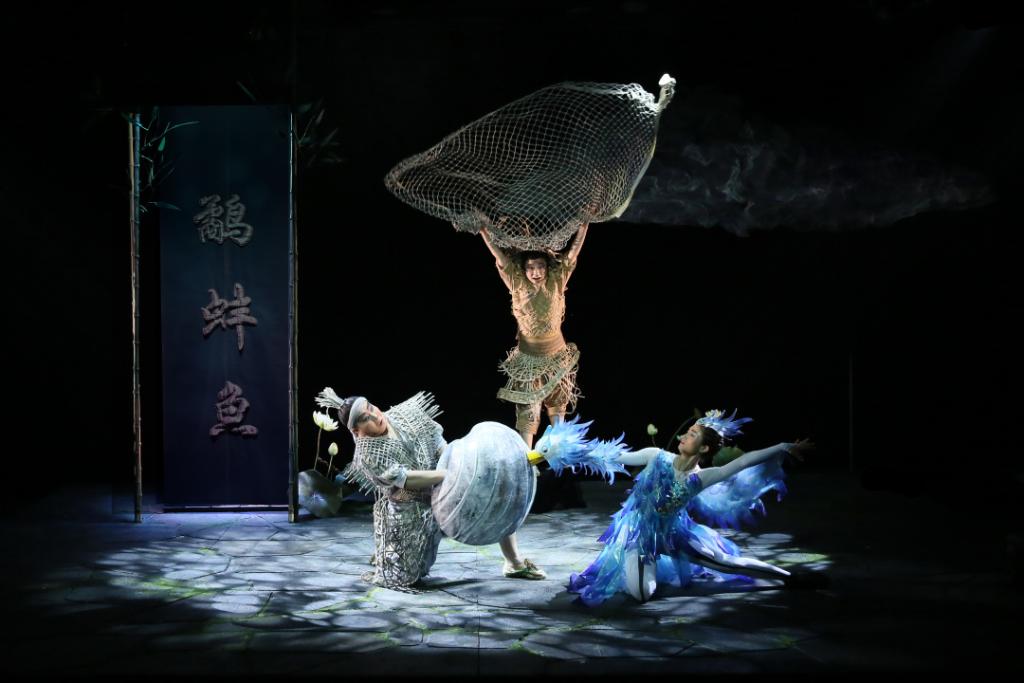
Core Viewpoint - The recent seminar organized by the China Writers Association and the China Dramatists Association highlighted the innovative and artistic expressions in new children's plays, emphasizing their role in children's growth and understanding of the world [1][2]. Group 1: Artistic Expression and Character Development - New children's plays are breaking through traditional narratives, using artistic expressions to resonate with children's hearts and present complex human experiences [2][3]. - The portrayal of characters in children's theater should reflect the complexities of human nature rather than simplistic good vs. evil dichotomies, as emphasized by theater professionals [3][8]. - Examples such as the puppet play "The One-Toothed Elephant" and the physical theater "Clam, Heron, and Fish" illustrate the depth of character struggles and moral dilemmas faced by the protagonists [3][4]. Group 2: Historical and Social Relevance - Children's theater often utilizes fairy tales, but it can also engage with historical narratives, as seen in "The Cat God in the Forbidden City," which connects children with significant historical events [9][10]. - The play "Firefly Siblings' Adventure" addresses contemporary social issues like environmental protection, reflecting the current era's challenges [10][12]. - The ability of children's plays to convey historical and social messages helps children develop a deeper understanding of their cultural heritage and societal responsibilities [9][12]. Group 3: Life Education and Emotional Growth - Children's theater serves as a medium for life education, confronting themes of loss, growth, and the complexities of existence, as demonstrated in plays like "Little Butterfly's Mother Where?" [13][17]. - The narrative of "The Little Ginkgo Tree" explores themes of survival and empathy, encouraging children to appreciate the value of all life forms [15][17]. - The responsibility of children's theater creators includes instilling values of respect, emotional expression, and moral understanding in young audiences [17][18].