生态友好型大坝

Search documents
北京二道河水库开工建设 预计2030年底完成主体建设
Xin Lang Cai Jing· 2026-02-03 08:28
Core Viewpoint - The construction of the Erdao River Reservoir is a critical project aimed at enhancing flood control capabilities in the southwestern region of Beijing, with a total capacity of 76.32 million cubic meters and expected completion by the end of 2030 [1][2]. Group 1: Project Overview - The Erdao River Reservoir is located in the upper reaches of the Dashi River basin, with the main dam being the first roller-compacted concrete gravity dam in Beijing, standing at 100 meters high, making it the tallest dam in the city [1][2]. - The reservoir is designed to reduce the historical maximum flood peak of 5,300 cubic meters per second, effectively controlling 75% of the mountainous watershed area of the Dashi River [2]. Group 2: Construction and Technology - The project will utilize advanced technologies such as intelligent compaction and temperature control to ensure high construction quality, and a digital twin platform will be established for more scientific and intelligent management of the reservoir post-commissioning [2]. - The construction tasks include road relocation, earthwork excavation, and concrete pouring, with a focus on adhering to the overall progress plan and key timelines to ensure the reservoir is operational by the end of 2030 [2]. Group 3: Flood Control Significance - Historically, the Dashi River basin has faced frequent flooding, with significant events recorded in 2012 and 2023, highlighting the urgent need for effective flood control measures [1]. - The completion of the Erdao River Reservoir is expected to significantly enhance flood safety in the southwestern part of the capital, providing a robust barrier against upstream floodwaters [2].
二道河水库开工建设
Xin Lang Cai Jing· 2026-01-26 16:55
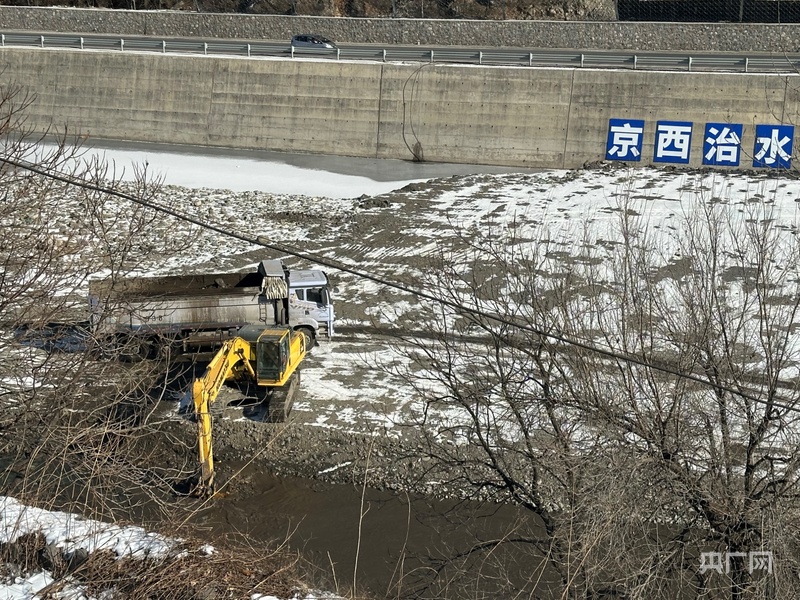
Core Viewpoint - The construction of the Erdao River Reservoir in Fangshan District is a significant project aimed at enhancing flood control capabilities in the Dashi River basin, with the reservoir expected to be completed by the end of 2030 [1][2]. Group 1: Project Overview - The Erdao River Reservoir will be the highest dam in Beijing, with a total storage capacity of 76.32 million cubic meters, and is classified as a medium-sized reservoir [1]. - The main dam will be a roller-compacted concrete gravity dam, standing at 100 meters high, and will primarily focus on flood control [1][2]. - The project will utilize advanced technologies such as intelligent compaction and temperature control, aiming to create an intelligent and eco-friendly dam [2]. Group 2: Flood Control Capabilities - Once completed, the reservoir will effectively control 75% of the mountainous watershed area of the Dashi River, designed to withstand a maximum flood flow of 5,300 cubic meters per second, which is equivalent to the highest recorded flood peak [2]. - The construction is part of a broader initiative to enhance the flood control infrastructure in the region, including other major water conservancy projects [2].
北京市最高大坝二道河水库启动建设 建成后将筑起京冀防洪安全屏障
Yang Guang Wang· 2026-01-24 02:41
Core Viewpoint - The construction of the Erdao River Reservoir has commenced, which will be the highest dam in Beijing upon completion, aimed at flood control and enhancing safety for the surrounding regions, including Xiong'an New Area and Zhuozhou City [1][2]. Group 1: Project Overview - The Erdao River Reservoir will have a maximum dam height of 100 meters and a total storage capacity of approximately 76.32 million cubic meters, designed to withstand a flow rate of 5,300 cubic meters per second [2][3]. - The project aims to mitigate the impact of severe flooding in the Dashi River basin, which has historically faced significant flood disasters [1][2]. Group 2: Construction Details - The construction involves advanced technologies such as intelligent compaction and temperature control to ensure high quality and efficiency [3][6]. - Key construction milestones include earth excavation by March 2026, diversion channel construction by November 2026, and completion of the dam by December 2030 [6][7]. Group 3: Environmental Considerations - The project incorporates eco-friendly designs, including the use of ecological platforms and vegetation restoration to blend the dam with the natural landscape [6]. - The construction process is designed to minimize energy consumption through smart technologies [6].