
智能大坝

Search documents
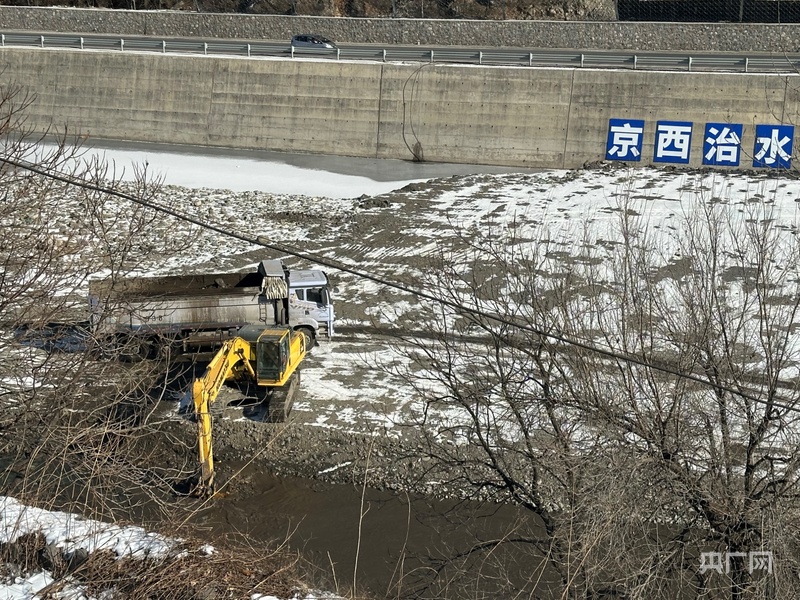
二道河水库开工建设
Xin Lang Cai Jing· 2026-01-26 16:55
Core Viewpoint - The construction of the Erdao River Reservoir in Fangshan District is a significant project aimed at enhancing flood control capabilities in the Dashi River basin, with the reservoir expected to be completed by the end of 2030 [1][2]. Group 1: Project Overview - The Erdao River Reservoir will be the highest dam in Beijing, with a total storage capacity of 76.32 million cubic meters, and is classified as a medium-sized reservoir [1]. - The main dam will be a roller-compacted concrete gravity dam, standing at 100 meters high, and will primarily focus on flood control [1][2]. - The project will utilize advanced technologies such as intelligent compaction and temperature control, aiming to create an intelligent and eco-friendly dam [2]. Group 2: Flood Control Capabilities - Once completed, the reservoir will effectively control 75% of the mountainous watershed area of the Dashi River, designed to withstand a maximum flood flow of 5,300 cubic meters per second, which is equivalent to the highest recorded flood peak [2]. - The construction is part of a broader initiative to enhance the flood control infrastructure in the region, including other major water conservancy projects [2].
北京市最高大坝二道河水库启动建设 建成后将筑起京冀防洪安全屏障
Yang Guang Wang· 2026-01-24 02:41
Core Viewpoint - The construction of the Erdao River Reservoir has commenced, which will be the highest dam in Beijing upon completion, aimed at flood control and enhancing safety for the surrounding regions, including Xiong'an New Area and Zhuozhou City [1][2]. Group 1: Project Overview - The Erdao River Reservoir will have a maximum dam height of 100 meters and a total storage capacity of approximately 76.32 million cubic meters, designed to withstand a flow rate of 5,300 cubic meters per second [2][3]. - The project aims to mitigate the impact of severe flooding in the Dashi River basin, which has historically faced significant flood disasters [1][2]. Group 2: Construction Details - The construction involves advanced technologies such as intelligent compaction and temperature control to ensure high quality and efficiency [3][6]. - Key construction milestones include earth excavation by March 2026, diversion channel construction by November 2026, and completion of the dam by December 2030 [6][7]. Group 3: Environmental Considerations - The project incorporates eco-friendly designs, including the use of ecological platforms and vegetation restoration to blend the dam with the natural landscape [6]. - The construction process is designed to minimize energy consumption through smart technologies [6].

新华网:2025年度水利科学技术研究五大前沿热点词发布
Shui Li Bu Wang Zhan· 2025-11-28 10:21
Core Insights - The National Science and Technology Terminology Approval Committee held its 2025 annual work meeting, announcing 68 frontier research hot terms across 11 disciplines, including five key terms related to water conservancy technology [1][3] Water Conservancy Technology Hot Terms - "National Water Network" refers to a comprehensive water conservancy engineering system that integrates water resource optimization, flood prevention, and ecological protection, utilizing natural rivers and lakes as a foundation [2] - "Smart Dam" represents the integration of new information technologies with traditional dam engineering, focusing on IoT, big data, AI, and digital twin technologies for enhanced management throughout the dam's lifecycle [2] - "Digital Twin Water Conservancy System" involves the digital mapping and intelligent simulation of physical water conservancy elements, enabling real-time interaction and optimization [2] - "Drought-Flood Transition" describes the extreme weather phenomenon where a region experiences severe drought followed by sudden heavy rainfall, necessitating urgent flood prevention measures [2] - "Happy Rivers and Lakes" emphasizes maintaining ecological stability and promoting high-quality development in river and lake systems, ensuring safety and satisfaction for local communities [2] Institutional Framework - The National Science and Technology Terminology Approval Committee, authorized by the State Council, is responsible for the authoritative approval and publication of scientific terminology, with a dedicated committee for water conservancy terminology [3] - Starting in 2024, the committee will regularly collect and publish annual frontier research hot terms to enhance the development of scientific disciplines and showcase advancements in science and technology [3]

从五个前沿热点词看2025年度水利科学技术研究亮点
Xin Hua She· 2025-11-25 23:59
Core Insights - The National Water Resources Technology Terminology Committee has identified five key research hotspots in water resources technology for 2025, including "National Water Network," "Smart Dams," "Digital Twin Water Resources System," "Drought-Flood Rapid Transition," and "Happy Rivers and Lakes" [1][2] Group 1: Research Hotspots - "National Water Network" refers to a comprehensive system that integrates water resource optimization, flood disaster reduction, and ecosystem protection, based on natural rivers and lakes [1] - "Smart Dams" are the result of integrating new information technologies with traditional dam engineering, focusing on IoT, big data, AI, and digital twin technologies for enhanced management throughout the dam's lifecycle [1] - "Digital Twin Water Resources System" involves digital mapping and intelligent simulation of physical water resources, utilizing spatial data and mathematical models for real-time interaction and optimization [2] Group 2: Extreme Weather Events - "Drought-Flood Rapid Transition" describes the extreme event where a region experiences worsening drought conditions followed by sudden heavy rainfall, necessitating immediate flood prevention and disaster response [2] Group 3: Ecological and Community Well-being - "Happy Rivers and Lakes" emphasizes maintaining the ecological stability of river and lake systems while ensuring community safety and promoting high-quality development, leading to a harmonious relationship between people and water [2] Group 4: Institutional Framework - The National Science and Technology Terminology Committee, authorized by the State Council, is responsible for the authoritative approval and publication of scientific terminology, with the National Water Resources Technology Terminology Committee focusing specifically on water resources terminology [2]
2025年度水利科学技术研究五大前沿热点词发布
Zhong Guo Xin Wen Wang· 2025-11-24 08:44
Core Insights - The National Committee for the Standardization of Scientific and Technological Terms has released five key frontier hot topics in water conservancy science and technology for 2025, reflecting current trends and future directions in the field [1][2]. Group 1: Key Hot Topics - "National Water Network" integrates water resource optimization, flood disaster reduction, and ecosystem protection, utilizing natural rivers and lakes as a foundation [2]. - "Smart Dams" combine new information technologies with traditional dam engineering, focusing on IoT, big data, AI, and digital twin technologies for comprehensive lifecycle management [2]. - "Digital Twin Water Conservancy System" involves digital mapping and intelligent simulation of physical water conservancy elements, enabling real-time interaction and optimization [2]. - "Drought-Flood Rapid Transition" describes extreme weather events where a region experiences severe drought followed by sudden heavy rainfall, necessitating emergency flood response [2]. - "Happy Rivers and Lakes" emphasizes maintaining ecological stability and promoting high-quality development in river and lake systems, ensuring safety and satisfaction for local communities [2]. Group 2: Institutional Background - The National Committee for the Standardization of Scientific and Technological Terms is an authoritative body authorized by the State Council, responsible for the approval and publication of scientific and technological terms [3]. - The National Water Conservancy Technology Terminology Committee, guided by the Ministry of Water Resources, aims to establish a comprehensive and scientifically standardized terminology system to support innovation and development in water conservancy [3].
“十四五”以来我国实施17994座水库除险加固
Xin Hua She· 2025-10-02 08:27
Core Points - The Ministry of Water Resources has implemented 17,994 dam reinforcement projects since the start of the 14th Five-Year Plan to ensure dam safety and enhance the functionality of reservoirs [1] - China has the largest number of dams, types of dams, and high dams in the world, necessitating a focus on building safe, ecological, and intelligent dams [1] Group 1: Safety Measures - The Ministry of Water Resources is assigning responsibilities for dam safety to local governments, reservoir management departments, and management units, emphasizing the "three responsible persons" for small reservoir flood control [1] - The focus on building safe dams includes the implementation of administrative, technical, and inspection responsibilities [1] Group 2: Ecological Initiatives - Efforts are being made to construct and upgrade ecological flow release facilities in water conservancy projects, ensuring the ecological water needs of rivers are met through timely ecological scheduling [1] Group 3: Intelligent Management - A modernized reservoir operation management matrix platform has been largely established, with 11,814 reservoirs participating in the matrix construction, significantly enhancing safety risk perception and forecasting capabilities [1]
《世界成都宣言》发布,呼吁建设更安全水库大坝应对极端水旱灾害
Xin Jing Bao· 2025-05-22 08:56
Core Insights - The 28th International Commission on Large Dams (ICOLD) conference opened in Chengdu, Sichuan, emphasizing the importance of dams in energy transition and climate change adaptation [1] - The "World Chengdu Declaration" was signed, calling for the construction of safer, more ecological, and smarter dams to meet increasing water supply demands due to climate change and to manage extreme water-related disasters [1] Group 1 - The Chinese Ministry of Water Resources emphasizes the importance of dam safety as a primary requirement throughout the entire lifecycle of dam construction and management [2] - The ministry aims to integrate ecological protection into the planning, design, construction, and operation of dams, promoting harmony between humans and nature [2] - The focus is on developing intelligent dams with advanced monitoring, predictive analysis, and decision-making support systems to enhance the comprehensive benefits of reservoir dams [2] Group 2 - The direction and goals for dam engineering development are centered on safety, ecology, and intelligence [2] - The Chinese Ministry of Water Resources advocates for global collaboration in building safe, ecological, and intelligent dams to ensure high-quality development in the dam engineering sector [2]
李国英出席国际大坝委员会第28届大会开幕式并作主旨报告
Shui Li Bu Wang Zhan· 2025-05-21 13:11
Core Points - The 28th International Commission on Large Dams (ICOLD) conference opened in Chengdu, Sichuan, focusing on the role of dams in energy transition and climate change adaptation [1][3] - The Chinese Ministry of Water Resources emphasizes the importance of building safe, ecological, and intelligent dams to ensure water security and promote high-quality water management [2][3] Group 1: Conference Highlights - The conference was attended by over 2,000 representatives from more than 80 countries and regions, along with over 10 international organizations, showcasing its global influence [3] - The "World (Chengdu) Declaration" was signed, calling for the construction of safer, more ecological, and smarter dams to better meet the challenges posed by climate change and extreme weather events [3] Group 2: China's Approach to Dam Management - The Chinese government aims to build a comprehensive dam system that prioritizes safety, ecological balance, and intelligent management throughout the dam's lifecycle [2][3] - The Ministry of Water Resources is committed to integrating ecological protection into the entire process of dam planning, design, construction, and operation, promoting river health and reducing carbon emissions [2] Group 3: Future Directions - The direction for dam engineering development is focused on safety, ecology, and intelligence, with a call for global collaboration in these areas [3] - The Ministry of Water Resources expresses willingness to deepen exchanges and cooperation with international water management organizations to enhance global water governance [3]
李国英出席国际大坝委员会第93届年会“数智赋能水库大坝建设和运维”专题研讨会并致辞
Shui Li Bu Wang Zhan· 2025-05-20 14:58
Core Viewpoint - The construction of smart dams is essential for addressing risk challenges, adapting to changes in the era, and shaping development momentum, aiming for high-quality development and safety interaction in dam operations [2]. Group 1: Smart Dam Concept - The primary goal of smart dams is to achieve high-quality development and high-level safety interaction, ensuring comprehensive, all-element, all-weather, and full-cycle perception of dam and environmental information [2]. - Smart dams will utilize digital twin technology to couple physical and digital dams, creating a synchronized simulation platform for comprehensive digital mapping and intelligent simulation of dam operations [2]. Group 2: Implementation and Features - The core feature of smart dams is future prediction, utilizing monitoring data and diagnostic analysis to forecast changes affecting dam safety and efficiency, providing timely warning information [2]. - The implementation path involves dynamic iteration and optimization of operational methods based on environmental changes, ensuring that dams remain vibrant while maintaining safety and stability [2]. Group 3: International Recognition - Approximately 450 representatives from international organizations, government agencies, research institutions, and enterprises attended the seminar, with experts highly praising China's smart dam concept and practices [3].