生态和谐

Search documents
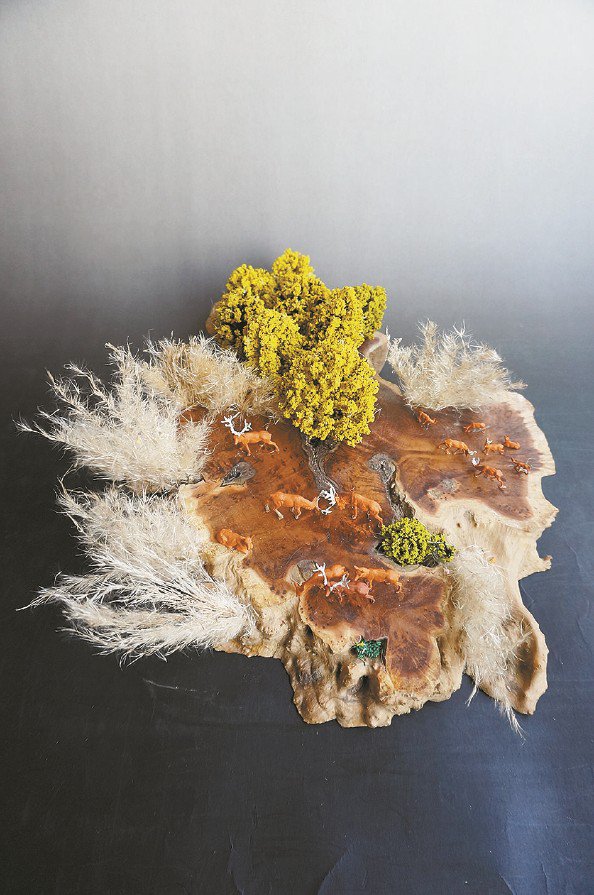
摆件·中华麋鹿园
Xin Lang Cai Jing· 2026-02-07 07:22
Core Viewpoint - The article highlights the ecological significance and cultural symbolism of the milu deer, emphasizing its resurgence in the Dafeng Milu Park as a representation of ecological commitment and harmony between nature and culture [2][3]. Group 1: Ecological Significance - The milu deer, known for its unique physical characteristics, was once nearly extinct due to climate change and other factors, but has seen a revival since 1983, indicating successful conservation efforts [3]. - The Dafeng Milu Park serves as a habitat where the milu deer population has been rejuvenated, showcasing the effectiveness of ecological protection measures [3]. Group 2: Cultural Symbolism - In Chinese culture, the milu deer symbolizes wealth, peace, and vitality, while in Western culture, it is also regarded as a symbol of good fortune [3]. - The milu deer embodies a vision of ecological harmony, reflecting the principle that "lucid waters and lush mountains are invaluable assets" [3].

从“一束光”到“一座城”:德阳灯会如何讲好有温度的城市故事
Sou Hu Wang· 2026-02-04 09:45
Core Viewpoint - The upcoming Deyang Lantern Festival aims to transform the city's rich cultural heritage into a contemporary emotional experience, emphasizing the importance of storytelling and community engagement [1][4]. Group 1: Cultural Storytelling - Deyang has numerous compelling stories, and the focus is on how to narrate them effectively. The festival is positioned as a "main stage for urban emotions," shifting the narrative approach [4]. - The festival incorporates local culture, weaving a nostalgic narrative through various light installations that represent local symbols and significant moments in the city's history [4]. - The festival encourages visitor participation through immersive interactions, allowing tourists to become active participants rather than mere observers, fostering a sense of belonging [4]. Group 2: Youth Engagement - Attracting younger demographics is essential for contemporary cultural tourism brands. The "Ten Thousand Faces of Bronze" light installation creatively engages with elements from the Sanxingdui culture and popular games, appealing to the interests of Generation Z [7]. - The integration of familiar cultural references and social media sharing encourages young visitors to become active creators and disseminators of content, enhancing brand engagement [7]. Group 3: Ecological Narratives - Unique light installations like the "Chinese Autumn Duck" and "Musk Deer Welcoming Spring" tell another dimension of Deyang's story, emphasizing ecological themes and the harmony between nature and urban life [9]. - The return of these natural elements symbolizes a deeper meaning of sustainable happiness and the city's commitment to ecological investment [9]. Group 4: Brand Development Strategy - The brand's growth strategy is outlined in a "three-year, three-step" plan: Year 1 focuses on "cultural return," Year 2 on "brand renewal," and Year 3 on "experiential co-creation," aiming to elevate the festival to a significant cultural phenomenon [11]. - The current festival is seen as a pivotal moment, aligning with the cultural significance of Sanxingdui and the brand's emotional resonance with visitors [11]. Group 5: Organizational Culture - The festival's organization emphasizes the value of teamwork and community spirit, aiming to create memorable experiences for families and visitors [13]. - The leadership promotes a warm organizational atmosphere, believing that a motivated team can produce emotionally resonant products that reflect the city's image [13]. Group 6: Future Vision - The long-term vision is to evolve the Deyang Lantern Festival from an annual event to a sustainable urban cultural brand over the next 3-5 years [16]. - Key initiatives include enhancing emotional connections, extending the festival's reach throughout the year, and integrating cultural tourism to create a cohesive narrative that showcases the city's character and innovation [16].