
文化自信

Search documents
铜师傅(00664):IPO点评报告
国投证券(香港)· 2026-03-25 05:35
Investment Rating - The report assigns a score of 5.1 for the IPO, indicating a cautious outlook on the investment potential of the company [9]. Core Insights - The company, Tongshifu, is a leading brand and manufacturer of copper cultural and creative products in China, holding a market share of 35.0% as of 2024 [1]. - Revenue is projected to grow steadily, with figures of 506 million, 571 million, and 617 million RMB for the years 2023, 2024, and 2025 respectively, reflecting growth rates of 0.6%, 12.8%, and 8.1% [1]. - The net profit is expected to be 44 million, 79 million, and 48 million RMB for the same years, with net profit growth rates of -22.5%, 79.5%, and -39.5% [1]. - The gross margin is forecasted to be 32.4%, 35.4%, and 33.7%, while the net margin is expected to be 8.7%, 13.8%, and 7.7% for the respective years [1]. Company Overview - Tongshifu's online direct sales accounted for 69.9%, 70.5%, and 70.9% of total revenue for the years 2023, 2024, and the first nine months of 2025 [2]. - The company is expanding its offline presence, with 18 direct stores and 63 stores operated by 53 authorized distributors as of September 30, 2025 [2]. Industry Status and Outlook - The market for copper cultural and creative products in China is expected to grow from 1.108 billion RMB in 2019 to 1.576 billion RMB in 2024, with a compound annual growth rate (CAGR) of 7.3% [3]. - Online sales are projected to increase from 638 million RMB in 2019 to 964 million RMB in 2024, with a CAGR of 8.6%, outpacing the industry average [3]. - The industry is characterized by high concentration, with the top three players holding approximately 71.9% of the market share in 2024 [3]. - Copper prices are anticipated to rise significantly, from 48.7 RMB per kilogram in 2020 to 80.9 RMB per kilogram in 2025, representing a CAGR of 10.7% [3]. Strengths and Opportunities - The company benefits from being a market leader with high brand recognition and a vertically integrated production model [4]. - The robust online sales network and rapid expansion of offline stores position the company well to capitalize on the growing trend of cultural confidence and domestic consumption [4]. Fundraising and Use of Proceeds - The company expects to raise approximately 418 million HKD, with 38% allocated for product development and design, 24% for capacity enhancement, and 24% for strengthening sales channels and marketing [12]. IPO Details - The IPO price range is set between 60 and 68 HKD, with an expected market capitalization of 3.86 to 4.38 billion HKD post-IPO [13].
IPO点评报告:铜师傅
国投证券(香港)· 2026-03-25 03:24
Investment Rating - The report assigns an IPO-specific score of 5.1 to the company, indicating a cautious outlook on its valuation and performance potential [9]. Core Insights - The company, Tongshifu, is a leading brand and manufacturer of copper cultural and creative products in China, holding a market share of 35.0% as of 2024 [1]. - Revenue is projected to grow steadily, with figures of 506 million, 571 million, and 617 million RMB for the years 2023, 2024, and 2025 respectively, reflecting growth rates of 0.6%, 12.8%, and 8.1% [1]. - The net profit for the same years is expected to be 44 million, 79 million, and 48 million RMB, with net profit growth rates of -22.5%, 79.5%, and -39.5% [1]. - The gross margin is forecasted to be 32.4%, 35.4%, and 33.7%, while the net margin is expected to be 8.7%, 13.8%, and 7.7% for the respective years [1]. Company Overview - Tongshifu's online direct sales, primarily from platforms like Tmall, JD, and Douyin, accounted for 69.9%, 70.5%, and 70.9% of total revenue for the years 2023, 2024, and the first nine months of 2025 [2]. - The company is expanding its offline presence, with 18 direct stores and 63 stores operated by 53 authorized distributors as of September 30, 2025 [2]. Industry Status and Outlook - The copper cultural and creative products market in China is expected to grow from 1.108 billion RMB in 2019 to 1.576 billion RMB in 2024, with a compound annual growth rate (CAGR) of 7.3% [3]. - Online sales in this market are projected to increase from 638 million RMB in 2019 to 964 million RMB in 2024, with a CAGR of 8.6%, outpacing the overall industry growth [3]. - The market is characterized by high concentration, with the top three players holding approximately 71.9% of the market share in 2024, and Tongshifu leading with a 35.0% share [3]. Strengths and Opportunities - As a market leader, Tongshifu benefits from high brand recognition and a vertically integrated production model, which creates a competitive barrier [4]. - The company is well-positioned to capitalize on the growing trend of domestic consumption and cultural confidence, particularly through its strong online sales channels [4]. Financial Projections and Valuation - The IPO price range is set between 60 and 68 HKD, with an expected market capitalization of 3.86 to 4.38 billion HKD post-IPO [10]. - The projected price-to-earnings (PE) ratio based on 2025 net profit is estimated to be between 70x and 80x, and between 43x and 49x based on 2024 net profit [13].
2026年第9周:酒行业周度市场观察
艾瑞咨询· 2026-03-11 00:07
Group 1 - The core viewpoint of the article highlights the evolving trends in the Chinese alcohol industry, particularly focusing on the beer sector and the shift towards quality over quantity in production and consumption [2][3][5] - The beer industry is expected to see production, revenue, and profit growth of 5%, 4%, and 18% respectively by 2025, indicating a transition towards value-driven growth [3] - Key events influencing the beer industry include the IPO of Jin Xing Beer, the bankruptcy of Tai Shan Beer, and the acquisition of craft beer by Mi Xue Group, which reflect significant market dynamics [3] Group 2 - The consumption trend during the Spring Festival shows a preference for lower-alcohol and health-oriented beverages, with a notable increase in sales of low-alcohol and health wines driven by younger consumers [4] - The rise of "生肖酒" (Zodiac wine) during the festive season integrates traditional cultural elements, enhancing its collectible value [4] - The industry is moving towards rational consumption, emphasizing personalized experiences and cultural resonance, as evidenced by the growing popularity of self-mixed drinks and online sales channels [4] Group 3 - The "15th Five-Year Plan" for the brewing industry emphasizes high-quality development through technological innovation, cultural empowerment, and green development, aiming to reshape the industry [5] - The plan includes the establishment of billion-level wine production areas and a modern industrial system, focusing on raw material security and technological upgrades [5] - The document outlines seven key tasks and 21 initiatives to enhance the industry's structure and competitiveness, supporting rural revitalization and cultural heritage [5] Group 4 - The Chinese wine market is undergoing structural changes, with a 26.85% decline in imported wine volume but a 21.79% increase in average price, indicating a shift towards premium products [6] - The Ningxia region accounts for nearly 50% of domestic wine production, highlighting the rise of local wineries and the growing preference for boutique wines [6] - The market is expected to focus on white wines and affordable premium products, with brand operations and channel integration becoming crucial for success [6] Group 5 - The yellow wine industry is experiencing a transformation with leading companies raising prices and expanding their market reach, driven by innovative marketing strategies [8] - The industry is seeing a significant increase in sales of products priced between 50-100 yuan, with a notable performance in the young market segment [8] - Future trends include a focus on high-end products, online and offline integration, and the emergence of unique production areas [8] Group 6 - Moutai is leveraging its iMoutai platform to attract younger consumers and expand its market presence, with a notable increase in foot traffic to physical stores [12] - The brand is undergoing a market-oriented transformation, focusing on consumer-driven growth and breaking traditional consumption barriers [12] - Moutai's strategic adjustments have led to significant sales increases in various regions, showcasing its resilience in a challenging market [12] Group 7 - The wine market is facing challenges such as declining consumer willingness and intense competition, yet Moutai Wine is achieving growth through systematic changes in channels and branding [13] - The brand has optimized its product structure and increased brand investment, leading to improved market recognition and sales performance [13] - Moutai Wine's proactive strategies during market downturns demonstrate its commitment to creating opportunities and driving growth [13] Group 8 - The Chinese liquor industry is undergoing profound changes, with brands like Marcy leveraging cultural elements to enhance product appeal and drive sales during the Spring Festival [16] - Marcy's success is attributed to its long-term market presence and innovative marketing strategies that resonate with consumers [16] - The brand's ability to adapt and thrive in a competitive landscape highlights the importance of strategic positioning and consumer engagement [16]







考古新成果阐释中华文明突出特性(考古中国)
Ren Min Ri Bao· 2026-02-28 00:26
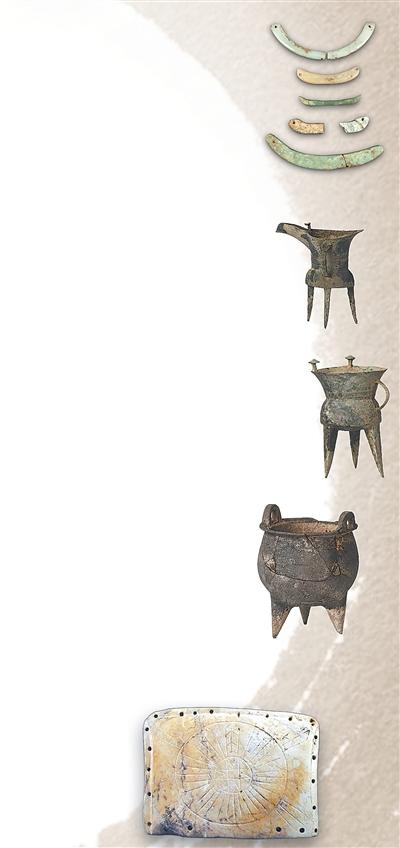
Core Viewpoint - The recent release of archaeological findings in China highlights a significant transformation in the field, moving from discovery-driven research to one that is propelled by advanced technology and theoretical frameworks [4]. Group 1: Archaeological Discoveries - Ten important research results were presented, covering a vast timeline from the early Paleolithic to the Tang Dynasty, utilizing various technological methods such as micro-trace analysis and ancient DNA sequencing [4]. - A study confirmed that 35 wooden tools found at the Yunnan Gantangqing site were made and used by ancient humans approximately 300,000 years ago, challenging previous notions of slow technological development in China's Paleolithic era [5]. - Research on genetic links between Tibetan and South Asian populations indicates that the Red River region was a hub for early migrations and interactions, providing biological evidence for the continuity of the Chinese national community [5]. Group 2: Cultural Evolution and Integration - The study of bronze culture evolution reveals that the so-called "new" bronze forms and techniques during the early Zhou Dynasty were actually continuations of earlier traditions, showcasing the integration of cultures during this period [6]. - Research on the planning of the Lingjiatan site demonstrates the advanced urban planning and social mobilization capabilities of its inhabitants over 5,500 years ago [6]. - Analysis of early bronze artifacts from the Erlitou culture clarifies their characteristics and indicates that the concept of using vessels for rituals was already established, contributing to the rise of central plains dynasties [6]. Group 3: Unification of Civilizations - The research emphasizes the long-term cultural development in the Yellow River basin, illustrating how the central plains became a cultural heart through prolonged interactions and exchanges [7]. - The migration and integration of agricultural and nomadic groups during the Eastern Zhou period contributed to the formation of a unified multi-ethnic state, with physical anthropological data providing evidence for this historical process [7]. - The Qin Dynasty's stone inscriptions confirm the early establishment of a unified state, extending its influence to remote regions over 2,000 years ago [8]. Group 4: Cross-Regional Interactions - The rise of the Sanxingdui civilization was linked to extensive interaction networks with the Central Plains and other regions, highlighting the unique style developed through resource sharing and technological exchange [9]. - The analysis of Tang Dynasty textiles from the Qinghai Dulan Hot Water Tombs reveals their production and trade routes, challenging previous theories about their origins and showcasing the openness of Chinese civilization to the world [9]. - The integration of traditional archaeology with natural sciences and big data is emphasized as essential for future research, aiming to enhance cultural confidence and narrate the story of Chinese civilization [9].
审美教育与人格塑造协同发展的高校美术教学研究
Xin Lang Cai Jing· 2026-02-26 04:13
Core Viewpoint - The article emphasizes the importance of art education as a vehicle for aesthetic education, focusing on the need for comprehensive talent development that integrates professional skills, aesthetic appreciation, and character building in higher education art programs [1][11]. Group 1: Educational Mission of Art Teaching - The mission of higher education art teaching has evolved from merely imparting skills to fostering holistic development, emphasizing the integration of aesthetic education and character cultivation throughout the teaching process [1][11]. - Art education aims to enhance students' cultural confidence and sense of responsibility by connecting them with historical and cultural contexts of artworks, such as the analysis of "A Thousand Li of Rivers and Mountains" [1]. Group 2: Teacher-Student Relationship Reconstruction - The traditional teacher-student dynamic, characterized by one-way knowledge transfer, is being transformed into a more interactive and reciprocal relationship, where teachers act as guides and collaborators [2]. - Teachers respect individual differences and encourage students to express their creative ideas, fostering a collaborative environment that enhances both teaching and learning experiences [2]. Group 3: Curriculum Content Expansion - The curriculum is shifting from a focus on aesthetic perception to value guidance, integrating aesthetic, humanistic, and value education to enrich the educational experience [3]. - Classic artworks are systematically selected for in-depth analysis, allowing students to explore the cultural and moral values embedded in these works, thereby shaping their worldview and values [3]. Group 4: Teaching Mechanisms for Aesthetic and Character Development - Aesthetic empathy is cultivated to enhance moral sentiments, helping students understand and appreciate the emotional depth of artworks, which in turn fosters compassion and responsibility [4][5]. - Artistic creativity is emphasized as a core objective, encouraging students to develop a spirit of innovation and resilience through the creative process, which also contributes to their overall character development [6]. Group 5: Cultural Understanding and Confidence - Cultural understanding is a key component of aesthetic ability, and fostering this understanding helps students build cultural confidence while enhancing their aesthetic appreciation [7]. - Through the appreciation of traditional Chinese art, students are encouraged to recognize and embrace their cultural heritage while critically engaging with foreign artistic influences [7]. Group 6: Integration of Art Teaching and Character Development - Deep interpretation of classic artworks serves as a means to inspire students' values and support their character development, linking personal growth with broader societal responsibilities [8][9]. - Practical experiences in art creation are essential for developing students' willpower and character, as they learn to overcome challenges and refine their artistic skills [9]. Group 7: Interdisciplinary Activities for Holistic Development - Interdisciplinary art activities break the confines of traditional art education, allowing for collaboration across various fields, which enhances students' aesthetic abilities and character traits [10]. - These activities promote teamwork, communication, and a positive attitude, contributing to students' overall personal growth and cultural engagement [10].
三峡大坝旅游“国潮”年味浓
Xin Lang Cai Jing· 2026-02-25 06:37
Core Viewpoint - The Three Gorges Dam tourism area experienced a significant increase in visitor numbers during the 2026 Spring Festival, with over 190,000 visitors, marking a 73.6% increase compared to the previous year, showcasing the area's cultural and tourism appeal [1]. Group 1: Visitor Statistics and Trends - From February 17 to 23, the Three Gorges Dam tourism area received over 190,000 visitors, a 73.6% increase year-on-year [1]. - The peak visitor days were from February 19 to 21, with daily attendance reaching the maximum capacity of 36,000 [1]. - The area has seen a continuous increase in visitor numbers, surpassing 3.2 million for three consecutive years [6]. Group 2: Cultural Activities and Engagement - The Spring Festival featured a series of cultural activities, including the "Non-heritage 'Horse' Starts" event, showcasing seven intangible cultural heritage skills [2]. - Activities included performances of traditional arts such as Xiling shadow puppetry and Song brocade weaving, allowing visitors to engage in hands-on experiences [2]. - The festival emphasized the integration of traditional music with modern elements, as seen in the new folk music concert that blended traditional instruments with contemporary sounds [2]. Group 3: Visitor Experience and Services - The tourism area implemented comprehensive measures to ensure visitor safety and comfort, including optimized tour routes and increased service points [4]. - Staff and volunteers provided attentive services across various roles, enhancing the overall visitor experience [4]. - The demographic of visitors has shifted towards a younger audience, with a notable increase in visitors aged 18 to 45, reflecting a growing interest in both modern engineering and traditional culture [9].
探星河之趣,筑乡土之梦——大河坪村青少年寒假研学活动侧记
Xin Lang Cai Jing· 2026-02-24 11:04
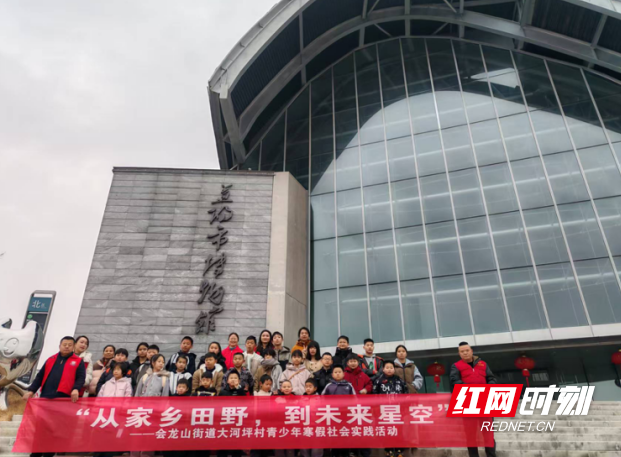
Core Viewpoint - The article highlights a successful youth social practice and research activity organized in Dayheping Village, Heshan District, Yiyang City, aimed at connecting local cultural heritage with future technological aspirations through hands-on experiences in museums and science centers [1][3]. Group 1: Cultural Heritage - The activity allowed over 30 youths to explore their local history through exhibits in a museum, showcasing artifacts from various historical periods, which deepened their understanding of Yiyang's cultural roots [3]. - Children participated in a hands-on experience with bronze culture, creating imprints of traditional designs, which sparked their interest in local history and culture [3]. - The initiative aimed to instill a sense of cultural confidence in the children, emphasizing that their hometown has rich stories and wisdom worth being proud of [3]. Group 2: Technological Aspirations - The science museum provided an immersive experience where children engaged with VR technology and robotics, fostering excitement and curiosity about future possibilities [3]. - The planning exhibition showcased Yiyang's urban development, allowing children to visualize their city's growth and express aspirations such as becoming scientists or improving their hometown [3]. - The event encouraged children to transform their experiences into tangible learning outcomes, reinforcing the connection between exploration and education [3][4].
跨越山海 情暖英伦
Ren Min Wang· 2026-02-24 06:32
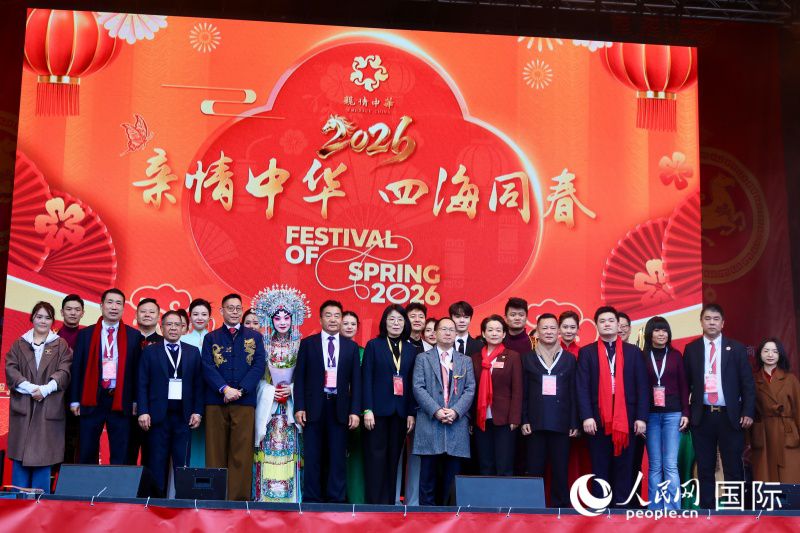
Core Viewpoint - The event "亲情中华·四海同春" held in Trafalgar Square, London, showcases cultural exchange between China and the UK, celebrating the Chinese New Year and strengthening ties among overseas Chinese and their homeland [1][3]. Group 1: Event Overview - The performance took place on February 22, 2026, featuring a blend of traditional Chinese art and modern elements, aimed at conveying warmth and New Year blessings from the homeland to overseas Chinese [1][3]. - The event attracted not only Chinese expatriates but also international tourists, creating a festive atmosphere in Trafalgar Square [3][4]. Group 2: Cultural Exchange - Chinese Ambassador to the UK, Zheng Zeguang, emphasized the significance of cultural exchange and the deepening friendship between the two nations during his speech [3]. - The performance included various traditional Chinese art forms, such as the national intangible cultural heritage of diabolo and Chinese kung fu, showcasing the beauty and strength of Chinese culture [4][5]. Group 3: Audience Engagement - The audience's response was enthusiastic, with many expressing their emotional connection to the performances, highlighting the universal appeal of Chinese cultural expressions [5][7]. - The event is part of a broader initiative by the Chinese Overseas Chinese Federation, which has organized numerous performances globally, enhancing cultural ties and celebrating Chinese heritage [7].
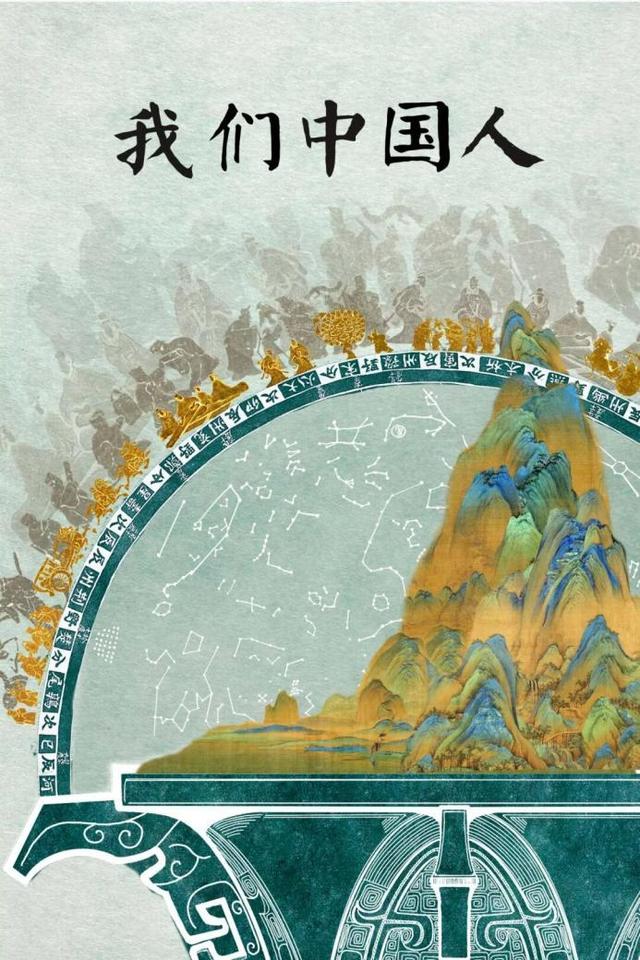
新潮观鱼:春节假期,这部纪录片用历史为中国人做了一幅“自画像”
Guan Cha Zhe Wang· 2026-02-24 01:58
Core Viewpoint - The documentary "We Chinese" explores the profound cultural identity of the Chinese people through historical narratives and figures, aiming to connect contemporary viewers with their cultural roots and values [3][12]. Group 1: Documentary Overview - "We Chinese" is a ten-part documentary aired on CCTV-9 during the Spring Festival, sparking cultural discussions across generations [1][3]. - The documentary employs a combination of grand narratives and micro perspectives to depict significant moments in Chinese history, showcasing the collective spirit and values of the Chinese people [3][4]. Group 2: Historical Figures and Themes - The production team focused on accumulating diverse materials to represent the collective personality and cultural traditions of the Chinese people, emphasizing the duality of historical figures and the unconventional nature of their stories [4][6]. - Key historical figures such as Confucius, Li Qingzhao, and Zhang Dai are portrayed in their moments of despair and realization, reflecting the struggles and resilience of the Chinese spirit [4][6]. Group 3: Artistic Style and Presentation - The documentary features a unique artistic style characterized by simplification, blank spaces, and imagery, enhancing the emotional impact of the historical narratives [7][12]. - Specific scenes, such as Sima Qian's suffering depicted through a snow scene, and Zhang Dai's story set against a slanted bamboo forest, are designed to evoke the characters' inner turmoil and cultural significance [8][10]. Group 4: Contemporary Relevance - The documentary raises contemporary philosophical questions relevant to modern Chinese society, such as the balance between ambition and contentment, the definition of happiness, and the relationship between modernity and tradition [12][13]. - It emphasizes the unique cultural identity and belief systems of the Chinese people, contrasting them with Western religious concepts, and encourages viewers to explore their cultural heritage [13].
推开传统文化那扇门,看见富丽堂皇
Xin Lang Cai Jing· 2026-02-23 21:43
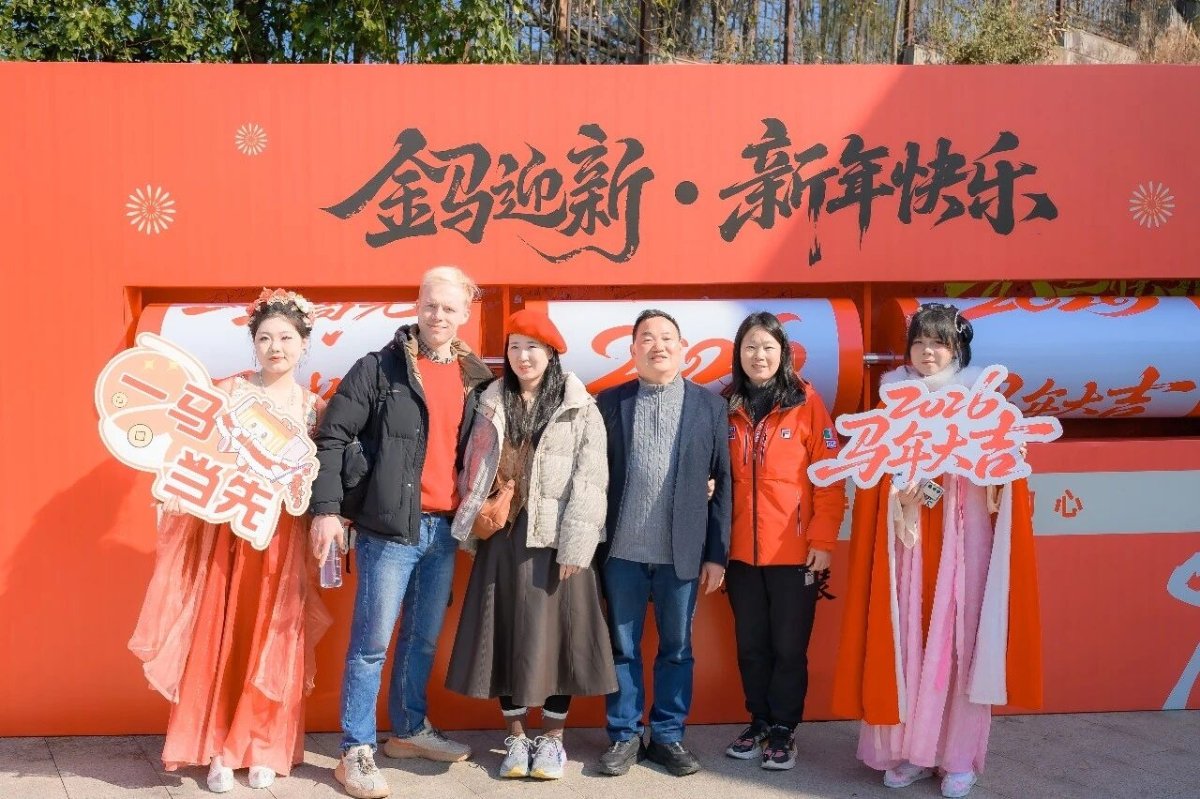
Core Viewpoint - The article highlights the growing popularity and cultural significance of Hanfu among young people in China, showcasing a shift from niche interest to mainstream acceptance and participation in traditional cultural activities [1][5]. Group 1: Cultural Engagement - Young people are actively participating in Hanfu events, with organized parades and cultural activities becoming common, reflecting a revival of traditional customs [1][2]. - The transformation of Hanfu from a niche interest to a daily wear option for young people indicates a broader cultural shift towards embracing traditional Chinese attire [3][5]. Group 2: Cultural Confidence - The younger generation expresses pride in Hanfu, viewing it as a representation of rich cultural heritage, which fosters a sense of cultural confidence [4][5]. - The perception of Hanfu has evolved from being seen as odd to being appreciated for its beauty, illustrating a significant change in societal attitudes towards traditional clothing [5][6]. Group 3: Innovation and Creativity - Young enthusiasts are not only wearing Hanfu but also innovating by mixing traditional elements with modern designs, showcasing a creative approach to cultural expression [3][6]. - There is a movement among young people to teach traditional crafts and skills to the next generation, indicating a commitment to preserving and promoting cultural heritage [6][7]. Group 4: Community and Collaboration - The formation of non-heritage workshops and community activities reflects a collective effort among young people to engage with and promote traditional culture [6][8]. - The article emphasizes the importance of collaboration among young individuals to enhance the visibility and appreciation of traditional crafts and attire [7][8].