生成式AI风险

Search documents
AI诈骗入侵电商领域,假图骗取退款,“洗脑”驯化大模型
Nan Fang Du Shi Bao· 2025-12-23 23:15
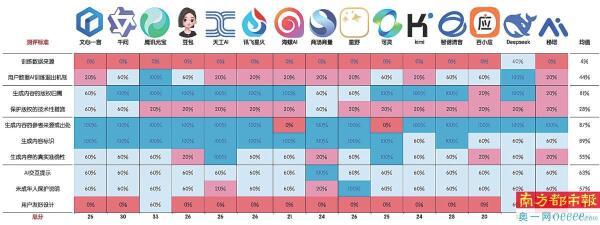
Core Viewpoint - The rapid advancement of generative AI is reshaping information production and dissemination, leading to an exponential increase in fake content and posing significant challenges for social governance [3][4][6]. Group 1: Generative AI Risks and Challenges - Generative AI has become a tool for scams, with incidents of AI-generated fake content proliferating across personal, industry, and societal levels [3][4]. - The report highlights 118 risk cases associated with generative AI, focusing on challenges to social trust and ethical dilemmas in human-machine interaction [2][3]. - AI scams are increasingly targeting vulnerable populations, such as the elderly, through deceptive practices like deepfake technology [3][4]. Group 2: Legal and Ethical Implications - There have been instances of academic misconduct involving AI-generated fake references, leading to retractions and investigations [4]. - Legal cases have emerged where lawyers used AI to generate fictitious legal precedents, raising concerns about the integrity of legal processes [4]. Group 3: AI Interaction and User Safety - The rise of AI companionship technologies has led to ethical concerns, including cases where interactions with AI have resulted in self-harm or violence [7][8]. - AI platforms are increasingly facing lawsuits related to their role in inducing harmful behaviors among users, particularly minors [7][8]. Group 4: Transparency and User Empowerment - A recent report assessed the transparency of 15 domestic AI models, revealing that only one disclosed the general source of its training data [11][12]. - The report emphasizes the need for enhanced transparency in AI services to ensure fairness, avoid bias, and comply with legal requirements [11][20]. - Some AI models have begun to offer users the option to withdraw their data from training processes, reflecting a move towards greater user empowerment [14][16]. Group 5: Regulatory and Governance Recommendations - The report calls for the establishment of global consensus and institutional rules to address the challenges posed by AI-generated fake content [6][20]. - Recommendations include strengthening platform regulation, clarifying responsibility boundaries, and promoting cross-border collaboration to mitigate the impact of AI-generated misinformation [6][20].