电子关系

Search documents
「断亲」之后,又流行群居网红了?
36氪· 2025-12-24 13:35
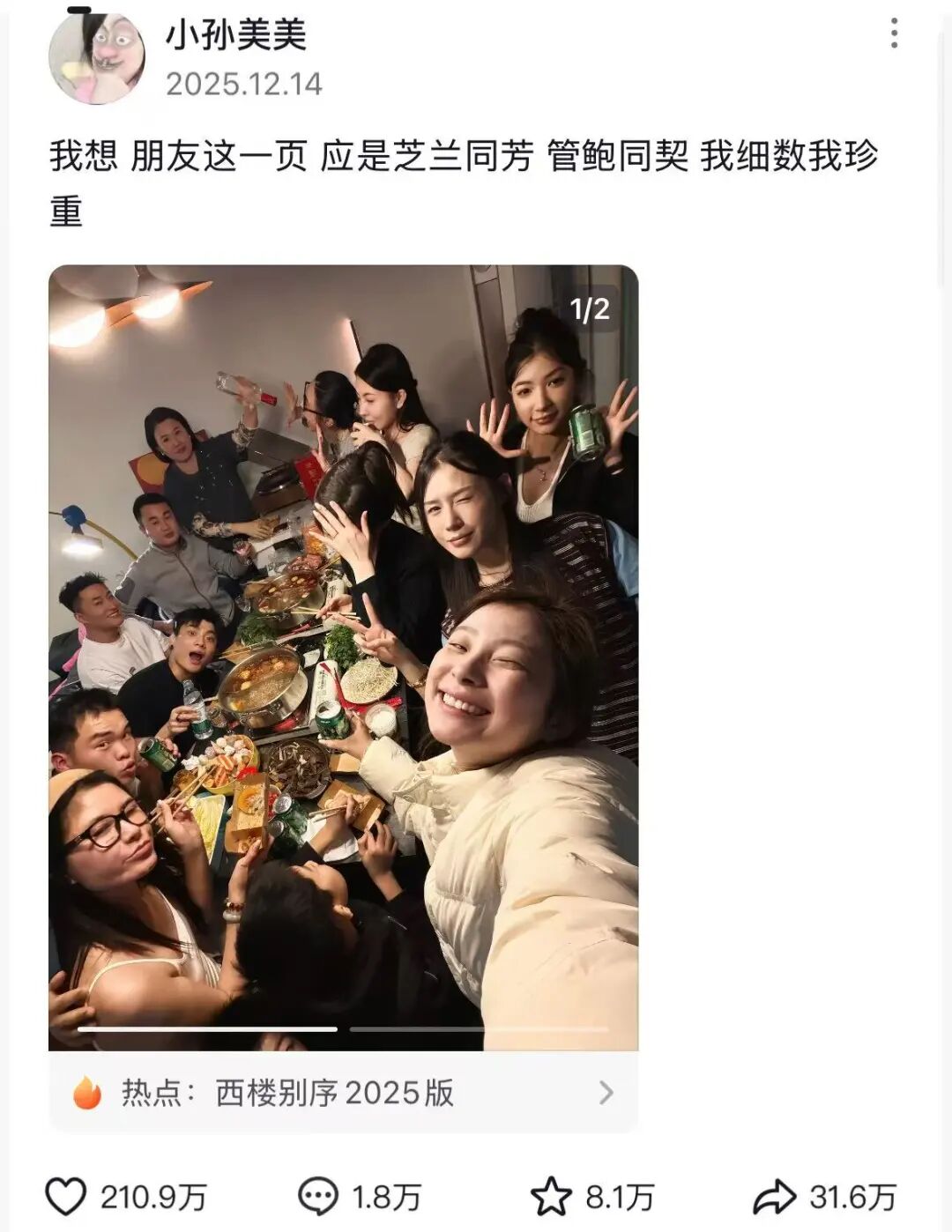
Core Viewpoint - The article discusses the shift in social dynamics from traditional relationships to "electronic relationships," highlighting the rise of group-oriented content creators and the growing demand for virtual connections as people feel increasingly isolated in their real lives [6][21]. Group 1: Trends in Social Relationships - The popularity of "group living" content creators is on the rise, as audiences seek more engaging and relatable narratives compared to the previously dominant solo influencers [9][10]. - The concept of "群像剧" (ensemble drama) has transitioned into short video content, with audiences finding collective stories more appealing than individual ones [11][19]. - The emergence of "电子关系" (electronic relationships) reflects a societal need for connection, compensating for the emotional void left by traditional familial and social ties [21][23]. Group 2: Content Creation and Audience Engagement - New creators like "7 个隆咚强" have quickly gained popularity by showcasing group dynamics and relatable experiences, achieving significant follower growth in a short time [15][17]. - Established creators are adapting to the trend by producing themed content that resonates with audiences, such as "微综艺" (micro-variety shows) that focus on group interactions [15][19]. - The rise of "电子爸妈" (electronic parents) illustrates how creators are meeting the emotional needs of their audience by providing a comforting and supportive virtual presence [24][26]. Group 3: Psychological and Social Implications - The article notes a growing desire for intimacy among individuals who feel increasingly distanced from their real-life relationships, leading to a demand for virtual connections [21][28]. - The phenomenon of "断亲" (cutting ties) is discussed as a response to toxic or unfulfilling relationships, with individuals opting for more fulfilling virtual interactions instead [30][32]. - The article emphasizes the importance of addressing emotional needs through electronic relationships, suggesting that these connections can serve as a form of emotional labor that alleviates the pressures of real-life social interactions [28][29].

“断亲”之后,又流行群居网红了?
3 6 Ke· 2025-12-23 07:33
Core Viewpoint - The article discusses the shift in social dynamics on the internet, particularly the rise of "group living" content creators and the increasing desire for electronic relationships as people seek to fill emotional voids left by traditional familial and social structures [1][6][18]. Group 1: Social Dynamics and Trends - The popularity of "group living" content creators is on the rise, as individuals move away from solitary influencers towards more communal and interactive online experiences [6][9]. - The concept of "electronic relationships" has emerged as a response to the growing emotional distance in real-life relationships, with people seeking virtual connections to fulfill their social needs [18][20]. - The trend of "断亲" (cutting ties) reflects a conscious choice by individuals to distance themselves from unfulfilling relationships, leading to a vacuum in social connections that electronic relationships aim to fill [25][27]. Group 2: Content Creation and Audience Engagement - New creators like "隆咚强" have quickly gained popularity by focusing on group dynamics and relatable content, showcasing the appeal of shared experiences over individual narratives [13][15]. - Established influencers are adapting to the trend by creating themed content that resonates with audiences, such as "微综艺" (micro-variety shows) that explore group interactions and emotional themes [15][18]. - The rise of "电子爸妈" (electronic parents) illustrates how creators are responding to the demand for nurturing and supportive relationships, providing emotional labor through virtual interactions [20][22]. Group 3: Emotional and Psychological Aspects - The article highlights a psychological phenomenon where individuals regress to earlier emotional states when faced with unmet desires in real life, seeking comfort in virtual relationships [22][24]. - The need for emotional validation and connection is driving the popularity of electronic relationships, as individuals find solace in the supportive interactions offered by online creators [24][29]. - The article suggests that while electronic relationships can provide temporary relief, they may also hinder individuals' ability to engage with complex real-life social dynamics [29][33].