电子废料提金

Search documents
央视辟谣“每张手机SIM卡含0.02克黄金”,实际相差1000倍
Sou Hu Cai Jing· 2026-01-27 17:07
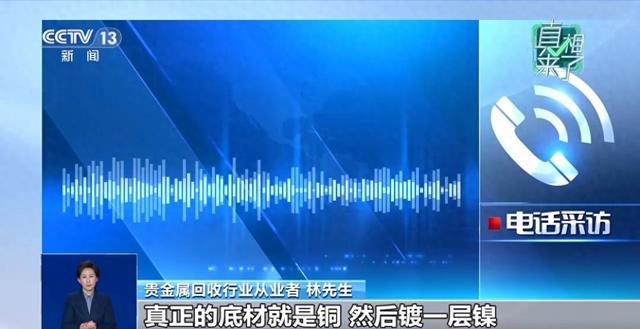
Core Viewpoint - The viral video claiming to extract gold from SIM cards is misleading, as the actual amount of gold recoverable is significantly lower than reported, with industry experts clarifying the facts [1][2]. Group 1: Gold Recovery from SIM Cards - A viral video showcased the extraction of 191.73 grams of gold from electronic waste, claiming each SIM card contains 0.02 grams of gold, which is inaccurate [1]. - Industry expert Lin stated that a typical Nano-SIM card can yield only 0.02 milligrams of gold, a discrepancy of 1000 times compared to the claims made in the video [2]. Group 2: Industry Insights - The precious metal recovery industry is well-established, with various electronic devices, including SIM cards, having gold plating to prevent oxidation [2][4]. - The process of extracting gold from electronic waste is complex and costly, requiring significant quantities of materials to be economically viable [4][7]. Group 3: Legal and Environmental Considerations - Ordinary individuals attempting to extract gold from electronic waste face legal challenges, as the chemicals required for the process, such as nitric and hydrochloric acid, are regulated [5][7]. - The extraction process can produce hazardous waste, necessitating professional handling to avoid environmental damage [5][7].


真相来了丨SIM卡“炼金”视频热传 专家提醒:自行提炼可能违法
Xin Lang Cai Jing· 2026-01-27 14:46
Group 1 - The viral video showcasing "alchemy" from electronic waste, particularly SIM cards, claims to extract significant amounts of gold, but the reality is much different [1][2] - The actual amount of gold recoverable from a standard Nano-SIM card is approximately 0.02 milligrams, which is 1000 times less than some claims [2][4] - The process of extracting gold from electronic waste is complex and requires specialized knowledge and equipment, making it impractical for ordinary individuals [6][8] Group 2 - The gold used in SIM cards and other electronic devices serves a functional purpose, primarily to prevent oxidation of copper circuits, ensuring better conductivity [4][6] - The precious metals recovery industry is well-established, but profitability is only achievable through large-scale operations due to high costs associated with collection and processing [9][11] - Legal regulations require businesses to have specific licenses for handling hazardous materials, and improper disposal of waste can lead to environmental damage [8][9]