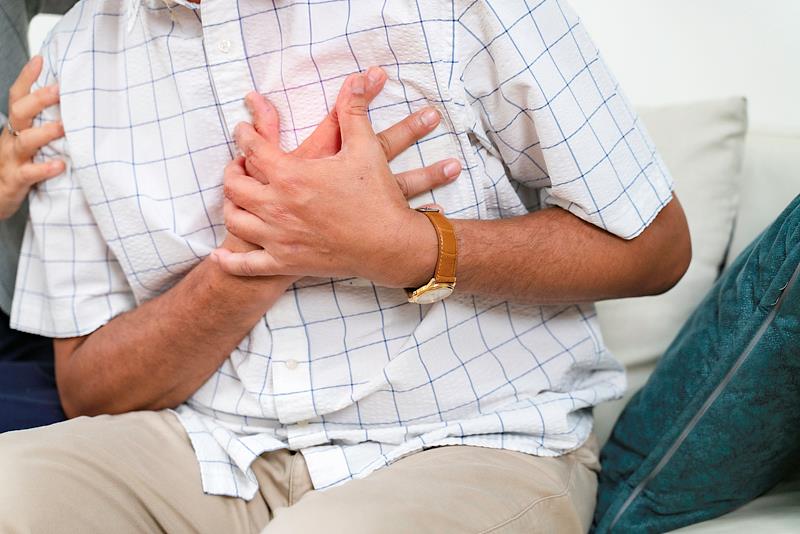
病毒性心肌炎

Search documents
甲流退烧后骑车,孩子突发心肌损伤!紧急提醒
Xin Lang Cai Jing· 2025-12-21 06:20
Core Viewpoint - The article discusses the risks of myocarditis following viral infections, particularly in children, emphasizing the importance of awareness and prevention strategies. Group 1: Myocarditis Overview - Myocarditis can result from viral infections, with symptoms including elevated cardiac enzyme levels and potential heart function decline [1][2] - The condition typically progresses through two phases: the "inflammatory storm" phase during the initial infection and the "immune phase" post-fever, where the body’s immune response may inadvertently damage heart tissue [2][4] Group 2: Risk Factors and Symptoms - High-risk groups for myocarditis include children, young adults aged 16 to 40, and individuals with weakened immune systems [5] - Symptoms to watch for include chest discomfort, palpitations, fatigue, and shortness of breath, especially following a viral infection [6] Group 3: Diagnosis and Treatment - Cardiac enzyme levels are critical for diagnosis, with levels above 100 units per liter indicating a need for hospitalization [3] - Early detection and treatment are crucial to prevent irreversible heart damage and potential progression to chronic heart failure [7] Group 4: Prevention Strategies - Key prevention strategies include adequate rest, enhancing immune resistance, and timely medical treatment during viral infections [7]
感冒、发烧后千万别做这种事!严重会猝死
Yang Shi Xin Wen· 2025-11-05 02:05
Group 1 - The article emphasizes the importance of avoiding strenuous exercise after catching a cold, as it may lead to serious health issues like viral myocarditis [3][11] - Symptoms of myocarditis include fever, body aches, and respiratory difficulties, which can escalate to heart-related issues if exercise is resumed too soon [5][11] - Viral myocarditis is primarily caused by viral infections, which are more prevalent during certain periods, highlighting the need for preventive measures against viruses [9][10] Group 2 - Recommendations for preventing viral infections include wearing masks in crowded places, maintaining hygiene during meals, avoiding overexertion, eating a balanced diet, and staying warm [10] - The article suggests a "neck rule" for determining exercise suitability during a cold, where symptoms above the neck may allow for light exercise, while symptoms below the neck warrant rest [13] - Overall, the article advocates for rest and recovery during illness rather than immediate physical activity, stressing that exercise should be a regular practice rather than a last-minute effort [13]