病毒感染

Search documents
广东一高中生体育课上心跳骤停,抢救20天后苏醒,医生提醒:感冒、发烧后别觉得“扛一扛就好”
Xin Lang Cai Jing· 2026-02-02 08:44
Core Viewpoint - The article highlights a critical case of a 15-year-old boy who suffered from fulminant myocarditis, leading to cardiac arrest during a physical education class, and emphasizes the importance of timely medical intervention and awareness of symptoms related to viral infections and heart health in adolescents [1][7]. Group 1: Incident Overview - A 15-year-old high school student experienced severe chest discomfort and cardiac arrest during a warm-up run at school, leading to a life-threatening situation [1][3]. - Immediate actions by the physical education teacher and medical staff included over 20 minutes of high-quality cardiopulmonary resuscitation (CPR), which successfully restored the boy's heart rhythm [3]. Group 2: Medical Response - After 30 minutes of cardiac arrest, advanced life support systems, specifically ECMO (extracorporeal membrane oxygenation), were initiated at Dongguan Eastern Central Hospital to stabilize the patient [3]. - Following 20 days of intensive care and treatment, the boy gradually regained consciousness and was eventually discharged after full recovery [5]. Group 3: Health Risks and Causes - The underlying cause of the boy's cardiac arrest was identified as fulminant myocarditis, a severe and rapidly progressing form of myocarditis primarily caused by viral infections [7]. - Common viral culprits include enteroviruses, respiratory viruses, and other viruses that can lead to myocarditis, particularly in adolescents who may not rest adequately after initial symptoms [8][9][10]. Group 4: Preventive Measures and Symptoms - Experts recommend that parents monitor their children for symptoms such as chest pain, palpitations, and fatigue, especially following viral infections, to ensure timely medical intervention [12]. - It is crucial for adolescents to rest adequately after viral infections to prevent the development of fulminant myocarditis, as strenuous activities can exacerbate the condition [11].

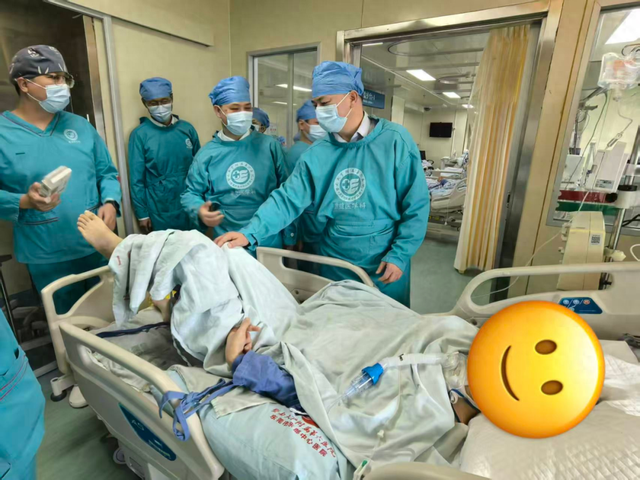
甲流退烧后骑车,孩子突发心肌损伤!医生提醒
Xin Lang Cai Jing· 2025-12-21 12:30
Core Viewpoint - The article discusses the risks of myocarditis following influenza, particularly in children and young adults, emphasizing the importance of awareness and early intervention after viral infections [1][2][5]. Group 1: Myocarditis Overview - Myocarditis can result from viral infections, with symptoms including elevated cardiac enzyme levels and potential heart function decline [1][3]. - The condition typically progresses through two phases: the "inflammatory storm" phase during the initial infection and the "immune phase" post-fever, where the body’s immune response may inadvertently damage heart tissue [3][5]. Group 2: Symptoms and Diagnosis - Symptoms indicating potential myocarditis include frequent palpitations, fatigue, shortness of breath, and decreased exercise tolerance, especially following a recent viral illness [8]. - Cardiac enzyme levels are critical for diagnosis, with normal levels being below 24 units per liter; levels above this indicate varying degrees of myocardial damage [4][6]. Group 3: At-Risk Populations - Children, young adults aged 16 to 40, and individuals with weakened immune systems are particularly susceptible to myocarditis [6]. - Many influenza patients may unknowingly have mild myocarditis, which can worsen with physical exertion, leading to severe complications [6][8]. Group 4: Prevention and Management - Myocarditis is generally self-limiting, but early detection and treatment are crucial to prevent irreversible damage and potential progression to chronic heart failure [9]. - Key preventive measures include adequate rest, enhancing immune resistance through proper nutrition, and timely medical intervention during viral infections [9].
退烧≠远离心肌炎 这类人群需警惕
Xin Lang Cai Jing· 2025-12-20 08:46
Core Viewpoint - The article discusses the risks and implications of myocarditis, particularly in children and young adults, following viral infections such as influenza. It emphasizes the importance of awareness and early detection to prevent severe complications. Group 1: Myocarditis Overview - Myocarditis is a consequence of myocarditis, characterized by elevated myocardial enzymes, abnormal heart rates, and decreased heart function observed through ultrasound [1][5][8] - Viral infections can lead to myocarditis due to the immature immune systems in children, which may not adequately respond to viral invasions [3][10] Group 2: Disease Progression - The progression of myocarditis typically involves two phases: the "inflammatory storm" during the initial viral infection and the "immune phase" post-fever, where the body’s immune response may inadvertently attack the heart muscle [6][8] - The natural course of viral infections can last about a week, but myocarditis can develop even after fever subsides, indicating ongoing damage [5][6] Group 3: Symptoms and Detection - Symptoms indicating potential myocarditis include palpitations, fatigue, shortness of breath, and decreased exercise tolerance, often following a recent viral infection [12][14] - Early signs of myocarditis may be subtle, and patients should seek medical attention if they experience persistent fatigue or respiratory difficulties after a viral illness [14][15] Group 4: Prevention and Treatment - Myocarditis is generally self-limiting, but early detection and treatment are crucial to prevent irreversible damage and progression to chronic heart failure [15][17] - Recommendations for prevention include adequate rest, enhancing immune function through proper nutrition, and timely medical intervention during viral infections [15][17]

如何避免感冒诱发心肌炎?哪些人群易发?如何预防?听听医生怎么说→
Yang Shi Wang· 2025-12-20 08:25
Core Viewpoint - The article discusses the risks of myocarditis following viral infections, particularly in children and young adults, emphasizing the importance of early detection and treatment to prevent severe complications. Group 1: Myocarditis Overview - Myocarditis is a consequence of myocarditis, characterized by elevated myocardial enzymes, abnormal heart rates, and decreased heart function in severe cases [1][12] - Viral infections can lead to myocarditis due to the immature immune systems in children, which may allow viruses to invade the myocardium [5][13] - The natural course of viral infections typically lasts about a week, but myocarditis can develop even after fever subsides [7] Group 2: Stages of Myocarditis - Myocarditis progresses through two stages: an "inflammatory storm" during the initial infection and an "immune phase" post-fever, where the body may mistakenly attack its own heart tissue [8] - The immune response can cause more severe damage than the initial viral infection, leading to potential complications [8][21] Group 3: Symptoms and Detection - Symptoms of myocarditis may include palpitations, fatigue, shortness of breath, and chest discomfort, especially after a viral infection [20][21] - Early signs can be mistaken for common cold symptoms, making it crucial to seek medical attention if symptoms persist [20][21] Group 4: Risk Factors and Vulnerable Populations - Children, young adults aged 16 to 40, and individuals with weakened immune systems are at higher risk for developing myocarditis [15][19] - Those with autoimmune diseases or high-stress lifestyles are also more susceptible to severe myocarditis [13][15] Group 5: Prevention and Treatment - Prevention strategies include adequate rest, a balanced diet, and timely medical intervention during viral infections [23] - Myocarditis can be self-limiting but may lead to chronic heart failure if not treated promptly, highlighting the need for early detection and management [21][23]
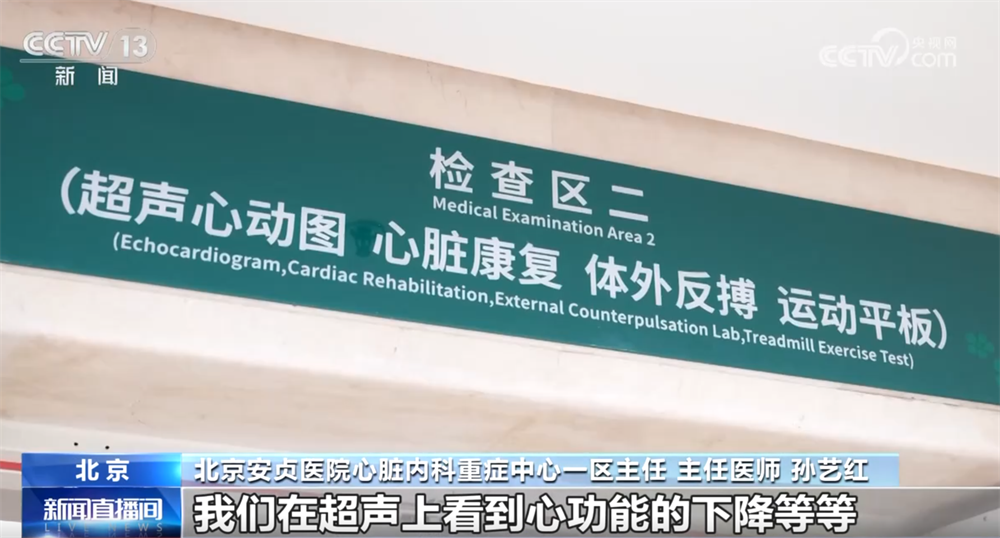
感冒、发烧后千万别做这种事!严重会猝死
Yang Shi Xin Wen· 2025-11-05 02:05
Group 1 - The article emphasizes the importance of avoiding strenuous exercise after catching a cold, as it may lead to serious health issues like viral myocarditis [3][11] - Symptoms of myocarditis include fever, body aches, and respiratory difficulties, which can escalate to heart-related issues if exercise is resumed too soon [5][11] - Viral myocarditis is primarily caused by viral infections, which are more prevalent during certain periods, highlighting the need for preventive measures against viruses [9][10] Group 2 - Recommendations for preventing viral infections include wearing masks in crowded places, maintaining hygiene during meals, avoiding overexertion, eating a balanced diet, and staying warm [10] - The article suggests a "neck rule" for determining exercise suitability during a cold, where symptoms above the neck may allow for light exercise, while symptoms below the neck warrant rest [13] - Overall, the article advocates for rest and recovery during illness rather than immediate physical activity, stressing that exercise should be a regular practice rather than a last-minute effort [13]

嗓子疼是感冒警报?做对这些事阻断病毒
Yang Shi Xin Wen· 2025-11-02 20:10
Core Viewpoint - The article discusses the onset of cold symptoms, particularly sore throat, as a signal of the immune system's response to viral infection rather than the beginning of the illness itself [6]. Group 1: Understanding Sore Throat and Immune Response - Sore throat is often the first symptom of a cold, indicating that the immune system is attacking the virus [6]. - When viruses invade throat cells, they trigger a response from the immune system, which sends immune cells to the site of infection and releases inflammatory mediators that cause pain [3][6]. - The immune response can lead to additional symptoms such as nasal congestion and fever, especially in young children whose immune systems are still developing [3][6]. Group 2: Prevention of Colds - Common remedies like vitamin C and various juices do not effectively prevent or shorten the duration of colds; they primarily provide symptomatic relief [7]. - Effective prevention methods include: 1. Frequent hand washing to eliminate viruses from hands [8]. 2. Wearing masks in crowded or poorly ventilated spaces to block virus transmission [9]. 3. Ensuring proper ventilation in indoor spaces to dilute airborne viruses [10]. 4. Vaccination against specific pathogens that cause respiratory symptoms, such as the flu vaccine [11]. Group 3: Relief Measures for Sore Throat - While immediate relief from sore throat is not possible, several methods can provide comfort: - Drinking warm or cold beverages, such as tea with honey or lemon [12]. - Consuming cold desserts like ice cream [13]. - Sucking on hard candies for older children [14]. - Gargling with warm salt water for children aged six and above [15].
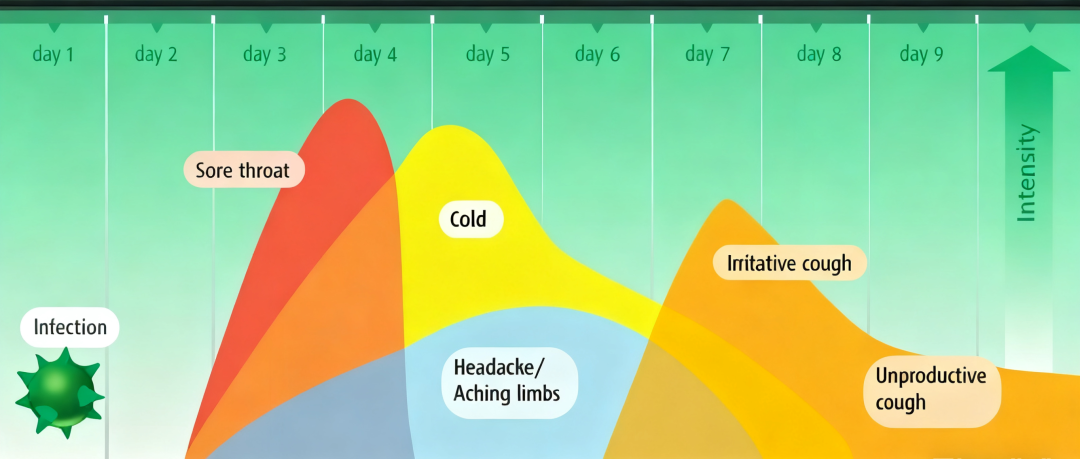
被误以为是感冒后女童不幸离世 致命的暴发性心肌炎是什么
Yang Shi Xin Wen· 2025-07-30 00:54
Core Points - A recent case in Henan involved a 2-year-old girl who initially showed symptoms similar to a common cold, but tragically passed away from fulminant myocarditis after her condition rapidly deteriorated [1] - Four days later, her 4-year-old brother exhibited similar symptoms and is currently in ICU after falling into a coma [1] Group 1: Understanding Fulminant Myocarditis - Fulminant myocarditis is a severe form of myocarditis characterized by rapid onset and progression, potentially leading to cardiogenic shock or sudden death [2] - Early symptoms can be misleading, resembling a common cold, but can quickly escalate to heart failure or severe arrhythmias, affecting multiple organ functions [2] Group 2: Causes of Fulminant Myocarditis - Viral infections are the primary infectious cause, with coxsackievirus, echovirus, influenza virus, and adenovirus identified as major pathogens [3] - Bacterial and parasitic infections, while less common, can also lead to the condition [5] - Non-infectious factors include autoimmune diseases, allergic reactions, toxin exposure, genetic predispositions, and unhealthy lifestyle habits [6][7][9] Group 3: Symptoms in Children - Common symptoms in children include difficulty breathing, palpitations, chest pain, fatigue, cough, fever, nausea, and dizziness [11] - Parents should be vigilant for multiple or persistent symptoms and seek medical attention promptly [13] Group 4: Prevention and Care for Children - Strengthening the child's immune system through regular routines and outdoor activities is essential [13] - Avoiding public places during flu season and maintaining distance from sick individuals can reduce infection risk [14] - Vaccination against influenza is recommended when possible [15] Group 5: Management of Myocarditis in Children - Close monitoring of symptoms and regular medical check-ups are crucial for diagnosed children [16] - Adequate rest and activity control are necessary during acute phases [17] - Medication may include antiviral, anti-inflammatory, or diuretic drugs, with strict adherence to medical guidance [19] - A balanced diet is important for recovery, with attention to salt and sugar intake [21] - Psychological support for both the child and family is vital during treatment [21]