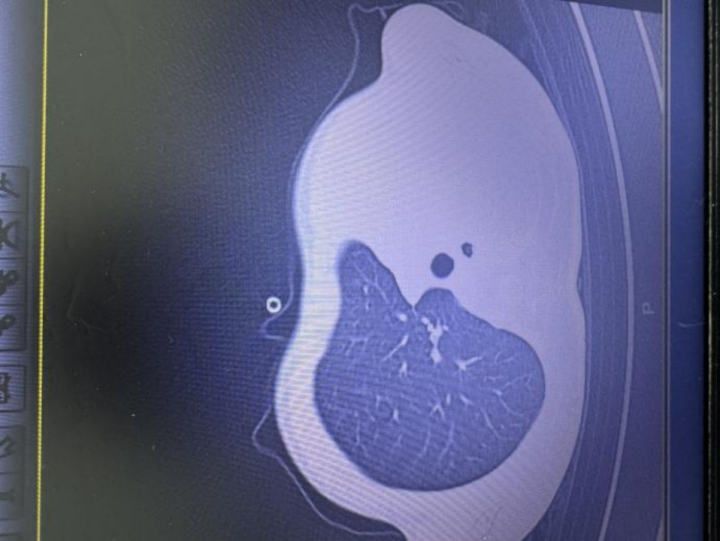
白肺

Search documents
早上发烧,晚上就“白肺”了!男孩因流感进ICU!这些重症先兆要留意
Xin Lang Cai Jing· 2025-12-25 17:23
Core Viewpoint - The article highlights the rapid deterioration of an 11-year-old boy's health due to influenza, leading to severe respiratory issues and hospitalization in the ICU, emphasizing the importance of recognizing early warning signs of serious respiratory infections [1][3][5]. Group 1: Case Summary - The boy, referred to as Xiao Yu, initially presented with a fever of 38.9°C and mild cough, which progressed to severe symptoms within a day, including chest pain and difficulty breathing [3]. - Upon arrival at the hospital, chest X-rays revealed "white lung" conditions, indicating severe lung infection, and he was admitted to the Pediatric Intensive Care Unit (PICU) [5]. - During his 10-day ICU stay, Xiao Yu underwent five bronchoscopies to clear mucus plugs and necrotic tissue, receiving treatment for infection and inflammation before being transferred to a regular ward [5]. Group 2: Understanding "White Lung" - "White lung" is not a specific disease but an imaging term indicating significant lung consolidation or exudation, commonly seen in severe pneumonia and Acute Respiratory Distress Syndrome (ARDS) [8]. - The condition can be misleading as it is often mistaken for direct viral damage, while the actual danger lies in the body's excessive immune response, known as a "cytokine storm," which causes widespread lung damage [8]. Group 3: Warning Signs for Immediate Medical Attention - The article lists five critical warning signs that should prompt immediate medical attention: persistent high fever over 48 hours, worsening shortness of breath, severe cough with discolored sputum, neurological symptoms like confusion, and cyanosis [9]. - These symptoms may indicate that lung inflammation is spreading and could lead to oxygenation issues, necessitating prompt intervention [9]. Group 4: At-Risk Populations - Besides the elderly and those with chronic illnesses, specific groups should be particularly cautious, including individuals with pre-existing lung conditions, immune system abnormalities, obesity, fatigue, and those living in low-oxygen environments [10].

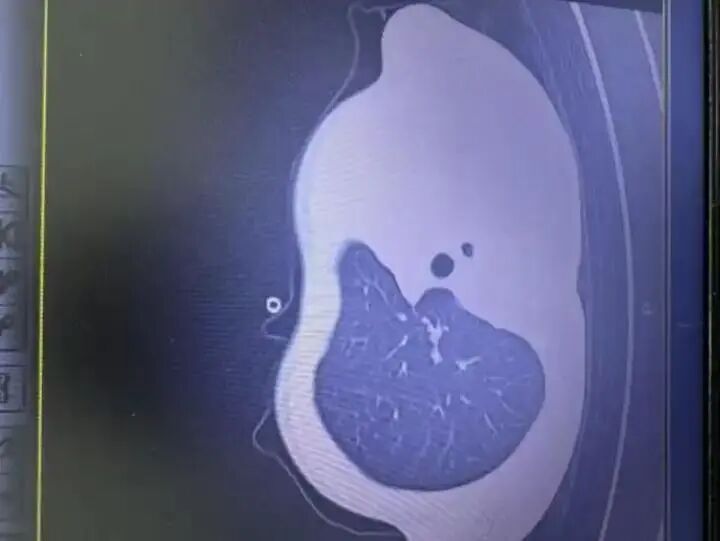
发热一天就病危!11岁男孩肺里长出“死亡树杈”
Xin Lang Cai Jing· 2025-12-20 08:46
Core Viewpoint - The article highlights a severe case of influenza in an 11-year-old boy, which escalated rapidly to critical condition, emphasizing the dangers of flu and the importance of timely medical intervention [1][3][8]. Group 1: Case Summary - An 11-year-old boy, referred to as Xiao Yu, developed a high fever and mild cough on December 1, which worsened dramatically within a day, leading to severe respiratory distress and hospitalization [1][2]. - Upon arrival at the hospital, tests revealed significant inflammation and nearly complete loss of function in the left lung, indicating a critical condition known as "white lung" [3][5]. - The boy was diagnosed with severe pneumonia caused by influenza combined with bacterial infection, necessitating immediate intensive care and multiple medical procedures [5][7]. Group 2: Medical Treatment and Recovery - During his 10-day stay in the ICU, the boy underwent five bronchoscopies to clear thick mucus plugs and dead tissue from his airways, along with treatments for infection and inflammation [7][8]. - He was eventually weaned off the ventilator and transferred to a regular ward, showing signs of recovery, although his family remains shaken by the rapid progression of his illness [7][8]. Group 3: Medical Advice and Drug Use - Medical professionals warn that influenza is not a common cold and can lead to severe complications like "white lung," highlighting the need for awareness among parents [8][10]. - The article discusses the use of antiviral medications like Oseltamivir, emphasizing that it should only be taken under medical supervision due to potential side effects and the risk of drug resistance [11][12][13]. - It is advised that parents should seek medical attention for young children with flu symptoms rather than self-medicating, as antiviral drugs do not alleviate existing symptoms and should be used cautiously [14][15].