细胞因子风暴

Search documents
早上发烧,晚上就“白肺”了!男孩因流感进ICU!这些重症先兆要留意
Xin Lang Cai Jing· 2025-12-25 17:23
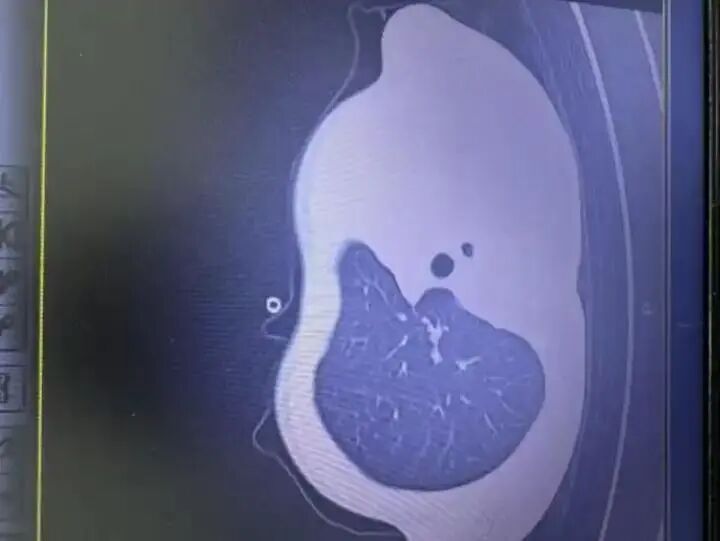
Core Viewpoint - The article highlights the rapid deterioration of an 11-year-old boy's health due to influenza, leading to severe respiratory issues and hospitalization in the ICU, emphasizing the importance of recognizing early warning signs of serious respiratory infections [1][3][5]. Group 1: Case Summary - The boy, referred to as Xiao Yu, initially presented with a fever of 38.9°C and mild cough, which progressed to severe symptoms within a day, including chest pain and difficulty breathing [3]. - Upon arrival at the hospital, chest X-rays revealed "white lung" conditions, indicating severe lung infection, and he was admitted to the Pediatric Intensive Care Unit (PICU) [5]. - During his 10-day ICU stay, Xiao Yu underwent five bronchoscopies to clear mucus plugs and necrotic tissue, receiving treatment for infection and inflammation before being transferred to a regular ward [5]. Group 2: Understanding "White Lung" - "White lung" is not a specific disease but an imaging term indicating significant lung consolidation or exudation, commonly seen in severe pneumonia and Acute Respiratory Distress Syndrome (ARDS) [8]. - The condition can be misleading as it is often mistaken for direct viral damage, while the actual danger lies in the body's excessive immune response, known as a "cytokine storm," which causes widespread lung damage [8]. Group 3: Warning Signs for Immediate Medical Attention - The article lists five critical warning signs that should prompt immediate medical attention: persistent high fever over 48 hours, worsening shortness of breath, severe cough with discolored sputum, neurological symptoms like confusion, and cyanosis [9]. - These symptoms may indicate that lung inflammation is spreading and could lead to oxygenation issues, necessitating prompt intervention [9]. Group 4: At-Risk Populations - Besides the elderly and those with chronic illnesses, specific groups should be particularly cautious, including individuals with pre-existing lung conditions, immune system abnormalities, obesity, fatigue, and those living in low-oxygen environments [10].

SeaStar Medical Holding (ICU) FY Conference Transcript
2025-09-05 12:00
SeaStar Medical Holding (ICU) FY Conference Summary Company Overview - **Company Name**: SeaStar Medical Holding - **Ticker Symbol**: ICU (NASDAQ) - **Focus**: Development of QUELIMMUNE Selective Cytopheretic Device for immune-related renal injuries, particularly in critically ill patients facing organ failure [1][2] Core Points and Arguments - **Technology and Approval**: QUELIMMUNE is FDA approved for treating acute kidney injury with sepsis in children under a humanitarian device exemption in 2024 [2][3] - **Market Potential**: - Pediatric AKI market is valued at approximately $100 million with around 4,000 patients in the U.S. - Adult AKI market is significantly larger, with over 200,000 patients annually, representing a market potential of around $4.5 billion [5][18] - **Clinical Studies**: - Pivotal study (NEUTRALIZE-AKI) is currently 60% enrolled, targeting multiple adult indications under breakthrough device designation [4][3] - Clinical data shows a 77% survival rate in pediatric patients treated with QUELIMMUNE, with no patients requiring dialysis after 60 days [12][11] - **Mechanism of Action**: The device targets activated neutrophils and monocytes to quell hyperinflammation without immunosuppression, effectively reducing cytokine storms [8][9][10] Pipeline and Future Indications - **Current Pipeline**: Focus on both pediatric and adult indications, including end-stage renal disease, chronic dialysis, and cardiorenal conditions [4][3] - **Future Studies**: A pivotal randomized controlled study is ongoing for adults, with a primary endpoint of all-cause mortality and dialysis dependency [19][22] Economic Impact and Health Economics - **Cost Savings**: The use of QUELIMMUNE in pediatric patients resulted in a median hospital stay reduction of about 3 days, leading to cost savings for hospitals [16] - **Reimbursement**: The trial has CMS reimbursement, indicating support for the economic viability of the treatment [20] Strategic Focus - **Target Hospitals**: Strategy to focus on the top 50 children's hospitals in the U.S., where 50% of acute kidney injury patients are treated [14] - **Sales and Distribution**: Control over sales and distribution to enhance customer experience and reduce costs [16] Financial Overview - **Market Capitalization**: As of August 12, the stock price was $0.73 with approximately 28 million shares outstanding [23] - **Recent Capital Raise**: Raised around $8.6 million in July 2025 to support ongoing initiatives [24] Conclusion - **Investment Opportunity**: SeaStar Medical presents a best-in-class technology with significant market potential in both pediatric and adult AKI, backed by promising clinical results and a clear strategic focus on commercialization and expansion [25]

一个缺觉的人,全身炎症水平都在升高!缓解方法→
Yang Shi Xin Wen· 2025-08-13 13:50
Core Viewpoint - Sleep deprivation activates the body's inflammatory response, leading to cognitive impairment and increased risk of various diseases [2][3][6]. Group 1: Impact of Sleep Deprivation - A study involving 2,641 participants found that sleeping less than 6 hours triggers systemic inflammation and increases the risk of cognitive impairment [3]. - Sleep deprivation causes a series of inflammatory responses in the brain, releasing pro-inflammatory factors that adversely affect neurons and cognitive functions [3]. - Chronic sleep deprivation leads to oxidative stress and cellular damage, further exacerbating cognitive decline [3][6]. Group 2: Health Risks Associated with Sleep Deprivation - Insufficient sleep and chronic inflammation are linked to various diseases, including metabolic disorders, cancer, and mental health issues [6]. - Research indicates that sleeping less than 6 hours per night for a week can negatively impact metabolism, inflammation, immunity, and stress response [6]. - Prolonged sleep deprivation keeps the body in a state of stress, lowering immune function and increasing disease risk [6]. Group 3: Recommendations for Mitigating Damage - Adults typically need 7-8 hours of sleep per night, while older adults may require 5-7 hours [11]. - To combat sleep deprivation, lifestyle adjustments and medical interventions are recommended, such as increasing sunlight exposure and regular exercise [13]. - A balanced diet rich in anti-inflammatory foods, such as whole grains, deep-sea fish, cruciferous vegetables, and berries, can help reduce inflammation [14][15].