监管智能化

Search documents
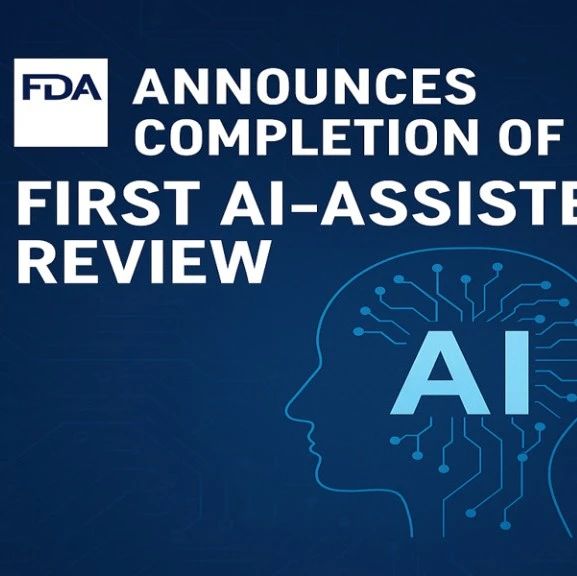
FDA全面接入AI,监管走进深水区
思宇MedTech· 2025-05-21 08:16
Core Viewpoint - The FDA is implementing a comprehensive generative AI system across its organization by June 2025, marking a significant shift towards regulatory intelligence and efficiency in drug review processes [3][4][21]. Group 1: FDA's AI Implementation - The FDA's Director, Martin Makary, announced that all regulatory centers must fully integrate the generative AI system by June 30, 2025, to assist in various review tasks, significantly improving efficiency [3][4]. - This initiative is led by the newly appointed Chief AI Officer, Jeremy Walsh, who aims to create a unified, secure AI system embedded within the FDA's data platform, moving beyond simple AI tools to a more integrated operational model [4][9]. - The FDA's previous pilot projects demonstrated that AI could drastically reduce review times, with one expert noting that tasks that took three days could now be completed in minutes [3][8]. Group 2: Historical Context and Strategic Direction - The FDA's journey with AI began in 2021 with the "Digital Health Technologies Plan," which aimed to incorporate AI/ML into its regulatory modernization strategy [6][8]. - In January 2023, the FDA released the "Artificial Intelligence/Machine Learning (AI/ML)-Based Software as a Medical Device Action Plan," transitioning AI from an evaluation subject to an internal capability to enhance review efficiency [6][8]. Group 3: Global Comparison and Regulatory Landscape - The FDA is the first major regulatory body to set a clear timeline for a comprehensive AI rollout, supported by its long-term data governance and modernization efforts [12][18]. - Other global regulatory bodies, such as the EMA and Japan's PMDA, are still in exploratory phases, focusing on ethical considerations and small-scale trials, while China's NMPA has made significant progress in AI medical device approvals but is still in early stages of integrating AI into internal processes [16][19]. Group 4: Implications for the Industry - The FDA's transition signals three key implications for the industry: a potential restructuring of R&D timelines due to faster review processes, an increased emphasis on data quality for AI processing, and a more informed regulatory approach as regulators adopt AI tools themselves [18][19]. - Companies are encouraged to prepare structured and standardized submission materials to facilitate AI involvement in initial reviews, enhancing data consistency and quality [22].

两会丨专访全国人大代表、北京证监局局长贾文勤:推动资本市场助力科技型企业做优做强
证券时报· 2025-03-06 13:44
Core Viewpoint - The article emphasizes the importance of capital markets in supporting technological innovation and enhancing the quality of listed companies in China, particularly in the Beijing jurisdiction, as articulated by Jia Wenqin, the Director of the Beijing Securities Regulatory Bureau [1]. Group 1: Support for Technology Enterprises - The Beijing Securities Regulatory Bureau plans to support qualified technology enterprises in issuing and listing, with a focus on enhancing the financing environment for strategic emerging industries [3][4]. - In 2024, 9 out of 14 companies listed in the Beijing jurisdiction on A-shares and Hong Kong stocks belong to strategic emerging industries, highlighting a targeted approach to support technology-driven growth [3][4]. - The bureau aims to facilitate the issuance of 174 technology innovation bonds, raising 215.5 billion yuan, to bolster financing for technology enterprises [3][4]. Group 2: Enhancing Company Quality and Investment Value - Initiatives will be undertaken to improve the quality and investment value of technology enterprises, including training on mergers and acquisitions and creating platforms for collaboration among various stakeholders [4][7]. - The bureau will promote the establishment of a government-guided fund worth billions to invest in sectors like artificial intelligence and robotics, enhancing the market ecosystem for technology enterprises [4][5]. Group 3: Regulatory Capacity Building - The Beijing Securities Regulatory Bureau is committed to strengthening its regulatory capabilities through improved governance, system enhancements, and the integration of technology in regulatory practices [9]. - The bureau plans to explore the application of artificial intelligence and other new technologies to enhance regulatory intelligence and efficiency [9]. Group 4: Ongoing Engagement with Listed Companies - A mechanism for regular engagement with listed companies will be established, with plans to visit 142 companies in 2024 to address their concerns and promote policy awareness [12][13]. - The bureau has successfully resolved over 80% of the 179 issues raised by companies, demonstrating a proactive approach to supporting the business environment [12][13]. - Efforts will continue to enhance market value management among listed companies, with significant increases in share buyback plans and dividend distributions [12][13].