监管沙箱

Search documents
深化制度型开放与协同,为国际金融中心建设注入新动能
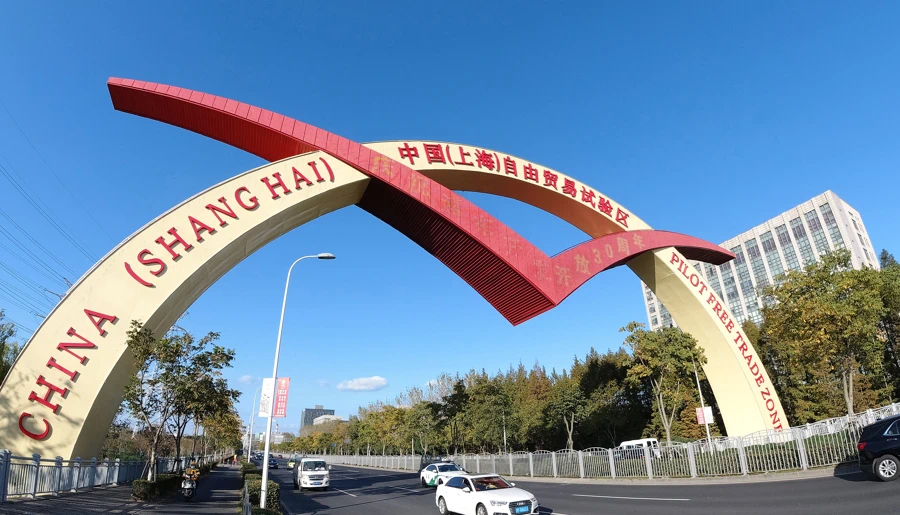
Di Yi Cai Jing· 2026-01-20 11:09
Core Viewpoint - The construction of Shanghai as an international financial center has transitioned from a "scale expansion" phase to a "functional upgrade" phase, with a focus on enhancing its competitiveness and influence in the global financial landscape [1][7]. Group 1: Strategic Goals - The "14th Five-Year Plan" emphasizes the establishment of a global RMB asset allocation center and risk management center, highlighting the importance of deepening the interconnection between domestic and international financial markets [1][2]. - The plan includes the establishment of the Shanghai International Financial Asset Trading Platform to enrich RMB-denominated financial products and promote RMB internationalization [1][2]. Group 2: Institutional and Functional Enhancements - A key focus is on deepening institutional openness to enhance internationalization, addressing the current bottleneck of insufficient international functions [2][4]. - The plan proposes optimizing the offshore account system and promoting offshore credit and free trade offshore bond development, requiring pilot offshore financial special laws to stabilize market expectations [2][4]. Group 3: Financial Technology and Innovation - The plan prioritizes strengthening the core position of financial technology, with a focus on developing fintech and green finance, and exploring flexible regulatory sandbox mechanisms [3][5]. - It aims to integrate financial services with technology enterprises, providing comprehensive financial services throughout their lifecycle [3][5]. Group 4: Collaborative Development of the "Five Centers" - The "Five Centers" (financial, trade, shipping, technology, and cultural) need to work synergistically to break down functional barriers and achieve collaborative effects [5][6]. - The plan emphasizes the need for policy coordination and resource sharing to enhance the scale of technology finance and guide capital towards cutting-edge fields like AI and biomedicine [5][6]. Group 5: Global Resource Allocation and Risk Management - Shanghai aims to shift from scale expansion to functional upgrades, enhancing its pricing power and rule-making authority in global markets [6][7]. - The plan includes building a robust risk prevention system, utilizing technologies like blockchain for financial risk identification and management [6][7].
上海国资委学习稳定币,透露什么信息?
Mei Ri Jing Ji Xin Wen· 2025-07-14 13:36
Core Viewpoint - The recent discussions around stablecoins have intensified, particularly following the mention by the central bank governor at the Lujiazui Forum, leading to increased attention from various cities in China, especially Shanghai [1][2]. Group 1: Government and Institutional Interest - Over the past month, more than five cities have mentioned stablecoins, with Shanghai, Wuxi, Qingdao, and Chengdu focusing on research, while Beijing and Shenzhen issued risk warnings [1]. - The Shanghai Municipal State-owned Assets Supervision and Administration Commission emphasized the need to strengthen research on digital currencies and explore blockchain applications in cross-border trade and supply chain finance [1][5]. Group 2: Shanghai's Advantages - Shanghai is positioned as a leading financial hub in China, with a concentration of blockchain resources and talent, making it a prime candidate for stablecoin trials [2][5]. - The Shanghai Free Trade Zone (FTZ) has established a regulatory framework that aligns with international trade rules, which supports the exploration of stablecoins [3][5]. Group 3: Proposed Development Models - Experts suggest that Shanghai could synchronize the development of domestic and offshore versions of the RMB stablecoin, leveraging its FT accounts for a controlled risk environment [3][6]. - The proposed model includes a 1:1 backing mechanism for the RMB stablecoin, supported by a robust regulatory framework involving asset custody and compliance checks [12]. Group 4: Market Demand and Caution - Some scholars express caution regarding the market demand for stablecoins in Shanghai, suggesting that existing financial tools sufficiently meet the needs of local businesses [8]. - The rapid global development of stablecoins, particularly those pegged to the US dollar, poses structural challenges to the RMB, necessitating proactive research and regulation [6][8]. Group 5: Regulatory Framework and Pilot Programs - Establishing a regulatory sandbox and electronic fence in the Shanghai FTZ is deemed essential for testing stablecoin-related activities [9][12]. - A proposed "1+3+N" framework aims to create a core mechanism for stablecoin issuance, supported by three regulatory pillars and multiple ecosystem participants [12]. Group 6: Broader National Interest - Other cities, such as Wuxi and Chengdu, are also exploring stablecoin applications, indicating a nationwide interest in integrating stablecoins into various sectors [13].